



Rugby Fives and Lifelong Fitness: Building Habits That Last
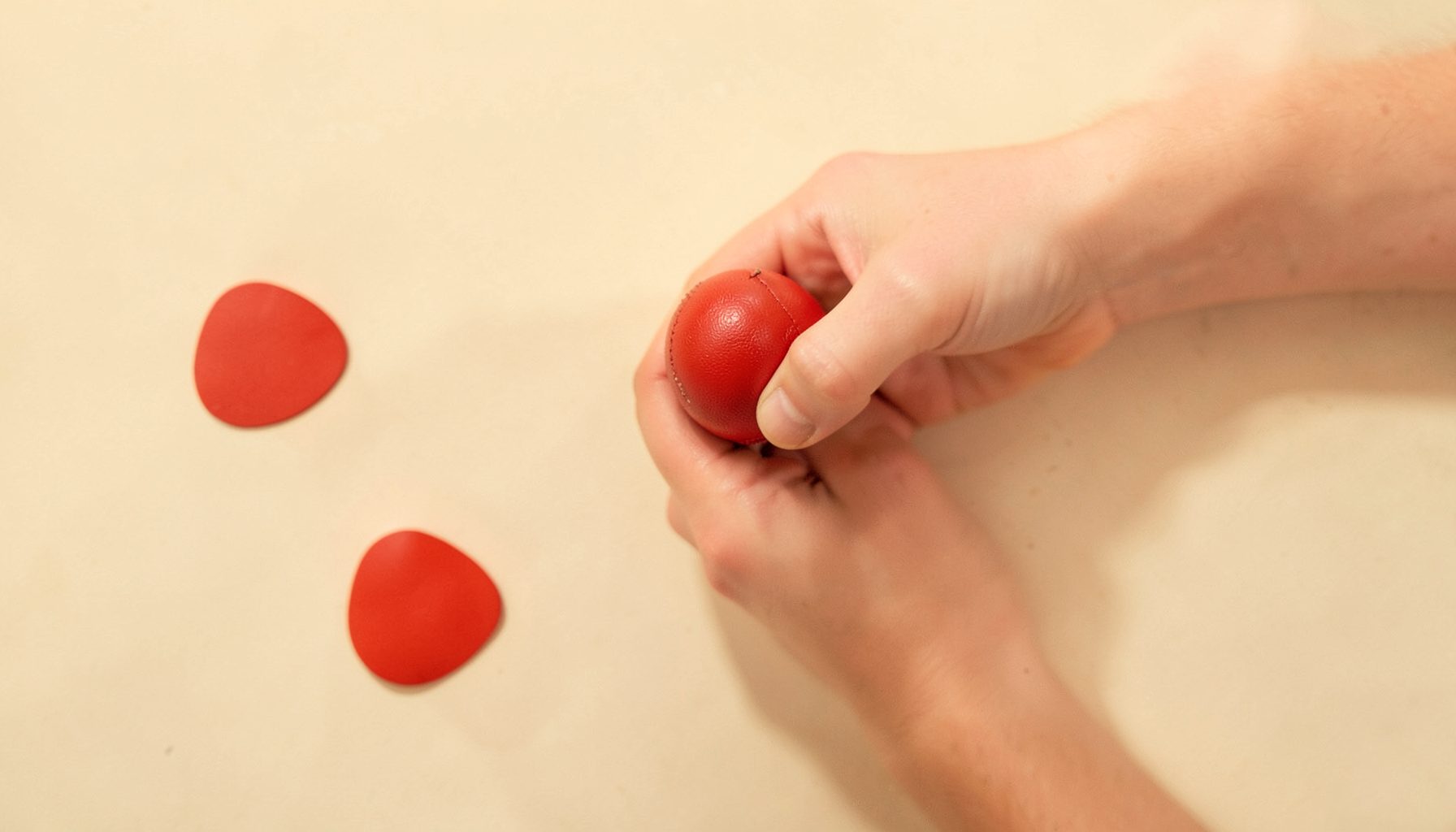
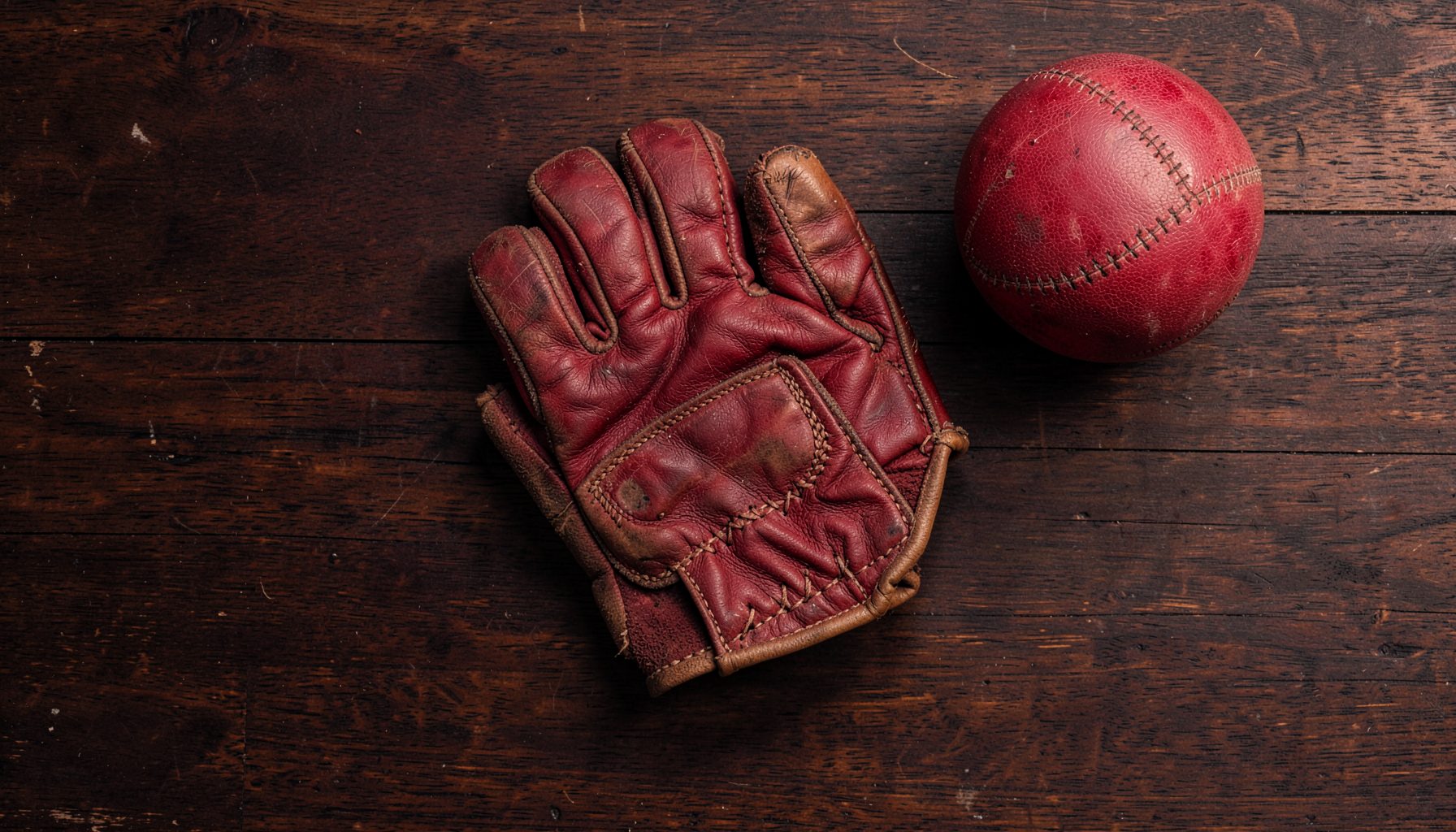
Rugby Fives traces its origins to the walls of Rugby School in England, where it has been played since the 1850s. The game uses a small, slightly softer ball than a baseball, a pair of gloves, and a four-walled court. Players strike the ball with one or both hands, aiming to make it difficult for their opponent to return.
In Australia, where weekend sport often means a long drive to a suburban oval, Rugby Fives offers a refreshing alternative. A handful of clubs have already begun popping up in Melbourne, Sydney, and Brisbane, and the compact nature of the court means it fits comfortably inside school gymnasiums, community halls, and even converted warehouse spaces in inner-city suburbs.
What makes the sport stand out is its accessibility. You do not need a team of fifteen, a paddock of grass, or expensive kit. A pair of gloves, a ball, and three other keen players are enough to get started. For Australians juggling FIFO rosters, shift work, and family drop-offs, that low barrier to entry is a quiet game changer.
The physical rewards include sharper reflexes, stronger shoulders, and a steadier heart rate, but the deeper value lies in the rhythm of showing up week after week. Regular play becomes a habit, and habits are what keep people moving into their fifties, sixties, and beyond.
A sport built for every age
Rugby Fives is unusual in that the same court and ball are used by twelve-year-olds and seventy-year-olds. The rules do not change between juniors and veterans, only the pace of the rallies. Many players in the UK association are still competing well into their eighth decade, a pattern that Australian clubs are keen to replicate.
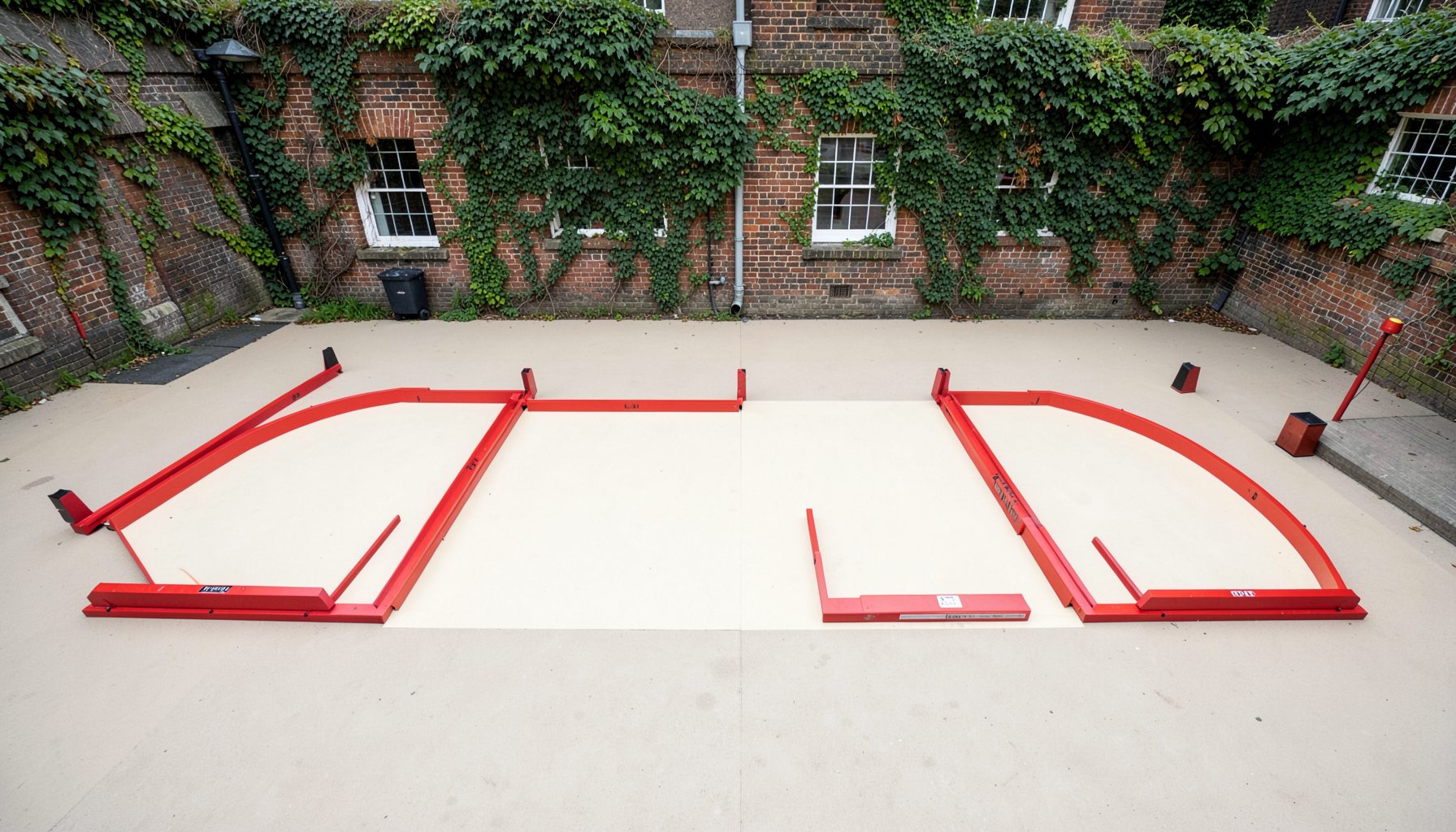
The court itself is around thirty feet long, which keeps rallies short and intense rather than long and exhausting. Players can sit down between games, chat, and recover, which makes the format particularly kind to older bodies. It also keeps the action visible for spectators, which helps draw in newcomers.
In Australia, where masters football and veterans cricket already thrive, Rugby Fives slots neatly into the existing calendar. A round-robin tournament in the morning, a barbecue at the local bowls club, and you have a full day sorted. The game's flexibility around age and ability makes it a genuine option for families who want to play together rather than apart.
| Sport | Typical Playing Area | Joint Impact | Common Age Range | Social Format |
|---|---|---|---|---|
| Rugby Fives | Small enclosed court | Low | 8 to 80 | Singles, doubles, teams |
| Touch Rugby | Open field | Medium | 10 to 55 | Teams of 6 to 14 |
| Squash | Enclosed court | High | 14 to 60 | Singles, doubles |
| Lawn Bowls | Outdoor green | Very low | 30 to 90 | Teams |
| Netball | Indoor or outdoor court | Medium | 8 to 50 | Teams |
Why coordination outlasts raw pace
Modern fitness trends tend to worship speed, but Rugby Fives rewards something more durable: hand-eye coordination. Tracking a small ball as it rebounds off three different walls demands concentration and quick decision-making, which keeps the brain as engaged as the body.
Research from Australian universities, including La Trobe in Melbourne and the University of Queensland, has long pointed to the cognitive benefits of hand sports for older adults. Players who take up such games in their forties and stick with them tend to retain better reaction times and spatial awareness than peers who stick purely to walking or gym work.
For Australian retirees in places like the Mornington Peninsula or the Sunshine Coast, Rugby Fives offers a mentally stimulating outlet that does not feel like exercise. The competitive element, the banter with teammates, and the small wins of a clever shot all contribute to the kind of engagement that keeps people coming back.
The Australian sporting landscape and where Rugby Fives fits
Australia is a country where sport is rarely far from conversation. A tradie might call out the footy scores over the fence, and the weekend is built around whatever is on the telly or at the local ground. Within that culture, Rugby Fives has quietly found small but loyal footholds.
Melbourne's inner north, particularly Brunswick and Fitzroy, has a long tradition of community halls hosting niche sports. Sydney's eastern suburbs, including Bondi and Paddington, have similar histories of indoor sport through the winter months. Brisbane's GPS schools and Perth's growing private school circuit are increasingly open to adding a fourth-wall sport to their programs.
The compact format suits the Australian climate well. While an outdoor match might be called off in a Brisbane downpour or a Perth scorcher, an indoor court stays playable year-round. Volunteers are already running social sessions in Adelaide and Hobart, often advertised with the kind of casual "give it a crack, no worries if you haven't played before" tone that locals respond to.
Schools and junior pathways Down Under
Junior participation is the lifeblood of any sport, and Rugby Fives is no exception. In the UK, schools have used the game for generations to develop hand skills, teamwork, and a love of competitive sport. Australian schools are starting to follow suit.
Several Melbourne private schools have introduced the sport as a winter option alongside football and hockey. Brisbane's Churchie and The Southport School, both steeped in rugby tradition, have shown interest in adding it to their co-curricular lists. Coaches from the UK have visited Sydney and Melbourne in recent years to run clinics and accredit local teachers.
For parents weighing up which sport to add to the family calendar, Rugby Fives offers a refreshing counterpoint. It is not a contact game, the season is short, and the equipment is modest. A school that builds two courts can host a class of thirty children at once, which is a far better use of a hall than endless laps around the oval.
Cardiovascular gains without the pounding
One of the trickier aspects of staying fit as the years pass is balancing heart health with joint health. Running is excellent for the cardiovascular system but punishing on the knees. Touch football is brilliant socially but carries its share of knocks. Rugby Fives threads a different needle.
A typical match raises the heart rate into the moderate-to-vigorous zone without the repeated ground-pounding of football codes. Players are moving, lunging, and reaching, but they are not being tackled or making long sprints on hard surfaces. The sport offers genuine aerobic conditioning in a compact package.
For Australians working with physiotherapists to manage arthritis, recovering from surgery, or simply wanting to maintain mobility into retirement, that profile is appealing. Many physio clinics in Sydney's north shore and Brisbane's inner west have begun recommending court-based hand sports as part of active rehabilitation programmes.
Community, mateship, and the local club
Australia has always understood the power of the club. From the local RSL to the surf lifesaving shed, much of community life happens in places where people gather, chat, and compete. Rugby Fives fits that template naturally.
Club sessions often carry the same spirit as a Bunnings sausage sizzle: mates, family, and a few newcomers all pitching in. Coaches volunteer their time, parents bring the kids, and someone always seems to have spare thongs in the car for after the match. The social fabric around the game is as important as the rallies themselves.
Mateship is more than a buzzword here. Players talk about the value of having a regular fixture, a reason to leave the house midweek, and a group who notice if you have been missing. That gentle accountability is one of the strongest predictors of long-term exercise adherence, and Rugby Fives delivers it almost without trying.
Building habits that outlast gym memberships
Gym memberships in Australia often go unused after the first enthusiastic month. The reason is rarely laziness; it is usually the absence of structure, fun, and accountability. Rugby Fives provides all three.
When a match is on Wednesday night at seven, with a partner waiting and a friendly rivalry at stake, attendance becomes something to protect rather than something to remember. Over a season, those protected nights add up to genuine cardiovascular fitness, stronger bones, and a sharper mind.
The sport also scales with life. A busy parent can play two quick games in an hour. A retiree can play a full afternoon. A teenager can drop in on a Sunday with mates. That adaptability is what allows fitness habits to survive job changes, relocations from Sydney to Perth, and the arrival of grandchildren. It is sport as routine, and routine as health.
If you are in Australia and curious about giving Rugby Fives a go, your first step is a simple one. Reach out to the Rugby Fives Association, find your nearest club, and turn up to a social session with a pair of gloves and a willingness to have a crack. Most clubs welcome complete beginners, and the cost of a trial session is usually the price of a coffee and a chat. Subscribe to the Association's newsletter, follow their social channels, and consider volunteering at your local school or community centre to help grow the game. Whether you are in Brunswick, Brisbane, or Bunbury, there is a court waiting and a community ready to welcome you.