



Keeping Rugby Fives History Alive Across Generations
Rugby Fives is a sport shaped by continuity. Its courts, rules, rivalries, school traditions, club fixtures, and championship stories connect present-day players with generations who played before them. Preserving that heritage means safeguarding far more than old results: it means protecting the identity and character of the game.
The Rugby Fives Association plays a central role in this work. As the UK national governing body and a registered charity, it links competition administration with education, community activity, coaching, and historical stewardship. Its network of players, clubs, schools, volunteers, and officials provides the people and knowledge needed to maintain a living record of the sport.
Historical preservation also helps Rugby Fives remain accessible. When players can discover where the game came from, how its rules developed, and which communities sustained it, they gain a stronger sense of belonging. Archives become useful tools for participation, not simply collections reserved for researchers.
Protecting Records From The Court
Fixtures, championship results, rankings, tournament programmes, and club records form the backbone of Rugby Fives history. Each result captures more than a winner and a score. Together, these records show how the sport spread between schools and clubs, how competitive standards changed, and which players influenced its development.
Maintaining accurate records requires consistent administration. Names must be checked, dates verified, venues identified, and historic competitions placed in the right context. The Association’s work with clubs and volunteers helps prevent valuable information from disappearing when long-serving organisers retire or when a school changes its sporting priorities.
A well-maintained record also gives current competitions greater meaning. Players competing in a championship can see how their performance fits within a longer tradition. Clubs can celebrate anniversaries with confidence, while researchers and families can trace connections across decades of participation.
Preserving The Stories Behind Results
Statistics provide an essential framework, but numbers cannot fully describe the culture of Rugby Fives. Personal memories reveal how players learned the sport, how schools introduced beginners, how clubs supported touring sides, and how particular courts became important meeting places. Oral history therefore has an important place beside formal archives.
Former players, coaches, referees, teachers, and volunteers can contribute recollections that might otherwise be lost. A remembered coaching method, a description of an unusual court, or an account of a long-running fixture can add depth to an official results list. These stories help explain why the sport mattered to the people who built its community.
The Association can encourage this process by creating opportunities for interviews, collecting photographs, and inviting clubs to identify historically significant material. The Rugby Fives Association website provides a natural public point for sharing information about the sport, its activities, and its continuing national network.
Keeping Rules, Places, And Traditions Visible
A sport’s history is also held in its rules. Changes to court design, playing conventions, scoring systems, equipment, and officiating practices reveal how Rugby Fives has adapted over time. Recording these developments allows future players to understand why today’s game looks and feels the way it does.
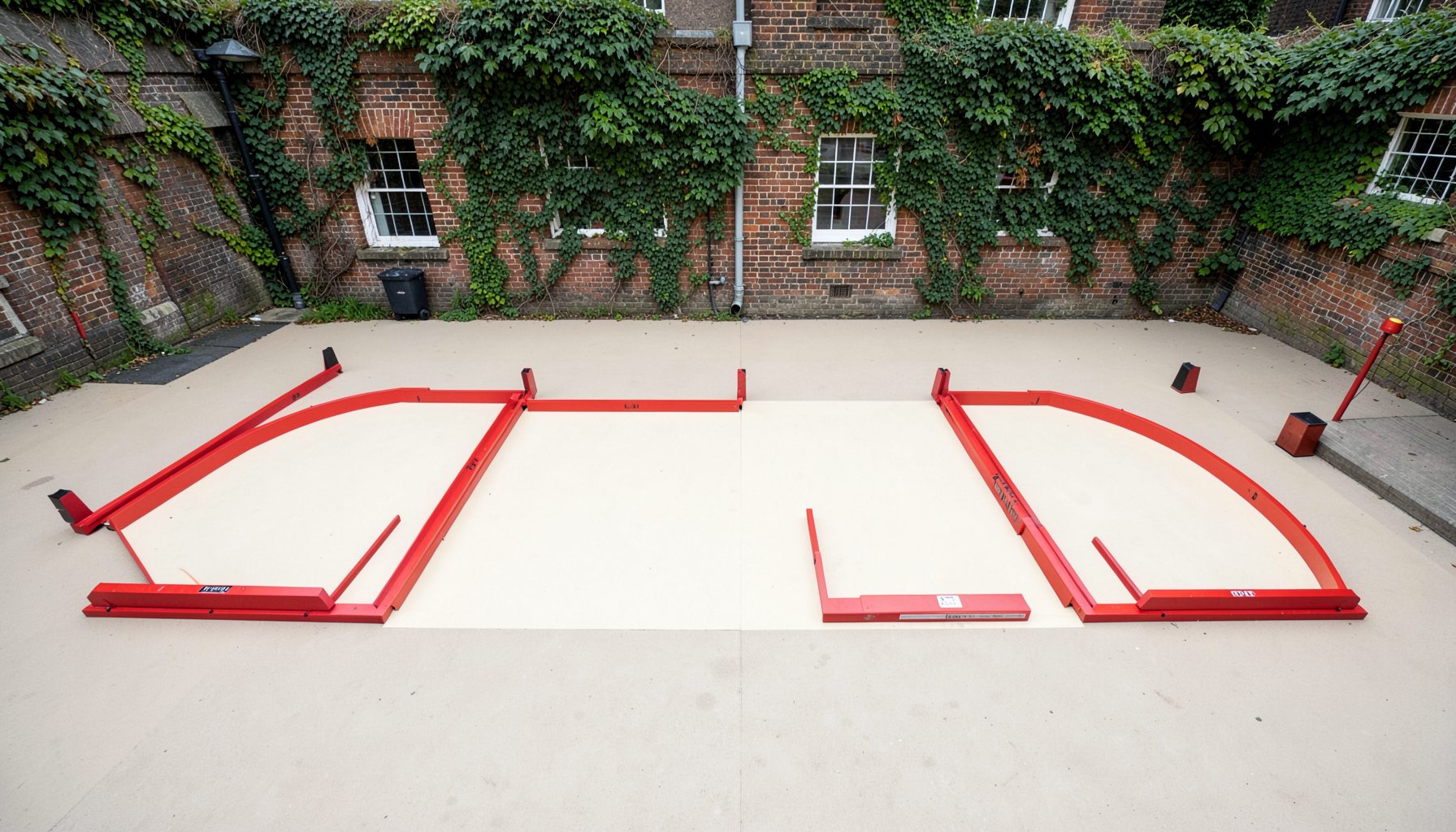
Courts themselves are part of the heritage. Some are attached to historic schools, while others represent the dedication of clubs and communities that have maintained facilities for many years. Documenting their locations, condition, architectural features, and sporting importance can support both historical awareness and practical preservation.
Traditions matter too. Annual tournaments, school fixtures, club dinners, championship ceremonies, and volunteer practices create continuity even when individual participants change. By recognising these customs, the Association helps ensure that Rugby Fives remains a community with a shared culture rather than merely a set of technical rules.
| Historical Resource | What It Preserves | Why It Matters Today |
|---|---|---|
| Match results and rankings | Competitive achievement and participation patterns | Connects current players with earlier generations |
| Photographs and programmes | Visual evidence of people, venues, and events | Makes sporting history accessible and memorable |
| Oral histories | Personal experiences and community traditions | Adds context that formal records may not capture |
| Rulebooks and guidance | Changes in playing standards and administration | Explains the development of the modern game |
| Court records | The physical geography of Rugby Fives | Highlights places that shaped local and national identity |
| School and club archives | Grassroots participation and institutional support | Shows how the sport was taught and sustained |
Connecting History With Schools And Clubs
Schools are among the most important custodians of Rugby Fives heritage. Many players first encounter the sport through physical education, school teams, or inter-school fixtures. When schools preserve team lists, photographs, trophies, and match reports, they create a bridge between early participation and adult involvement in clubs or championships.
The Association’s school programmes can support this connection by presenting history as part of learning the sport. Students may become more interested when they understand that their court or fixture has a place in a wider national story. Local research projects, archive displays, and conversations with former players can make heritage active and relevant.
Clubs provide another essential layer. They often hold informal knowledge that is not recorded elsewhere, including details of founding members, historic tours, influential coaches, and rivalries. Encouraging clubs to catalogue their collections and share selected material can build a more complete picture of Rugby Fives across the United Kingdom.
Making Heritage Accessible And Inclusive
Preservation is strongest when people can use it. Digital records, searchable results, accessible photographs, and clearly explained timelines allow players, families, journalists, teachers, and researchers to explore the sport without needing specialist knowledge. Clear organisation also helps younger participants see themselves as part of an ongoing tradition.
Inclusive history matters because sporting records can overlook people whose contributions were not always formally recognised. Players from different backgrounds, women’s competitions, junior development, disability inclusion, coaches, officials, administrators, and volunteers all deserve a place in the story. A broad archive reflects how Rugby Fives actually survives: through many kinds of contribution.
The Association’s charitable and community role gives it an opportunity to connect historical work with participation. Heritage events, open days, anniversary tournaments, coaching sessions, and archive exhibitions can bring former and current players together. These occasions transform history from something stored away into something that strengthens relationships.
Building A Reliable Heritage Archive
Preserving material for the long term requires thoughtful systems. Paper programmes and handwritten scorebooks may need careful storage, while digital files require consistent naming, backups, metadata, and permission records. A photograph without a date or names may eventually lose much of its value, so basic documentation is vital.
The Association can work with clubs, schools, libraries, and specialist archivists to establish practical standards. Contributors should know what information to provide, how images may be used, and where original materials will be kept. Clear consent and copyright processes protect contributors while making responsible publication possible.
Useful steps for clubs and schools include:
- Appointing one person to coordinate historical records and contact former members.
- Digitising fragile photographs, programmes, scorebooks, and championship documents.
- Recording names, dates, venues, competitions, and identifying details for every item.
- Collecting short interviews with former players, coaches, officials, and volunteers.
- Sharing selected records with the national archive or Association for wider access.
Turning Memory Into Future Participation
Historical preservation has practical value because it supports the sport’s future. A young player who discovers a former champion from the same school may find a new source of motivation. A club that documents its origins can attract members who want to join a community with depth and purpose. A tournament that displays its past winners can give every competitor a stronger sense of occasion.
The Association’s role is therefore both custodial and active. It protects evidence of what has happened while using that evidence to inspire coaching, competition, fundraising, outreach, and recruitment. Historical knowledge can guide decisions about which traditions to retain, which stories to recover, and how to welcome people who have not yet encountered Rugby Fives.
Everyone connected with the sport can contribute to this effort. Share an old programme, identify people in a photograph, record a memory, preserve a club fixture list, or help a school organise its sporting archive. Contact the Rugby Fives Association, take part in its activities, and help ensure that the voices, places, and achievements of Rugby Fives remain available to the next generation.