


How the Rugby Fives Association Supports Junior Clubs
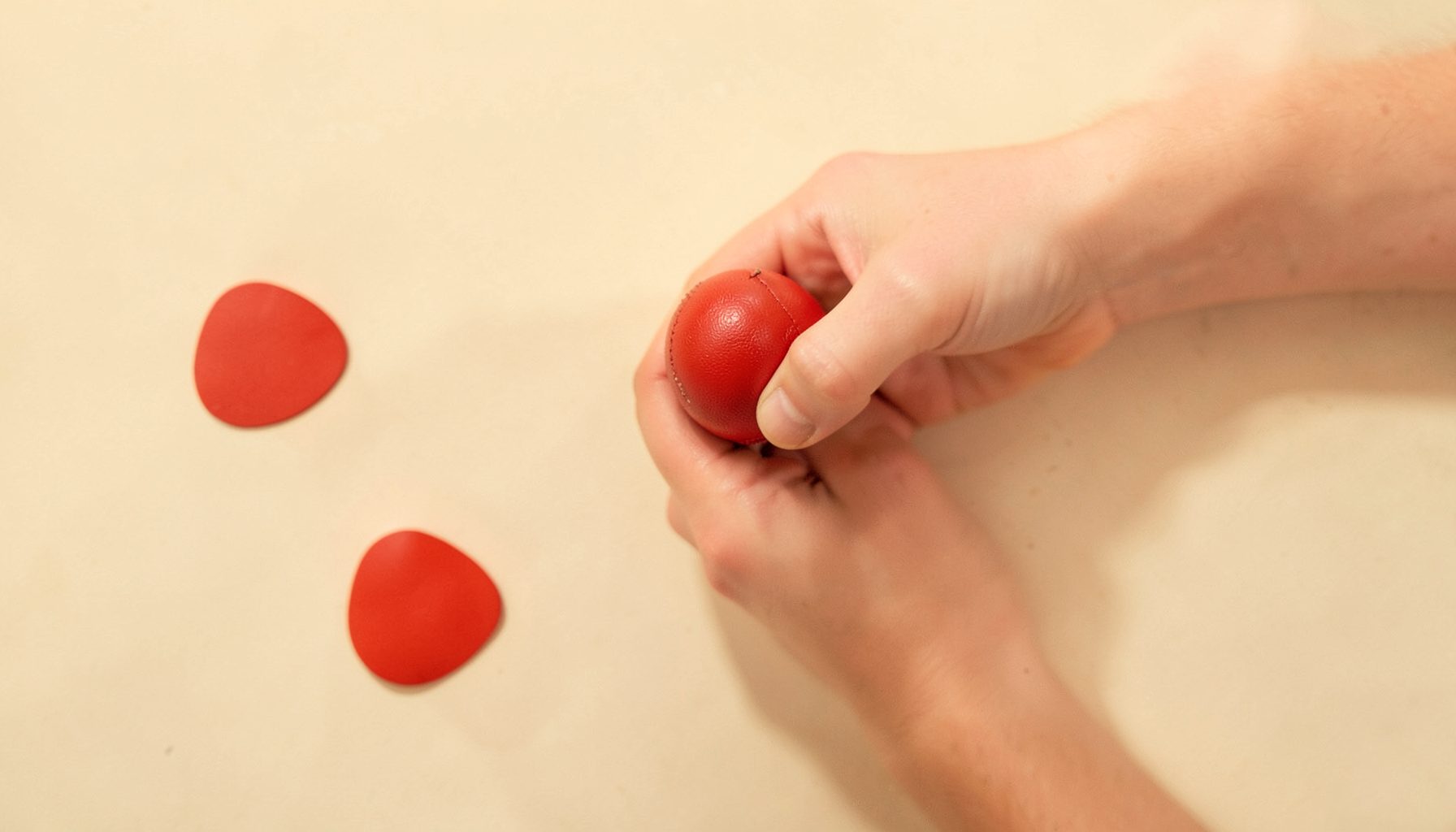
Rugby Fives sits in an unusual corner of the sporting world: a four-walled handball game played with bare hands and a small leather ball, asking for reflexes closer to squash than to the football codes that fill Australian winter weekends. For young players in Sydney, Melbourne or Brisbane, the entry point is often a converted courtyard or a heritage school court, and the work of the Rugby Fives Association quietly underpins those first rallies. As a registered charity and the recognised national governing body for the sport in the United Kingdom, the association exists to safeguard the rules, the records and the spirit of the game while lending a hand to junior clubs wherever they take root.
For families new to the sport, the association acts as a reference point: somewhere to find courts, coaches, fixtures and a written code of conduct. Its role is not to dictate how a junior club in Parramatta or Perth runs its Saturday arvo session, but to provide the scaffolding that makes those sessions viable. That means publishing the laws of the game, certifying officials, organising championships and keeping the historical record that gives the sport its continuity.
The Australian connection to Rugby Fives runs through a handful of heritage schools and a small but committed group of players who keep courts alive in the southern hemisphere. While the sport does not have the footprint of cricket or rugby league in places like the Hills District or the inner suburbs of Brisbane, it has found pockets of enthusiasm where British-style curricula have taken hold. The association's willingness to engage with these distant clubs is one of the more practical expressions of its charitable purpose.
Coaching pathways and school outreach
The association runs a formal coaching structure that junior clubs can plug into, regardless of where they are based. Coach education courses, safety modules and child-protection training are delivered centrally, which means a parent volunteer at a small club in Adelaide does not have to invent a curriculum from scratch. Sessions can be adapted for primary-aged beginners or for teenagers preparing for representative matches, with lesson plans, drill cards and assessment frameworks provided to every affiliated club.
School outreach sits at the heart of this work. The association partners with independent schools, state academies and community programmes in the UK, and the same materials travel well to Australian schools with British heritage, including The King's School in Parramatta and Melbourne Grammar. Australian schools juggle a packed fixture calendar across GPS, AAGPS and CAS competitions in winter, and the association's approach is to slot Fives in alongside rather than against those commitments. Where a head of sport wants to trial the game, the central body supplies introductory equipment packs, visiting coach contacts and a clear route into competitive play.
Equipment, courts and facility partnerships
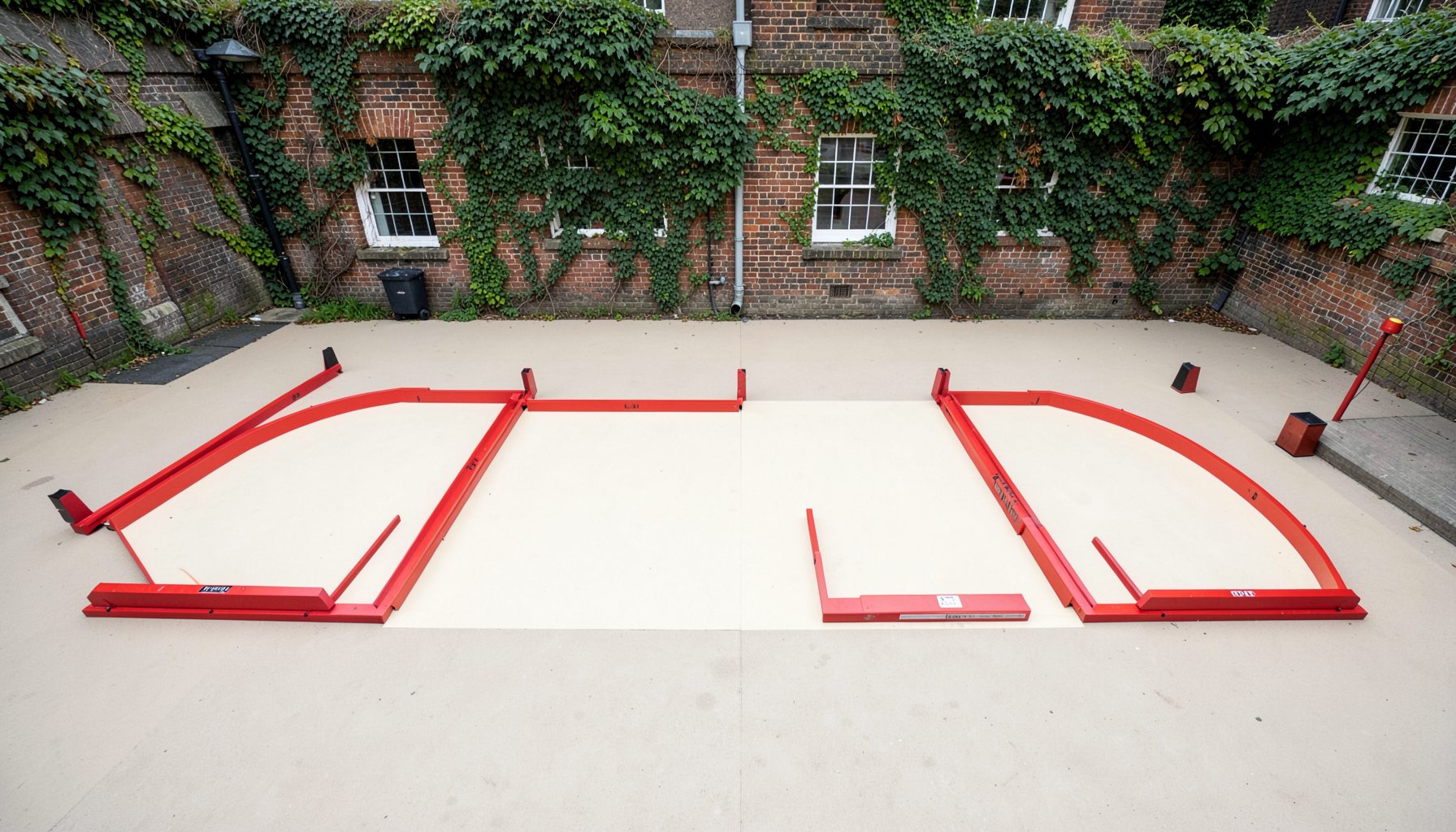
A junior club cannot function without a court, and courts are the most stubborn piece of the puzzle. The association maintains a register of playable venues and offers advice on how to mark out a temporary court, restore an old one or build a new facility within a school masterplan. For Australian clubs in cities such as Brisbane, Perth and Hobart, where dedicated Fives courts are scarce, this guidance is often the first thing a new committee seeks out.
Equipment supply runs through approved suppliers, with bulk-buy schemes and starter kits that make it affordable for a school to give the sport a genuine trial without committing to large capital outlay. The association negotiates standard pricing, which keeps the playing field level between a well-funded private school and a state school working with a tight sports budget. University campuses in the Group of Eight and regional hubs occasionally host informal sessions, often linked to alumni networks with UK ties.
Competitions and fixtures for junior players
Junior players measure their progress by matches, and the association organises a clear ladder of competitions to climb. School championships, county rounds, regional qualifiers and a national finals weekend give structure to the season in the UK. For Australian juniors, the most realistic entry point is a school or inter-school competition, but the association keeps overseas clubs within the loop, sharing fixture lists, results templates and contact details of opponents willing to travel.
The association has, in recent years, looked at how visiting teams from the southern hemisphere might take part in festival-style weekends rather than full-blown tours. A junior who travels once for a tournament, plays three days of competitive Fives and brings back video and friendships has gained something the local ladder alone cannot offer. Within Australia, inter-school fixtures remain the bedrock of competitive play, supported with official match cards, referee appointments and a results service that feeds into the wider rankings database.
Rankings, records and representative pathways
Rankings and results are recorded centrally, giving every junior player a measurable history. A young player in Sydney who wins a Saturday morning school match can see that result sit alongside matches played in Edinburgh or Cambridge, and the cumulative record travels with them into representative squads and senior club play. The association maintains this database as part of its charitable remit, treating historical continuity as a public good.
Representative pathways run through age-group trials, with national squads at under-14, under-16 and under-18 levels coordinated centrally. For an Australian junior, the route to representative honours is unusual but not impossible: several players with dual heritage have trained with UK squads, and the association's openness to international collaboration means any Australian player who reaches a credible standard can be considered.
Inclusive participation and community outreach
The Rugby Fives Association is explicit about widening access. Junior clubs are encouraged to run mixed-ability sessions, girls-only groups and outreach programmes in areas where the sport is unfamiliar. The association publishes guidance on adaptive play, inclusive coaching and safeguarding, and it backs clubs that want to take the game into state schools or community centres. In Australia, where private-school sport can feel closed to outsiders, this message lands with particular weight.
Community outreach extends to women's leagues, veterans' groups and family days where parents and children play together, with promotional materials and risk assessments supplied centrally. For a junior club in a city like Geelong or Newcastle, that support lowers the cost of running a taster event and helps convert curiosity into regular attendance.
Safeguarding and child welfare standards
Safeguarding is treated as non-negotiable. The association publishes a clear child-protection policy, runs criminal-record checks for coaches working with minors and offers a confidential reporting route for parents and players. Every affiliated junior club is expected to adopt the policy in full, and the central body provides template forms, training modules and annual refresher courses.
For Australian clubs, this framework solves a problem smaller codes often face: how to meet community expectations around child safety without reinventing the wheel. A junior club in Spring Hill or Subiaco can adopt the policy verbatim, brief its volunteers using the supplied modules and reassure parents that the same standards applied at Eton apply at their local court.
Volunteers, coaches and the long-term vision
Behind every junior club stands a small group of volunteers: a parent who organises the Saturday roster, a teacher who gives up a lunch break, an older player who runs drills. The association treats these people as the sport's most valuable asset and invests in them through volunteer recognition schemes, coach CPD workshops and an annual gathering that keeps the network connected across thousands of kilometres.
By maintaining fixtures, rankings, results and historical records year after year, the association ensures that a junior player starting the game today can trace a line back to the boys and girls who first picked up a Fives ball a century ago. That sense of continuity keeps families coming back to courts in Edinburgh, Sydney and everywhere in between.
Find your nearest affiliated junior club through the association's website, get in touch with the coaching team, and bring the kids along to a taster session this term. The site lists clubs across the UK and beyond, with contact details for school liaison officers, equipment suppliers and safeguarding leads ready to help a new generation pick up the game. No worries if your local club is small — every current fixture list started somewhere, and the association is set up to help it grow.