


Rugby Fives Rules Explained For New Players
Rugby Fives is a fast handball game played on a four-walled court. Players use their hands instead of rackets to strike a small ball against the front wall, combining quick reactions, accurate placement, and constant movement. The sport can be played in singles or doubles, although doubles is especially common in club and school competition.
The basic aim is simple: return the ball legally before it bounces twice, while forcing an opponent into an error. The details become easier once you understand the court, the serve, the front-wall target, and the way points are awarded.
Rules can vary slightly between match formats, venues, and competition regulations. Players should therefore check the regulations for a particular championship or tournament. The principles below provide a practical starting point for anyone attending a coaching session, club night, or first fixture.
The Court And Equipment
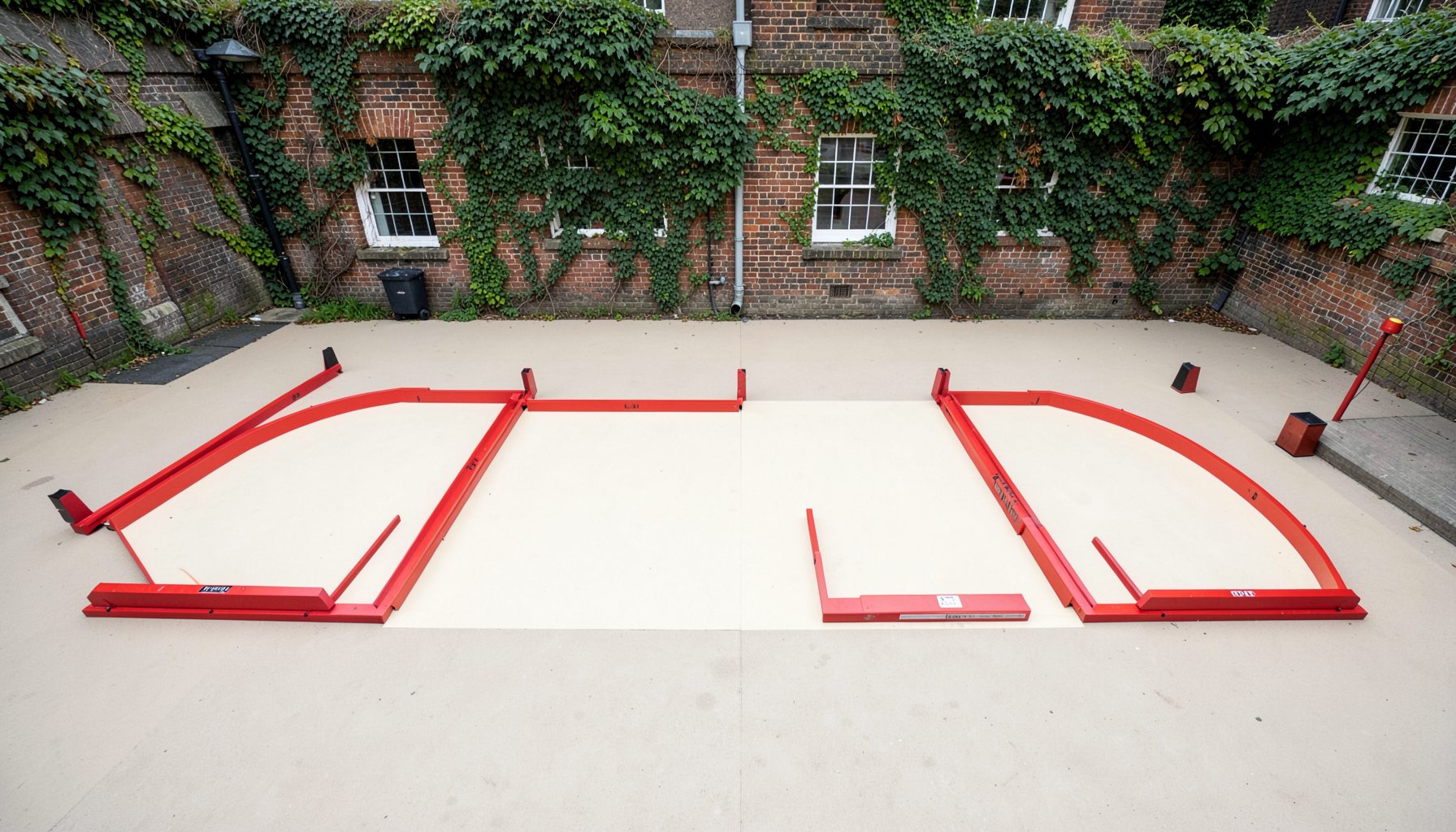
A Rugby Fives court has a front wall, two side walls, and a back wall. The front wall contains the main target area, marked by a horizontal line. The ball must be struck against the front wall above this line during normal play. Court markings also identify the service area and help players judge whether a serve or return is legal.
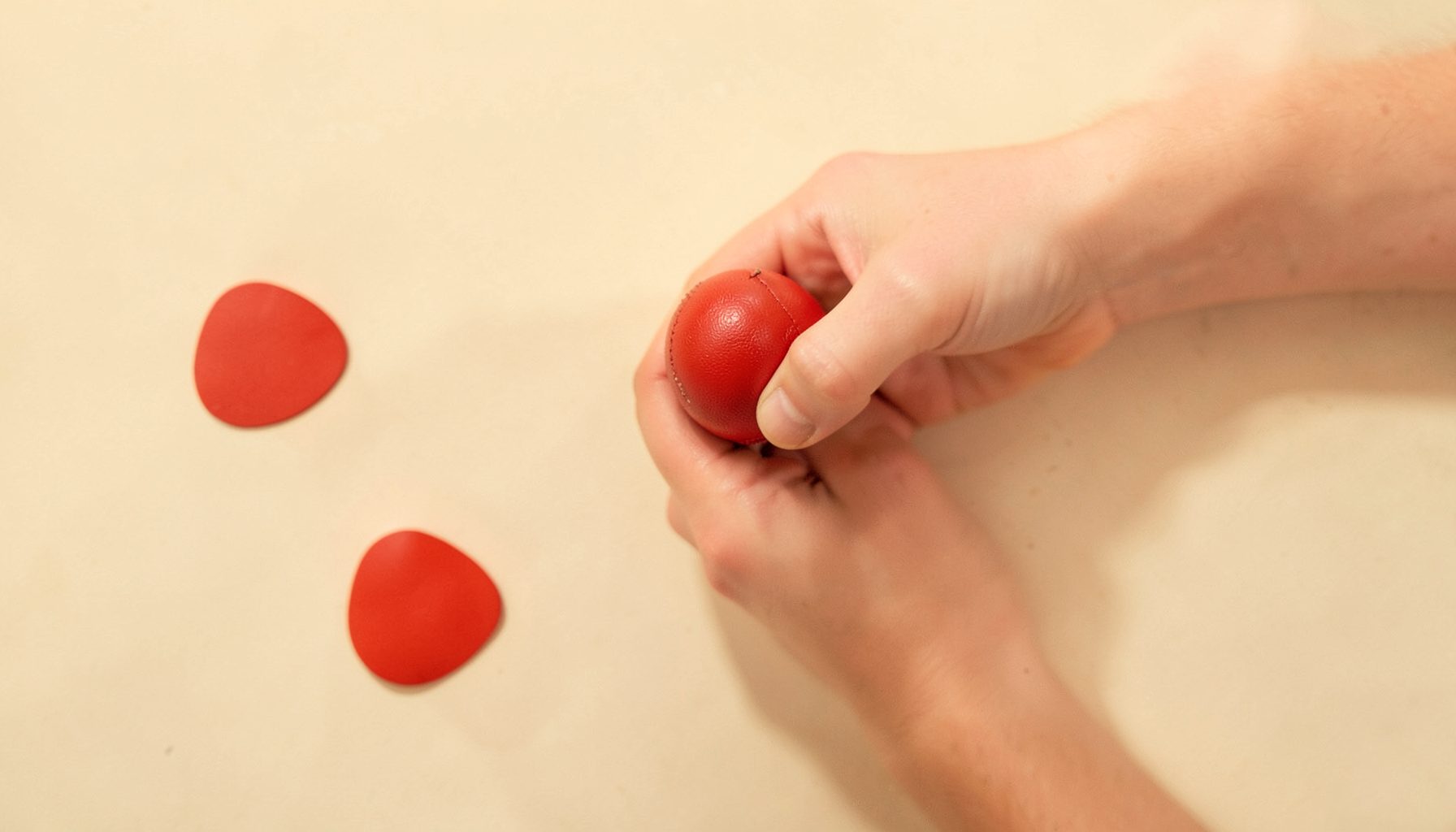
The ball is small, hard, and designed to move quickly after contact with the hand. Players do not use rackets or bats. Some players use a glove or hand protection, depending on personal preference and local practice, but the important requirement is to strike the ball cleanly and safely. Suitable sports clothing and non-marking footwear are essential, while eye protection is sensible in any fast indoor ball sport.
The walls are part of the playing area. A shot may use a side wall or the back wall, provided it eventually reaches the front wall correctly and remains within the laws of play. Learning to judge rebounds from different angles is one of the central skills in Rugby Fives.
Serving And Starting A Rally
A rally begins with a serve. The server stands within the designated service area and hits the ball onto the front wall. The serve must meet the required height and court restrictions before travelling into the receiver’s playable area. If it fails to do so, the server commits a fault and may lose the service or the rally, depending on the format being used.
The receiver must be ready and may return the serve after it has come off the front wall. In many situations, the ball can be played before it bounces or after one bounce, but it must be returned before a second bounce. A serve that is too short, too low, or outside the permitted area gives the receiver an immediate advantage.
Good serving is about control rather than sheer power. A player may aim for a corner, use the side wall, or vary the pace to make the return difficult. New players should first practise serving consistently into the legal area before attempting deceptive angles.
Returning The Ball Legally
During a rally, a player must strike the ball so that it reaches the front wall above the marked line. The ball may touch one or both side walls or the back wall as part of its route, but it must not bounce twice before the next legal return. A player may use either hand and may change hands during a rally.
The ball cannot be caught, carried, thrown, or deliberately struck twice. Contact should be a clear hit, even when the player uses an open hand, a closed hand, or the side of the hand. If the ball hits the floor before reaching the front wall, or fails to reach the legal target, the rally ends.
Players must also avoid obstructing one another. A shot should not be played when it risks striking an opponent, and a player should give reasonable space for an opponent to reach and hit the ball. When interference occurs, the appropriate decision may be a let, a replay, or a point, depending on whether the obstruction was avoidable and whether a genuine return was possible.
How Points And Games Work
Rugby Fives traditionally uses a hand-in, hand-out scoring system. The serving side scores when it wins a rally. If the receiving side wins, it gains the service but does not automatically receive a point. Some modern competitions use rally-point scoring instead, where the winner of every rally scores, so players should confirm the format before a match begins.
Games are commonly played to 11 points, with a margin of two points required when the score reaches the final stages. Match regulations may set a different target, deciding-game procedure, or tie-break arrangement. A match may be the best of three games, although schools, leagues, and tournaments can use different structures.
| Situation | Usual ruling | What a new player should remember |
|---|---|---|
| Legal serve | Rally begins | Hit the front wall in the permitted area |
| Serve fault | Service or rally is lost under the format | Practise height, direction, and consistency |
| Legal return | Ball reaches the front wall above the line before a second bounce | Side and back walls may be used |
| Second bounce | Rally ends | Move early and prepare before the ball drops |
| Ball below the line | Rally ends | Aim clearly above the front-wall mark |
| Obstruction | Let, replay, or point may be awarded | Give opponents safe and reasonable space |
| Receiving a hand-in, hand-out point | Service changes | Win the rally first, then serve accurately |
Positioning In Singles And Doubles
In singles, the main tactical challenge is covering the court while maintaining a position that allows a quick recovery. After hitting the ball, players should avoid standing too close to the front wall or drifting into a corner. A central position usually provides the best chance of reaching the next shot.
Doubles requires communication and disciplined movement. Partners should avoid occupying the same space and should call clearly when taking a ball. One player may cover the front while the other protects the rear, but these roles change rapidly as the rally develops. A shot into a corner can create pressure, yet a careless shot may leave both partners out of position.
Players should watch the opponent’s body and hand, not just the ball. Early movement makes it easier to intercept a return before the bounce, while controlled footwork reduces collisions. In close situations, safety takes priority over attempting a spectacular shot.
Common Faults And Match Etiquette
The most frequent beginner errors are serving outside the legal area, hitting below the front-wall line, allowing a second bounce, and attempting a return from an impossible position. Players also sometimes forget that a ball must reach the front wall; sending it directly into the floor or a wall without a legal front-wall return loses the rally.
Good etiquette is part of the game. Call the score clearly, acknowledge a good shot, and stop play if a player is at risk of being struck. If there is uncertainty about a line call or interference, discuss it calmly and follow the competition’s procedure. In a friendly match, replaying a genuinely unclear point is often better than allowing an argument to interrupt play.
New players should focus on reliable contact, balance, and court awareness rather than trying to hit every ball as hard as possible. The strongest return is often a controlled shot that reaches a difficult part of the court and gives the hitter time to recover.
Practical Steps For Your First Matches
A short period of structured practice can make the rules feel natural. Start with simple front-wall drives, then add side-wall angles and movement drills. A coach or experienced club player can explain local interpretations of serving, scoring, lets, and court boundaries.
Use these priorities when preparing for a first game:
- Learn the front-wall target line and the service area before playing competitively.
- Practise serving repeatedly until the ball travels high and deep enough to be legal.
- Move into position early instead of waiting for the second bounce.
- Call clearly with a doubles partner and leave a safe path for opponents.
- Confirm the scoring system and match format before the first serve.
Rugby Fives rewards patience, precision, and awareness as much as athletic speed. To develop those qualities, attend a session through the Rugby Fives Association, find a local club or school programme, and ask a coach to watch your serve and movement. Regular games will quickly turn the basic laws into instinctive habits.