The science of grip pressure in Rugby Fives
Rugby Fives rewards players who can read the ball as much as those who can swing hard. Among the under-discussed skills that separate a solid club player from a championship contender, the subtle art of hand squeeze ranks near the top. Understanding how much pressure to apply through the fingers, palm and wrist changes everything from a sharp cut shot to a controlled half-volley.
In Australia, the sport has grown through school programs in Melbourne and Sydney, where Rugby Fives shares court space with squash and racquetball. The Australian Fives Association oversees state fixtures, coaching courses and national championships at venues like Melbourne Grammar and Scotch College. Players who pick up the game in their arvo school sessions carry habits into weekend fixtures at clubs in Brisbane, Adelaide and Perth.
Because the ball travels at serious pace off the four walls, hand-to-ball contact happens in fractions of a second. Coaches regularly compare the technique to catching a hard cricket ball on a windy summer arvo, where finger cushioning decides whether the ball stays in control. This is where grip pressure science becomes a measurable skill rather than pure feel.
Researchers at the Australian Sports Commission have shown that experienced Fives players modulate their hold between 15 and 35 percent of maximum voluntary contraction, depending on the shot. The numbers below unpack what this means for anyone stepping onto a Fives court.
How the hand really meets the ball
When a Rugby Fives ball rebounds off the front wall, it can arrive at the receiver's hand at speeds exceeding 30 metres per second. The fingers and palm must absorb that energy, redirect it, and release a clean shot within roughly 200 milliseconds. The amount of pressure applied through the fingertips decides whether the ball is cradled, struck or fumbled.
Three muscle groups do most of the heavy lifting. The flexor digitorum superficialis curls the fingers around the ball, the thenar muscles stabilise the thumb side of the palm, and the wrist flexors control the angle of contact. Players who grew up handballing in the schoolyard, common in many Aussie Rules suburbs, often have a head start because the same finger flexors fire when palming a Sherrin at the local oval.
Proprioception plays its own role. Sensors in the joints and skin feed information back to the brain about ball speed, spin and trajectory. Players who maintain moderate tension rather than maximum squeeze report better ball feel, which is why coaches in Brisbane and Adelaide advocate relaxed hands during early-stage drills.
Finding the sweet spot
The phrase grip pressure sounds simple, but in practice it covers a sliding scale. Too loose and the ball flies off the hand unpredictably; too tight and the wrist locks, robbing the shot of finesse. Sport scientists working with the Australian Institute of Sport sit the sweet spot between 20 and 30 percent of maximum grip strength for most returns.
Players can self-test this with a hand dynamometer, peaking their grip then practising at roughly a quarter of that force during wall drills. Beginners tend to over-grip, particularly on backwall returns where fear of dropping the ball kicks in. By backing off the pressure, they unlock softer hands and better directional control.
Cricket fielders have long understood this principle in the slips. The same logic applies in Fives, where a relaxed hand absorbs shock and lets the wrist flick through. Coaches at Sydney Grammar and Wesley College run sessions where players count silently to two between catches.
Different shots, different pressures
Not every stroke demands the same squeeze. A first serve, aimed at a hard, low bounce that hugs the wall, benefits from firmer contact near 40 percent of maximum grip. A half-volley taken on the rise needs a softer hand to cushion and redirect, sitting closer to 15 percent.
| Shot type | Recommended pressure | Why it matters |
|---|---|---|
| First serve | 35–40% | Firm contact for pace and direction |
| Half-volley | 15–20% | Cushions impact, redirects cleanly |
| Cut shot | 25–30% | Rolls around ball without choking spin |
| High volley | 30–35% | Stabilises against gravity and drift |
| Backwall return | 20–25% | Soft hands prevent errors under pressure |
Cutting shots sit in the middle range. The fingers must roll around the surface without choking the ball, and players who learnt their trade palming a footy in suburban parks often find this transition natural. Handball rewards finger articulation rather than brute force, and that crossover helps Fives players develop touch.
Volleying above head height calls for slightly increased pressure to keep the ball from drifting off the wrist. The thumb does much of the stabilisation, leaving the fingers relatively relaxed. A common coaching cue is to imagine holding a small bird firmly enough that it cannot escape but gently enough that it is not harmed, which maps well onto the biomechanical data.
Adapting pressure on the fly
The smartest Fives players do not apply the same pressure to every return. They read the spin, pace and angle as the ball leaves the wall and adjust their hand accordingly. A ball that skids low off a polished surface needs more cushioning; a ball climbing the wall after a topspin serve can be taken with a firmer grip higher up.
In Australian club fixtures, where court humidity varies between a Brisbane summer afternoon and a crisp Adelaide morning, ball behaviour shifts throughout the day. Players learn to factor in these changes, sometimes loosening their hold by a few percent in damp conditions where the leather feels tackier. Local knowledge passes down between generations at clubs such as the Royal Melbourne Fives Club and the University of Sydney squad.
When the forearms give out
Fatigue is the enemy of fine motor control. As a match wears on, the forearm muscles that regulate grip begin to tire, and players unconsciously squeeze harder to compensate. Research from Exercise and Sport Science Australia shows grip endurance drops by up to 25 percent after 45 minutes of continuous match play, translating into mistimed shots and dropped balls.
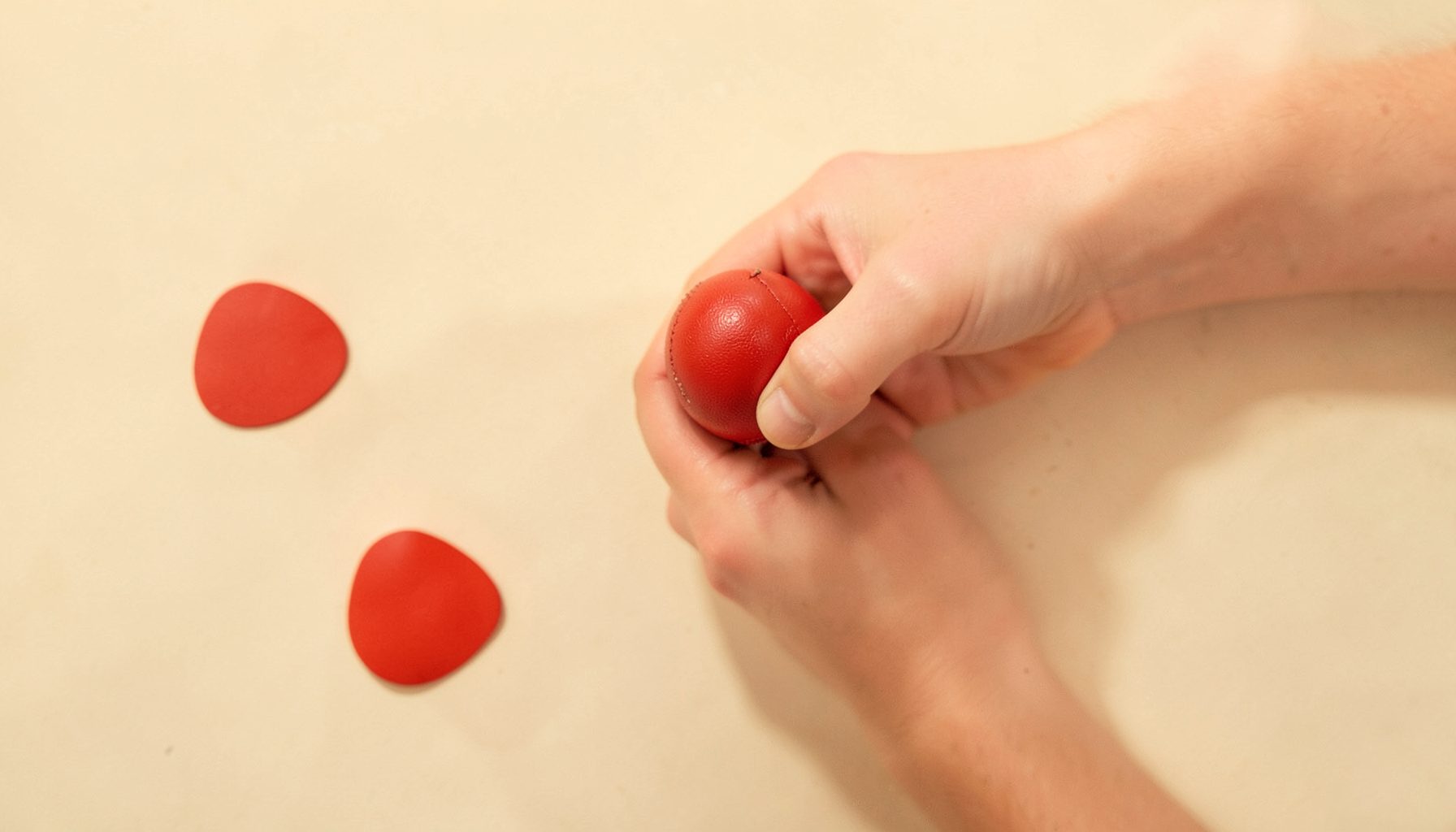
Smart players counter this through pre-match forearm conditioning and on-court micro-breaks between games. Stretching the flexors and using a soft stress ball during changeovers keeps blood flowing. Australian players who balance Fives with cricket, tennis or surf lifesaving often have stronger forearms to begin with, but even they must manage fatigue when fixtures stack up across a long weekend carnival.
Building pressure awareness
Coaches design drills that train the brain to feel the right pressure. One popular exercise involves catching a ball dropped from shoulder height onto a soft mat, progressing to harder surfaces to develop consistent landing force in the hand regardless of ball speed.
Another drill uses a squeaky toy held in the palm during wall drills, so players hear an immediate signal whenever they over-squeeze. Brisbane-based coaches swear by this technique for junior squads, where bad habits form quickly if left unchecked.
Tennis ball work has a strong tradition in Australian sport, and Fives coaches have borrowed the squeeze-feedback approach enthusiastically. It fits neatly into the after-school training windows common at GPS schools across Sydney and Brisbane.
Surface, ball and the Australian climate
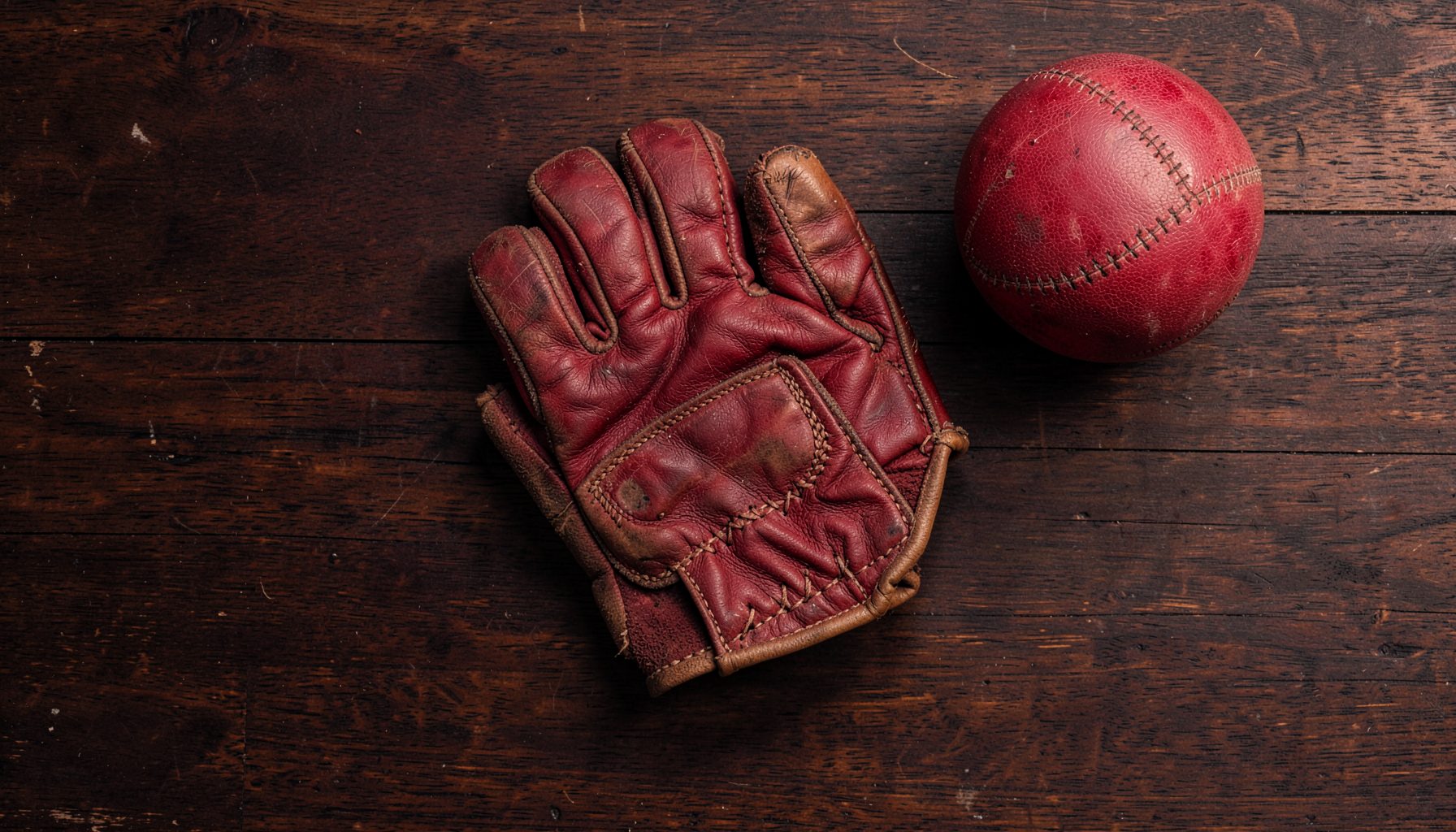
The hard ball used in Rugby Fives demands careful hand management. Australian players often rotate between two or three balls during a long session, allowing each to cool and recover its shape. A ball left baking in a 35-degree Sydney car park becomes unpredictable, expanding slightly and behaving like a sponge rather than a precision sphere.
Indoor courts around the country, including Melbourne Grammar and several private school facilities, are climate-controlled but rarely identical. Players who travel interstate for championships quickly learn that a court in Hobart feels different from one in Perth, and they adjust their grip accordingly. Humidity, temperature and wall texture all feed into the equation.
Aussie players are known for being resourceful, rigging up humidifiers or rotating courts to find conditions that suit their hands. That adaptability explains why Australian Fives players punch above their weight at the biennial Anglo-Australian clash in the UK. The skills travel, but habits formed in uniquely Australian conditions shape the hands in the first place.
If this look at the science of grip pressure has sharpened your thinking about hand skills, grab a ball, find the nearest court, and start experimenting with your squeeze. Visit the Australian Fives Association website to locate clubs in your state, book a coaching session, or enter the next graded tournament. Year 7 students and veterans returning after a long break are equally welcome on court.