



The Social Benefits Of Joining A Rugby Fives Club
Joining a Rugby Fives club offers far more than regular exercise. The game creates a setting where people meet across age groups, learn shared routines and develop friendships through steady participation. For Australians looking for a welcoming community sport, it can provide a refreshing alternative to large-field competitions and heavily commercialised fitness activities.
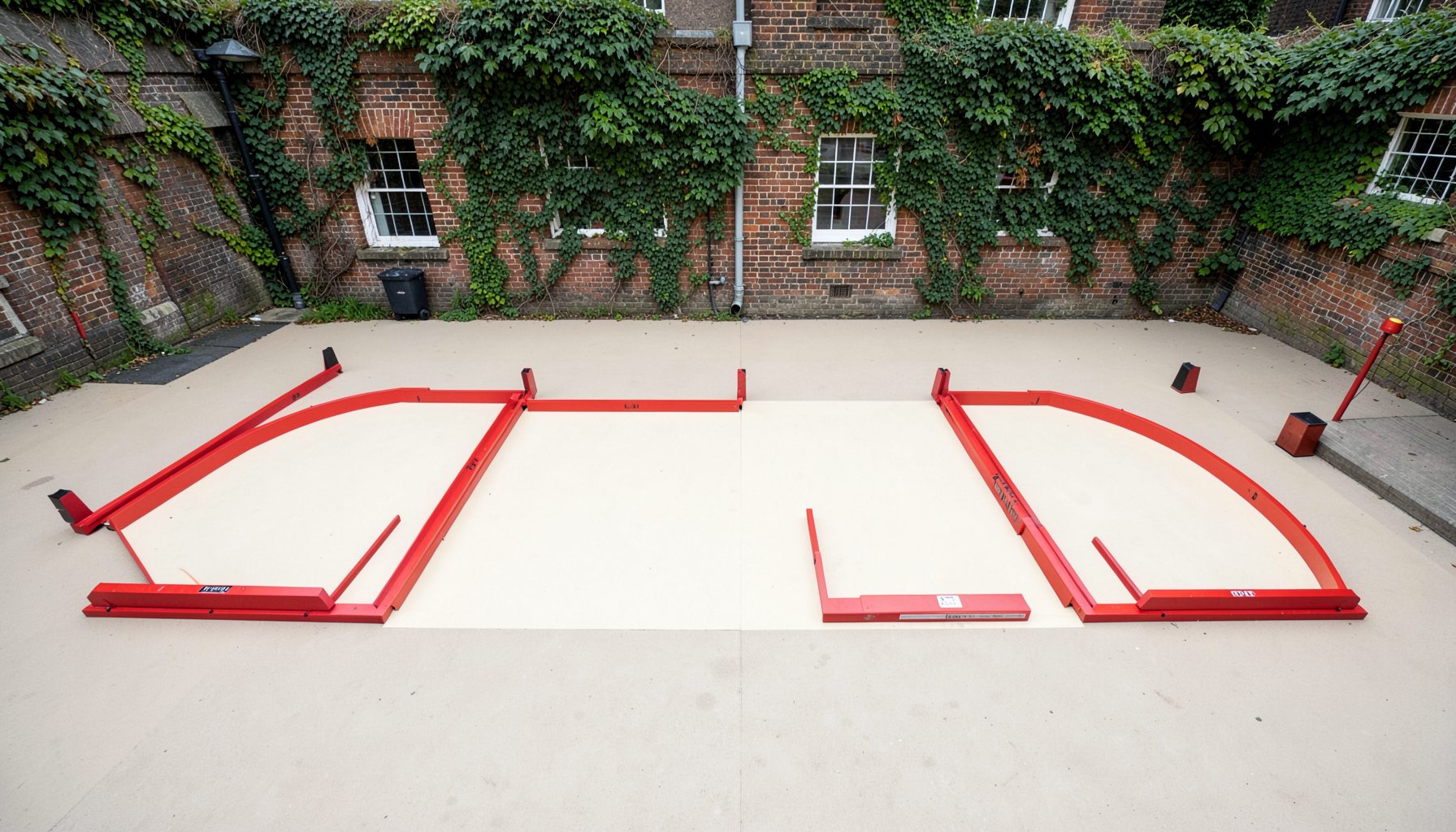
Rugby Fives is played in a four-walled court, with players using their hands to strike a small ball against a front wall. The format is energetic, tactical and relatively easy to understand, while still offering plenty of scope for improvement. New players can begin at a comfortable pace, then build confidence through coaching, social matches and competitions.
The club environment is central to the experience. A session might include experienced competitors, school-age players, parents, university students and people returning to sport after a long break. That mix encourages conversation and connection, whether the group is warming up, sharing tips between games or having a casual chat over a drink afterwards.
For people in Australia, where community sport often follows school terms, weekend fixtures and local council timetables, Rugby Fives can fit neatly around work and family commitments. A club may become a reliable part of the week: a place to move, reset and spend time with good people.
A Natural Way To Meet People
A Rugby Fives club gives social contact a clear purpose. Players arrive with a shared interest, so conversation tends to develop easily rather than feeling forced. A newcomer can ask about the scoring system, court etiquette or equipment and quickly become part of the group.
The sport also creates repeated contact. Seeing the same players each week allows casual acquaintances to become genuine friendships. This is especially valuable for people who have moved to a new suburb, started university, changed jobs or settled in a city such as Melbourne or Sydney without an established local network.
Friendship Across Generations
Rugby Fives is suited to intergenerational participation because success relies on timing, positioning and decision-making as much as physical power. A younger player may have quick movement, while an older player may bring excellent anticipation and control. That balance gives different generations a reason to learn from one another.
Club competitions and social evenings can strengthen those relationships away from the court. Experienced members often help beginners understand the game, organise practice partners or recommend suitable events. In return, newer players bring enthusiasm and fresh energy, helping the club remain active and welcoming.
Belonging Through Shared Rituals
Clubs create belonging through small, repeated rituals. Players arrive early to prepare the court, pair up for warm-ups, rotate through games and reflect on what worked. These routines provide structure and make participation feel meaningful, even when someone is still developing basic skills.
Shared standards also build trust. Players learn to respect opponents, call scores clearly and manage close decisions fairly. Those habits matter socially because members know they can rely on one another. A club becomes more than a venue for exercise; it becomes a community with its own character and traditions.
Confidence And Communication
Rugby Fives encourages people to communicate in practical ways. Doubles partners need to call for the ball, discuss positioning and respond calmly when a rally breaks down. These short exchanges gradually improve confidence, especially for players who feel shy in unfamiliar groups.
The game also rewards constructive feedback. Coaches and experienced members can explain movement patterns, serving choices and defensive options without making a beginner feel out of place. Australian community sport often values a relaxed, good-humoured approach, and a supportive Fives session can reflect that friendly “give it a go” attitude.
A Positive Routine For Wellbeing
Regular club attendance can support mental wellbeing by creating a dependable break from screens, commuting and workplace pressure. The concentration required during a rally brings attention into the present, while the physical effort helps release tension. Even a short session can leave players feeling more alert and settled.
The social benefit is equally important. A weekly game offers an opportunity to see familiar faces and share a laugh during a busy arvo. For someone working remotely or spending long periods alone, that dependable human contact can make the week feel more balanced.
A Welcoming Path Into Competition
Competition does not have to mean an intense or intimidating environment. Many clubs offer graded matches, beginner sessions and social tournaments that let people test themselves at an appropriate level. Players can enjoy the challenge without treating every game as a high-stakes performance.
As skills improve, members may enter championships, fixtures or events supported by the national governing body. Results and rankings can add motivation, while the club remains a place to celebrate progress. For Australians who enjoy friendly competition, this pathway combines personal goals with a strong sense of team spirit.
Connecting Schools, Families And Communities
Rugby Fives can connect different parts of a local community. School programs may introduce students to the sport, university clubs can attract young adults, and established players can support coaching or volunteer roles. Families may find that several generations can participate in related sessions and events.
In Australia, access may depend on finding a suitable court, school facility or community partnership. Local clubs, independent schools and sporting associations can help identify opportunities, while the Rugby Fives Association can provide information through its contact team. That connection is useful for people who are keen to play but unsure where a nearby programme operates.
What Members Gain From Club Life
The benefits develop over time. A first visit may provide exercise and a few introductions; regular attendance can bring trusted friendships, improved communication and a stronger sense of belonging. Volunteering, coaching and helping with events add further ways to contribute beyond playing matches.
The following comparison shows how different forms of participation can support social connection. The categories overlap, since a single club session may include all of them.
| Club Experience | Social Benefit | What It Can Look Like |
|---|---|---|
| Beginner session | Easier introductions | Learning rules with other new players |
| Weekly practice | Familiarity and routine | Seeing the same members each week |
| Doubles match | Communication and trust | Calling shots and planning tactics |
| Social tournament | Wider connections | Meeting players from nearby clubs |
| Coaching or volunteering | Contribution and leadership | Helping juniors or organising fixtures |
| Championship participation | Shared achievement | Supporting teammates and celebrating progress |
A strong club makes room for different motivations. Some members may want a competitive ranking, while others are there for fitness, companionship or a regular activity after work. Those aims can coexist when players respect different skill levels and keep the atmosphere encouraging.
For someone in Australia, the best starting point may be a school-term programme, a university connection or a club session within practical travelling distance. Checking transport, court availability and session times will help make attendance sustainable. Once the habit is established, the social rewards tend to grow naturally.
Find a Rugby Fives opportunity through the association, attend a session with an open mind and introduce yourself to the players and volunteers. Bring comfortable sportswear, be ready to learn the basics and give the club a few visits to experience the friendships, confidence and community that develop through regular play.