



Growing Your Rugby Fives Club Online
A strong online presence helps a Rugby Fives club attract players, retain members, celebrate achievement, and explain the sport to people who may have never seen a court. Social media can turn an unfamiliar game into a welcoming community by showing its speed, skill, traditions, and human stories.
The most effective club accounts do more than announce fixtures. They create a regular window into training nights, school sessions, tournaments, coaching, volunteer work, and the friendships built around the sport. Every post should help someone understand what the club offers and how they can become involved.
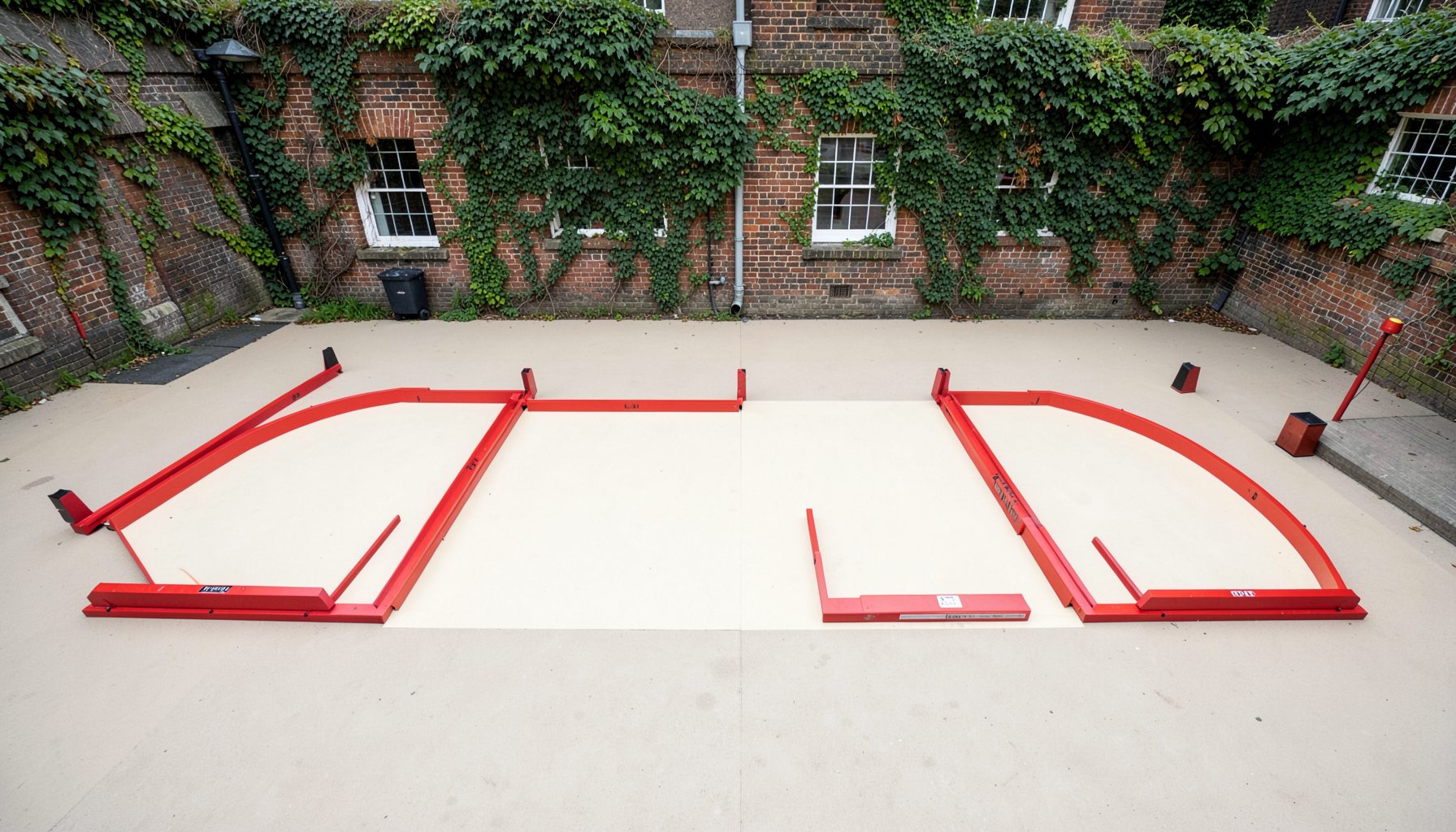
Rugby Fives has a valuable advantage online: its action is distinctive. The enclosed court, fast reactions, unusual shots, and close contests provide visual material that can stand out in crowded feeds. With a clear approach, even a small club can build recognition without needing a large budget or a full-time communications team.
Establish a clear club identity
Before posting regularly, decide what the club should be known for. A useful identity might combine competitive performance, friendly participation, youth development, local heritage, and open access. This gives members a consistent message when they write captions, record videos, or respond to comments.
Use the same club name, logo, colours, location, contact details, and registration link across every platform. A short profile description should explain Rugby Fives in plain language and state who can attend. For example, a club may welcome beginners, juniors, experienced players, and people returning to sport.
Your tone should feel confident and human rather than corporate. Celebrate a championship result with energy, but give equal attention to the volunteer who prepares the court or the beginner who completes a first training session. This balance shows that the club values participation as well as performance.
Choose platforms with a purpose
A club does not need to maintain every social network. Instagram is useful for photographs, short clips, Stories, and visual reminders about fixtures. Facebook remains valuable for local groups, parents, older members, event information, and longer updates. TikTok or YouTube Shorts can introduce the sport to new audiences through concise demonstrations and entertaining rallies.
Assign a role to each channel instead of copying every post everywhere. Instagram might carry a lively match-day rhythm, Facebook could host practical details and community notices, while YouTube stores coaching material, interviews, and longer tournament coverage. Cross-posting is efficient, but adapting the caption and format will make each account feel intentional.
| Platform | Best use for a club | Content examples | Useful rhythm |
|---|---|---|---|
| Reach, atmosphere, and visual storytelling | Rally clips, player profiles, Stories, training photos | Three to five posts weekly | |
| Local communication and event information | Fixture notices, results, volunteer updates, event pages | Two to four posts weekly | |
| YouTube | Searchable education and match coverage | Skills demonstrations, interviews, tournament videos | Two to four videos monthly |
| TikTok | Discovery and younger audiences | Fast rallies, court tours, rules explained, trends | One to three clips weekly |
| Partnerships and formal recognition | School projects, grants, sponsors, governance news | Two to four posts monthly |
Create content around the club calendar
A manageable content plan can follow the natural cycle of Rugby Fives. Before a fixture, publish the date, venue, opponents, and how supporters can attend. During the event, share warm-ups, court-side atmosphere, short rally footage, and results. Afterwards, recognise players, officials, coaches, opponents, and volunteers.
Build recurring content series so followers know what to expect. “Skill of the week” can feature a serve, volley, or defensive movement. “Meet the club” can introduce a junior, coach, committee member, or long-serving player. “Fives explained” can answer simple questions about scoring, court layout, equipment, or etiquette.
Educational content is especially valuable for a sport with a smaller public profile. A short clip showing the ball striking the front wall can be paired with a caption explaining the objective. A new player may understand the game faster through a ten-second demonstration than through a long written description.
Human stories should remain central. Share why members started playing, what competition means to them, and how the club supports personal development. When discussing preparation and wellbeing, a post can also direct members towards nutrition guidance that supports training and match-day performance.
Make video simple, useful, and watchable
Short-form video is one of the strongest ways to display Rugby Fives because the sport’s pace is difficult to capture in still images. A smartphone, a stable position behind the court, and good lighting can produce effective footage. Record several short sequences rather than relying on one long, shaky video.
The first seconds matter. Start with the most interesting rally, a sharp reaction, or a clear promise such as “Can you return this shot?” Add captions because many people watch without sound. Keep the court visible, avoid excessive effects, and include the club name or location so clips remain identifiable when shared.
Ask permission before recording and publishing identifiable players, with particular care around children and school groups. Agree on a simple club policy covering photography, live streaming, tagging, and the use of match footage. Respect an individual’s decision not to appear online.
Turn followers into club participants
Social media should make the next step obvious. Every event post needs practical information: who it is for, when it takes place, where it happens, what equipment is needed, and how to register or ask questions. A clear call to action might invite people to attend a beginners’ session, watch a final, volunteer at a tournament, or share a post with a local school.
Reply to comments and messages promptly, using a warm and informative tone. Thank people who share content, tag teammates when appropriate, and celebrate milestones from members’ own accounts. A club becomes more visible when its community participates in telling the story.
Partnerships can extend reach beyond existing players. Tag schools, sports centres, local newspapers, community organisations, sponsors, and neighbouring clubs when content genuinely relates to them. Joint posts about coaching sessions or open days can introduce Rugby Fives to audiences that would not discover the sport through a club page alone.
Measure progress without losing personality
Useful measures include profile visits, video completion rates, saves, shares, event registrations, website clicks, and enquiries from prospective players. Follower numbers provide context, but they do not show whether online activity is helping the club fill coaching sessions or attract volunteers.
Review performance once a month. Identify which subjects receive meaningful responses and which formats lead to action. A beginner’s guide may generate more registrations than a polished match photograph, while a player interview may earn more shares than a routine fixture notice. Use these patterns to refine the next month’s schedule.
Keep a simple record of successful captions, effective filming positions, seasonal topics, and frequently asked questions. This reduces pressure on volunteers and preserves knowledge when the person managing the account changes. A shared folder can hold approved images, logos, consent records, templates, and event information.
Build a sustainable posting routine
Consistency matters more than volume. A club that publishes three considered updates each week will usually create stronger trust than one that posts heavily for a fortnight and then disappears. Use a shared calendar with the event date, content owner, approval status, platform, caption, and publishing time.
The following habits can keep communication organised while leaving room for spontaneous match-day moments:
- Capture several photos and short clips at every training session or competition.
- Prepare fixture announcements, beginner invitations, and result templates in advance.
- Give different volunteers clear roles for filming, writing, approvals, and replies.
- Reuse strong content in new formats, such as turning an interview into several short clips.
- Review accessibility by adding captions, descriptive text, readable graphics, and clear language.
A small group of contributors is safer and more creative than relying on one person. Agree on who can publish urgent updates, how safeguarding concerns are escalated, and where account passwords are stored securely. Good governance protects the club’s reputation while making daily posting easier.
Rugby Fives clubs have stories worth sharing: the first successful rally, a hard-fought championship, a school discovering the court, and a volunteer keeping fixtures moving. Put those moments in front of the people who may become the sport’s next players, supporters, coaches, or organisers. Start with one platform, one reliable weekly rhythm, and a clear invitation to take part, then let the club’s energy carry the message.