



The story behind the national Rugby Fives championships
The National Rugby Fives Championships represent the competitive heart of a sport built on skill, speed, precision, and tradition. Players meet on the same distinctive court to test their touch, movement, tactical judgment, and ability to turn a difficult rally into an attacking opportunity.
The championships are also a record of how Rugby Fives has developed. School traditions, club rivalries, university links, coaching networks, and volunteer organisation have all shaped the event. Each generation adds its own names and memories while preserving the character of the game.
To understand the importance of the tournament, it helps to look beyond the final score. The history of the competition is tied to the origins of Rugby Fives, the growth of organised play, and the work of the Rugby Fives Association in keeping fixtures, results, rankings, and historic achievements connected.
From school courts to national competition
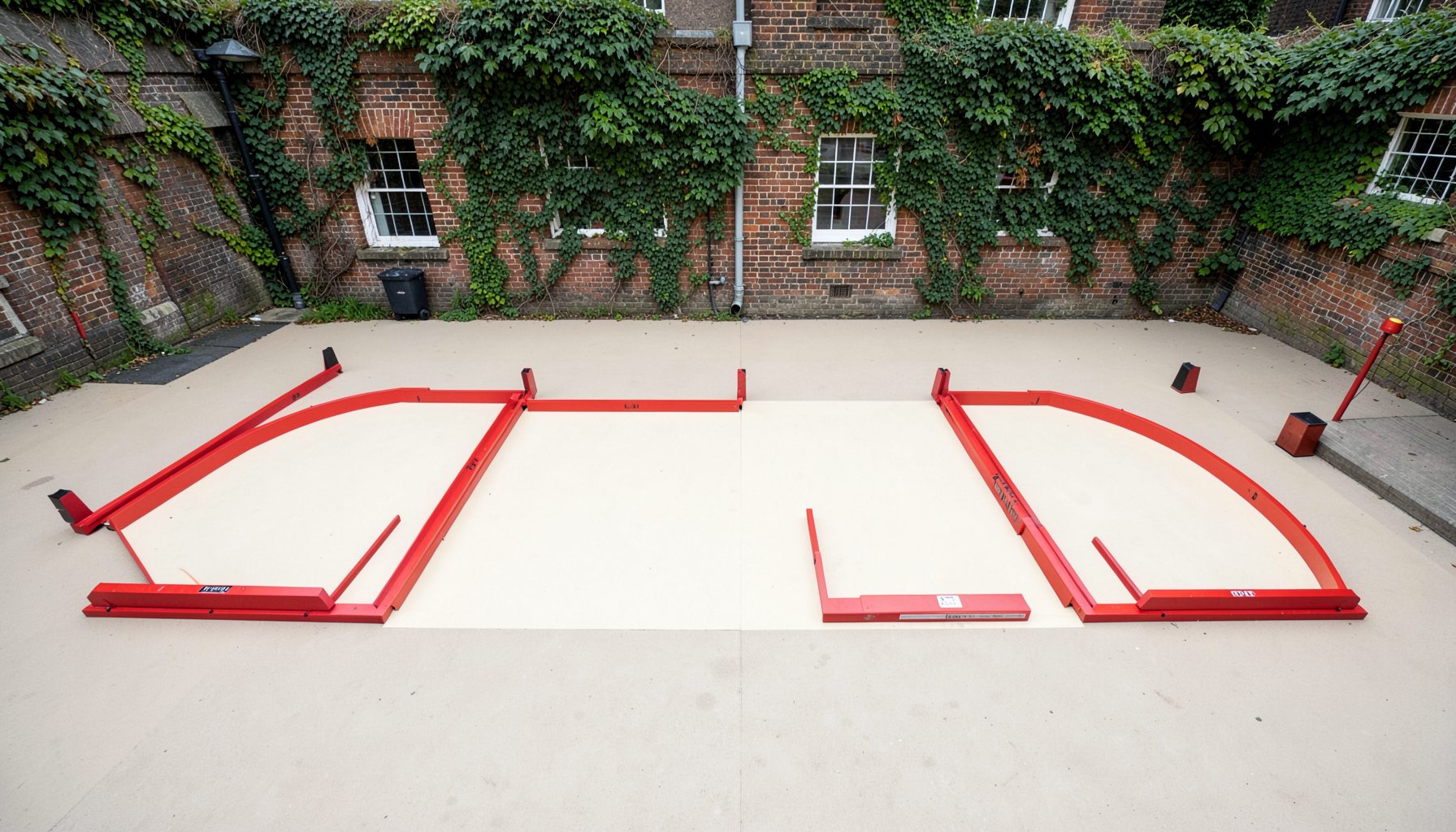
Rugby Fives grew from the courts associated with Rugby School, where a hand-and-ball game developed into a distinctive sport with its own rules and playing culture. Its compact court, uneven wall surfaces, and rapid rebounds reward anticipation rather than brute force. A player must read the ball quickly, control it with either hand, and create space within seconds.
Those features helped the game travel beyond its original school setting. Former pupils carried their enthusiasm into universities, clubs, and communities, creating the foundations for wider competition. The sport’s history therefore belongs to a network of players and institutions rather than to a single venue.
The history of Fives explains why the game remains recognisable across different generations. Although equipment, training methods, and competition structures have changed, the essential contest is still decided by touch, positioning, nerve, and intelligent use of the court.
How the championship tradition took shape
A national championship needs more than a group of talented players. It depends on agreed rules, suitable courts, officials, organisers, and a calendar that allows competitors from different regions to participate. As Rugby Fives clubs became more connected, formal championships gave the sport a shared centre of gravity.
Early tournament culture was shaped by personal networks. Players often knew one another through schools, universities, military connections, or established clubs. Travel could be demanding, and participation relied heavily on volunteers who arranged fixtures, maintained courts, recorded results, and welcomed visiting competitors.
Over time, the championships became a meeting point for different strands of the game. Experienced players brought knowledge of traditional tactics, while newer entrants introduced fresh athletic styles. That mixture helped the national event remain competitive without losing its links to the past.
What makes the event distinctive
The championship court creates a particular kind of pressure. There is little room for wasted movement, and a rally can change direction instantly. A well-placed shot may force an opponent into an awkward recovery, while a small error in hand position can surrender the initiative.
The best matches often reveal several layers of skill:
- Accurate striking from difficult angles
- Fast reactions to unpredictable rebounds
- Careful control of court position
- Tactical patience during long rallies
- Composure when points become decisive
Singles and doubles competitions place different demands on players. Singles rewards individual coverage, stamina, and the ability to construct points alone. Doubles introduces communication, rotation, and coordinated pressure. Championship success requires competitors to adapt their style while maintaining reliable fundamentals.
A record of players, clubs, and rivalries
Every national tournament creates a competitive record, but its wider value lies in the stories attached to that record. Champions become reference points for future players. Close finals are remembered because of a particular recovery, a change in tactics, or the atmosphere created by a crowded court. The roll of honour becomes a thread linking current competitors with earlier generations.
Club rivalries also give the championships much of their character. A national event allows players who may usually meet only through occasional fixtures to compete under greater pressure. These encounters strengthen relationships between clubs and can inspire younger members who are watching high-level Rugby Fives for the first time.
Results and rankings provide useful structure, yet they do not capture every contribution. Coaches, court managers, referees, administrators, photographers, parents, and volunteers all help turn a tournament into a functioning national occasion. Their work is part of the championship story.
| Championship feature | Contribution to the event | Lasting significance |
|---|---|---|
| Singles competition | Tests individual movement, control, and tactical judgement | Highlights complete all-round players |
| Doubles competition | Rewards communication, positioning, and shared decision-making | Strengthens club partnerships and team traditions |
| Club participation | Brings players from different local networks together | Builds national connections within the sport |
| Historical records | Preserves winners, results, and memorable contests | Gives future generations a link to earlier champions |
| Volunteer organisation | Supports fixtures, venues, officiating, and communication | Keeps the championship accessible and sustainable |
The people behind the annual meeting
A championship weekend may appear to centre on the players, but its success begins months earlier. Organisers coordinate entries, schedules, court availability, communications, and results. Officials must apply the laws consistently, while venue teams prepare spaces that can withstand intense play across multiple matches.
The Rugby Fives Association provides an important national framework for this work. As the sport’s governing body, it connects clubs, schools, coaches, players, and volunteers. That connection helps preserve a consistent competition pathway, from a beginner discovering the game to an established player entering a national draw.
Coaches contribute in a different but equally important way. They teach movement patterns, striking technique, tactical awareness, and match discipline. They also help players understand the values expected at championship level: respect for opponents, responsibility for the court, and pride in representing a club or school.
Why the championships still matter
The tournament continues to matter because it gives Rugby Fives a visible shared occasion. Local fixtures can sustain regular participation, but a national championship gives players a reason to measure progress against the strongest opposition available. It also creates a target for emerging competitors and a stage where coaching can be tested.
The event has an important role in inclusion and development. A healthy national competition should welcome people with different backgrounds, ages, levels of experience, and routes into the sport. School programmes and community outreach can broaden the player base, while clubs provide the regular practice and social connection needed to retain participants.
Tradition works best when it supports participation rather than closing the door to newcomers. The championship’s history gives the sport depth, but its future depends on making courts, coaching, information, and competition accessible to more people.
Carrying the tradition forward
The story of the National Rugby Fives Championships is still being written. New clubs may emerge, schools may restore courts, and players who first encounter the sport through a community session may eventually compete at the highest level. Digital records and modern communication can also make fixtures, rankings, and historic results easier to discover.
The strongest future will connect preservation with growth. Important archives should remain available, championship standards should remain clear, and experienced players should have opportunities to mentor those beginning their competitive journey.
Practical priorities include:
- Protecting historic results, photographs, and championship records
- Supporting schools and clubs with coaching and development resources
- Expanding opportunities for junior, beginner, and returning players
- Encouraging volunteers to contribute to officiating and event organisation
- Promoting inclusive access to courts, fixtures, and national competitions
The championship is more than an annual test of ability. It is a living meeting between the sport’s origins and its next generation, sustained by every player who enters a court, every coach who shares a technique, and every volunteer who helps make the fixture possible. Explore the Association’s resources, find a local connection, and take part in carrying Rugby Fives forward.