



The Story of the Oldest Rugby Fives Club in the UK
Rugby Fives traces its roots back to the nineteenth century, evolving from games played against chapel and school walls across England. The oldest continuously running club dedicated to this unique handball game has carried that heritage forward for well over a hundred years, blending sport, tradition, and community into a single enduring institution. Understanding this club's journey offers a window into the broader development of the sport itself.
For Australian readers curious about the heritage of niche bat-and-ball and handball sports, the tale of this historic club provides valuable context. While Australians are more familiar with codes of football, cricket, and tennis, the story of how a small, dedicated community preserved its sport through two world wars, social change, and the rise of modern athletics holds universal appeal. The parallels between amateur sporting traditions in Britain and Australia run deeper than many realise, particularly when looking at how local clubs safeguard centuries-old pastimes.
Origins and Founding
The club emerged during the late Victorian era, when Rugby Fives was gaining traction among former pupils of the great English public schools. Courts were constructed in back gardens, schoolyards, and chapels, with players drawn together by a shared enthusiasm for a game that demanded both athleticism and tactical thinking. The founding members of what would become the oldest active Rugby Fives club met regularly in a modest court, establishing fixtures and informal rules that would shape generations of play.
Early records show that the club initially functioned as a gathering point for alumni seeking to continue the sport they had enjoyed at school. This mirrors a pattern still seen today in Australian amateur athletics, where clubs in suburbs like Hawthorn or Mosman preserve traditions carried back from local inter-school competitions. The British founders, much like their Australian counterparts, prioritised social connection alongside competitive play, setting a template that continues to define amateur sport on both continents.
Growth and Development Through the Decades
By the turn of the twentieth century, the club had formalised its structure, joining inter-club competitions and establishing annual tournaments. The inter-war years brought expansion, with new members drawn from universities and the armed services. The club survived the disruption of both world wars, with matches sometimes played between deployments, keeping the tradition alive when many other sporting organisations ceased activities entirely.
The post-war period saw a particular boom in membership, as returning servicemen sought the camaraderie and physical challenge that Rugby Fives offered. This era coincided with significant growth in Australian club sport as well, particularly in Melbourne and Sydney where community clubs flourished under the support of organisations like the Australian Sports Commission. The British club's experience of post-war growth therefore resonates with Australian sporting history, reflecting a shared Anglestian emphasis on grassroots participation and volunteer-driven competition.
Notable Players and Championships
Throughout its history, the club has produced several figures who shaped not only club fortunes but the wider sport. Players who learned their skills in those early courts went on to represent county sides, contribute to rule revisions, and mentor younger generations. Some names remain synonymous with Rugby Fives excellence, with records of their championship victories still referenced in association archives today.
| Sport | Origin | Court Type | Key Equipment | Primary Skill Focus |
|---|---|---|---|---|
| Rugby Fives | England, 19th century | Enclosed with buttress | Gloved hand | Hand-eye precision |
| Squash | England, 19th century | Fully enclosed | Racket and ball | Racket control |
| Handball | Northern Europe | Indoor or outdoor | Hand or glove | Throwing accuracy |
| Fives (Eton) | England, 18th century | Open with pediment | Hand | Catching and throwing |
| Wall Ball | Various | Single wall outdoor | Hand and ball | Reaction time |
The club's championship record includes regional victories, national tournament appearances, and friendly fixtures against touring sides. Many of these matches were played on courts that remain in active use today, connecting current players directly to their predecessors through the very walls they hit against. This continuity is something Australian sports clubs understand well, particularly those in heritage-rich areas of Hobart or Adelaide where cricket clubs still play on grounds established in the nineteenth century.
The Court and Facilities
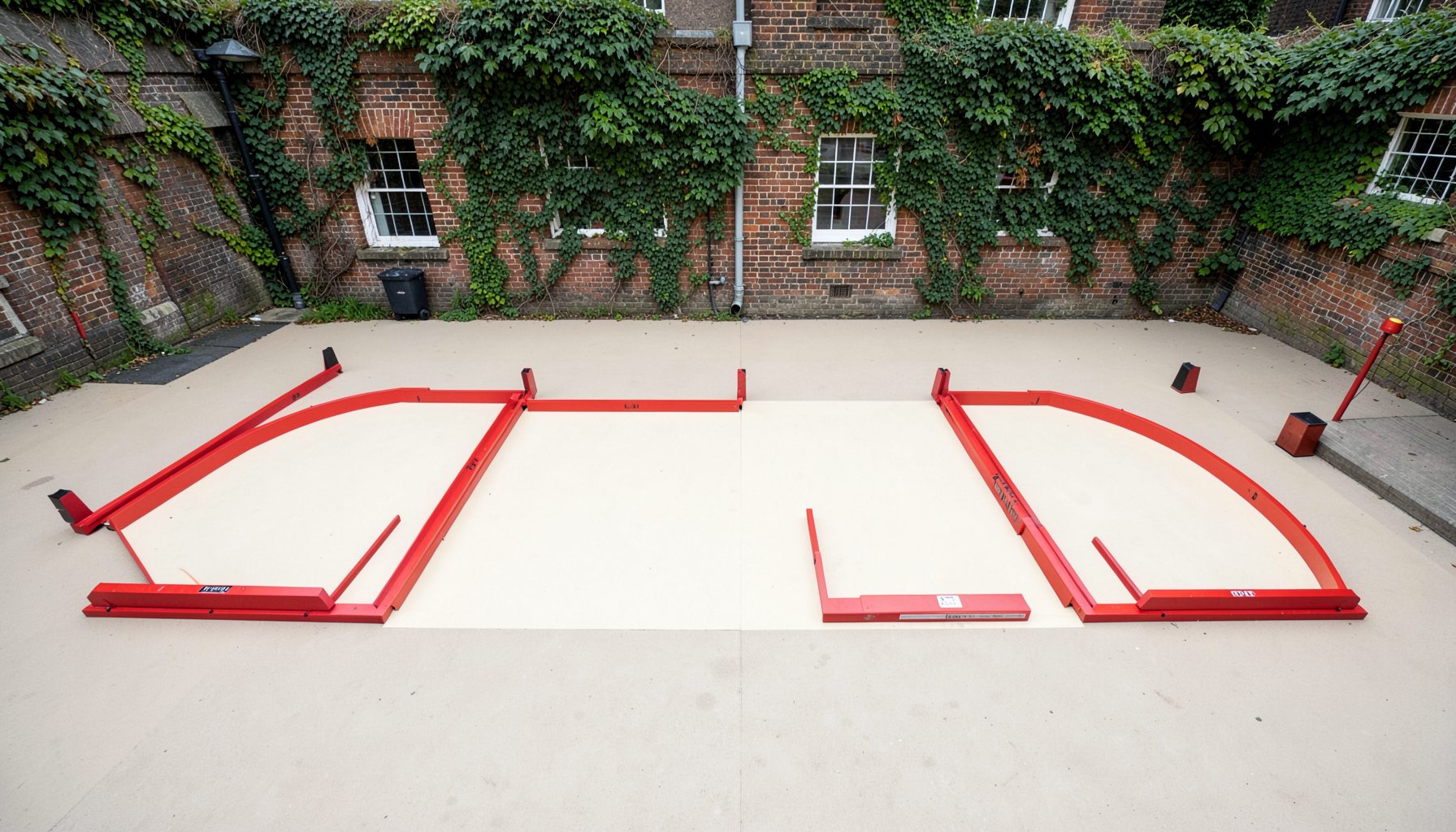
The physical court itself forms a crucial part of the club's identity. Unlike modern sports facilities built to standardised specifications, the oldest Rugby Fives courts were often adapted from existing architecture, with buttresses incorporated into the playing area to create unique tactical elements. The club's home court reflects this heritage, with irregularities and features that experienced players learn to exploit in ways impossible on newer surfaces.
Maintaining these historic courts requires ongoing care, with restoration work often funded through membership fees, charitable giving, and volunteer labour. The Australian equivalent can be found in community tennis and bowls clubs scattered across suburban Perth and Brisbane, where ageing clubhouses and courts are similarly preserved through collective effort. These shared challenges of heritage facility maintenance link amateur sporting communities across hemispheres, creating common ground between seemingly different cultures.
Tradition and Community
Beyond competition, the club functions as a social hub where members gather for dinners, celebrations, and the passing on of knowledge. Senior players mentor newcomers, while annual gatherings commemorate significant dates in the club's calendar. This emphasis on intergenerational connection distinguishes many traditional sporting clubs, including those found throughout regional Australia where surf lifesaving clubs and football teams operate as much as social institutions as competitive ones.
The club also maintains close ties with schools, introducing young players to the sport through coaching sessions and demonstration matches. These outreach efforts align with broader objectives within the Rugby Fives Association to grow participation and ensure the sport's future. Similar initiatives in Australia, supported by state education departments and bodies like School Sport Australia, demonstrate how formal sporting bodies and volunteer clubs collaborate to introduce children to lesser-known activities.
Legacy and Modern Era
Today, the oldest Rugby Fives club continues to operate much as it did a century ago, albeit with modern additions like improved lighting, electronic scoring, and digital communications. Membership includes players of all ages and abilities, from former champions to those discovering the sport for the first time. The club remains a touchstone for Rugby Fives heritage, frequently visited by historians, players, and enthusiasts keen to experience the sport in its oldest continuous home.
The club's longevity offers lessons applicable far beyond its immediate community. In an era when sporting participation increasingly fragments across countless alternatives, the persistence of such an institution speaks to the power of shared identity and volunteer commitment. Australians interested in preserving their own sporting heritage, whether in established codes or niche activities, can draw meaningful insights from this remarkable example of continuity and dedication.
Get Involved with Rugby Fives
Whether you are a seasoned player, a curious newcomer, or simply fascinated by sporting history, the Rugby Fives Association welcomes your interest. Explore fixtures, championships, and coaching opportunities through the association, and consider visiting or supporting one of the many historic clubs keeping this remarkable sport alive. Join the community that has sustained Rugby Fives for generations.