



The qualities that make a great Rugby Fives coach
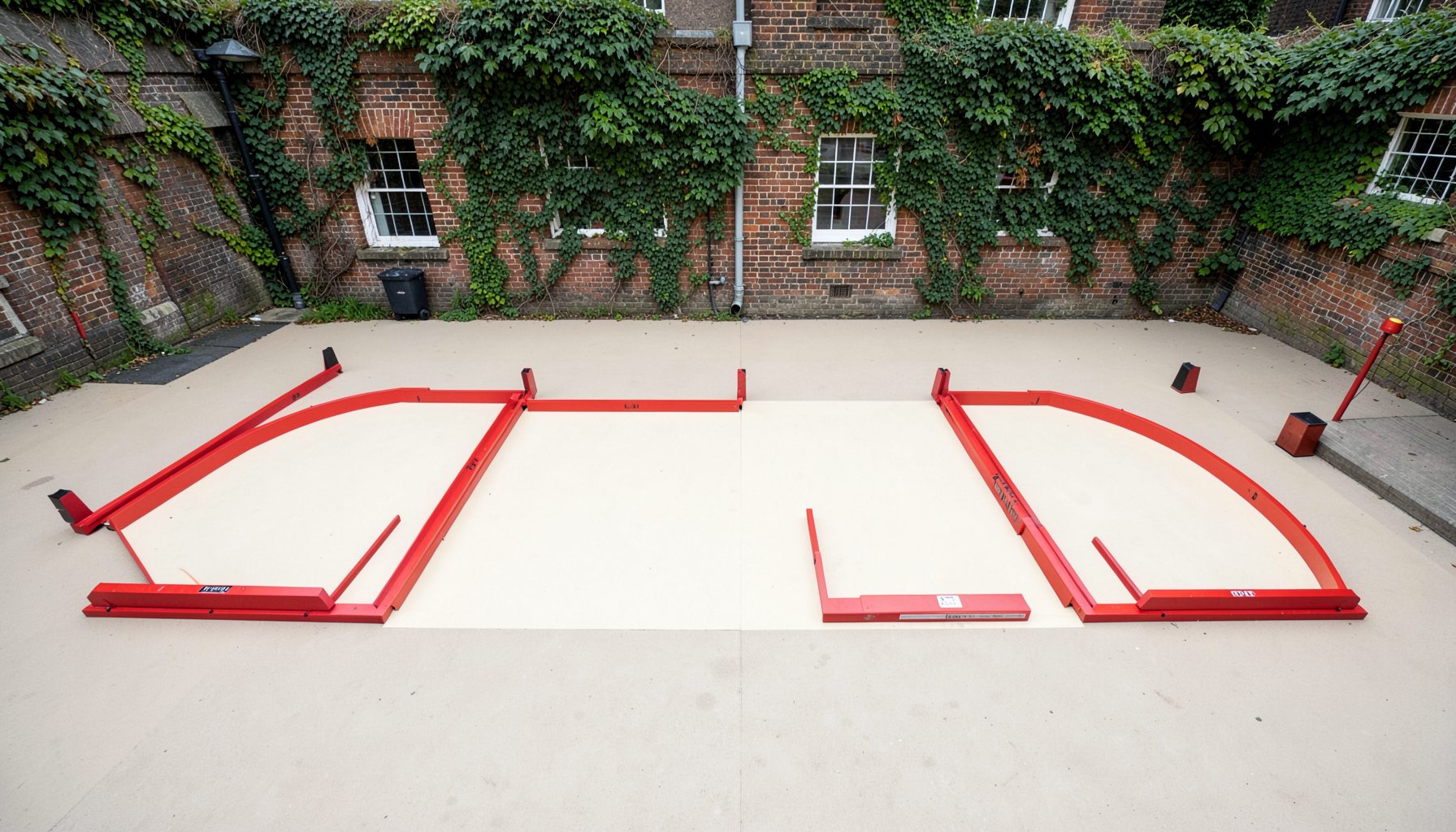
A successful Rugby Fives coach does far more than explain how to strike a ball. They help players understand space, timing, movement and partnership while creating an environment where people feel motivated to learn. The best coaches can work with beginners discovering the four-wall court and experienced competitors preparing for championships.
Rugby Fives is a fast, physical sport that rewards intelligence as much as athletic ability. Players need quick reactions, reliable footwork and the confidence to make decisions under pressure. A coach must therefore combine technical knowledge with observation, communication and a strong understanding of how individuals develop.
Within clubs, schools and community programmes, coaching also has a wider role. An effective mentor can make the sport accessible, encourage regular participation and connect players with fixtures, tournaments and the broader Rugby Fives community supported by the Rugby Fives Association.
A clear understanding of the game
Strong coaching begins with a detailed understanding of Rugby Fives. A coach should be able to explain the rules, scoring, service patterns and court dimensions in language that suits the player’s experience. Beginners often need simple demonstrations, while advanced players benefit from precise analysis of rallies and tactical choices.
Technical knowledge must extend beyond the basic hand strike. Coaches should understand how body position affects control, how pace changes the opponent’s options and how the ball can be directed into difficult spaces. They should also recognise the importance of recovery position after every shot, since a well-played ball can lose its value if the player is stranded out of position.
A good coach keeps learning. Watching competitive matches, reviewing historic results, attending coaching sessions and sharing ideas with other practitioners can sharpen their knowledge. This commitment helps coaching remain relevant across school sport, club development and high-level competition.
The ability to communicate with clarity
Players improve faster when instructions are clear, specific and easy to apply. Instead of saying that a shot was poor, an effective coach might explain that the player opened their shoulders too early or failed to move back into a central position. Useful feedback gives the player something practical to try on the next rally.
Communication also involves listening. A coach should notice whether a player is confused, anxious, tired or ready for a greater challenge. Different people absorb information in different ways, so demonstrations, short explanations, questions and repetition all have a place in a good training session.
Positive communication does not mean avoiding honest feedback. Players need to know what must change, but criticism should be balanced with encouragement and respect. When athletes trust their coach, they are more willing to attempt new tactics and recover from mistakes.
Observation and individual development
No two players move, learn or compete in exactly the same way. Some have natural speed but lack control; others read the game well but need greater confidence when attacking. A skilled Rugby Fives coach observes these differences and builds training around the individual rather than forcing everyone through an identical programme.
Observation is especially valuable during live play. A coach can identify recurring habits such as watching the ball instead of the opponent, striking while unbalanced or failing to communicate with a doubles partner. The most useful advice links the observation to a clear solution, such as adjusting court position or calling earlier during a defensive exchange.
Development should be progressive. Players need achievable challenges that build towards more demanding skills. A school beginner might work on safe movement and consistent returns, while an experienced player may focus on serving patterns, disguise or decision-making at match pace.
| Coaching quality | What it looks like in practice | Benefit to players |
|---|---|---|
| Technical knowledge | Demonstrates hand position, movement, serving and shot selection | Builds reliable fundamentals |
| Clear communication | Gives concise feedback and checks understanding | Helps players apply advice quickly |
| Tactical awareness | Explains space, tempo, positioning and partnership roles | Improves decision-making during rallies |
| Adaptability | Adjusts drills for age, experience, ability and confidence | Keeps sessions inclusive and productive |
| Encouragement | Recognises effort, progress and disciplined practice | Develops resilience and motivation |
| Organisation | Plans equipment, timings, safety and progression | Creates focused, well-managed sessions |
Tactical thinking and match preparation
Rugby Fives rewards coaches who can teach players to think ahead. A rally is shaped by the quality and direction of each shot, yet the best decision depends on the opponent’s position, the score and the player’s own recovery options. Tactical coaching helps athletes move beyond simply hitting the ball hard.
In doubles, communication and role awareness are essential. Partners must understand who is covering which area, when to switch, and how to support an attacking player without leaving an open space. A coach can use conditioned games to develop these skills, for example by rewarding a pair for creating space before finishing a rally.
Match preparation should include mental routines as well as physical drills. Players can learn how to warm up, assess opponents, manage momentum and reset after an unforced error. Reviewing fixtures and tournaments afterwards also turns competition into a learning opportunity rather than a single result.
Adaptability, inclusion and player welfare
An effective coach can change direction when a session is not working. A drill may be too difficult, a group may need more movement practice, or poor conditions may require a safer alternative. Flexibility allows the coach to protect the quality of learning without losing sight of the session’s purpose.
Inclusive coaching is equally important. Rugby Fives should welcome players across ages, backgrounds and levels of experience. Coaches can adapt court activities, pairings, explanations and workloads so that newcomers, returning players and ambitious competitors all have a meaningful role. A respectful atmosphere encourages wider participation through clubs, schools and community programmes.
Player welfare must remain central. Coaches should promote suitable warm-ups, hydration, sensible workloads and safe movement around the court. They also need to understand appropriate safeguarding practice when working with children and young people. A well-run session protects confidence and physical wellbeing alongside performance.
Organisation, patience and leadership
Preparation often determines whether a coaching session feels purposeful. A coach should arrive with a realistic plan, suitable equipment and activities that progress from simple skills to pressured play. Time should be allowed for explanation, practice, feedback and short breaks, particularly when working with younger players or large groups.
Patience is a powerful coaching quality. Skill development rarely follows a straight line, and players may need to revisit basic movement or control before they can perform reliably in competition. A patient coach maintains standards while allowing enough time for understanding and repetition.
Leadership extends beyond the court. Coaches influence club culture, encourage respect for officials and opponents, and help players become positive members of the sport. They can also inspire athletes to support junior sessions, volunteer at tournaments or represent their club in fixtures, strengthening the future of Rugby Fives.
Habits that strengthen coaching practice
Coaches who want to develop their impact can build a few consistent habits into every session:
- Set one or two clear learning goals so players know what success looks like.
- Use short demonstrations followed by active practice rather than lengthy explanations.
- Give specific feedback that describes the action, its effect and the adjustment required.
- Include decision-making games so technique transfers into real match situations.
- Review the session afterwards and record useful observations for future planning.
These habits work across different coaching environments. A volunteer leading an introductory school session can use them just as effectively as a coach preparing experienced players for national competition. Consistency matters more than elaborate equipment or complicated drills.
The strongest coaches also create links beyond their own sessions. Directing players towards club fixtures, association championships, coaching opportunities and recognised tournaments gives training a meaningful pathway. It helps athletes see how regular practice connects with participation, friendship and competitive progress.
A capable Rugby Fives coach combines knowledge, empathy, discipline and enthusiasm. They teach players how to strike the ball, read the court and work with a partner, while also helping them become confident, respectful and resilient participants.
Clubs, schools and community groups can help grow the sport by supporting coaches, sharing good practice and giving new players welcoming opportunities to play. Connect with the Rugby Fives Association to explore competitions, coaching, development programmes and ways to take part in the continuing growth of Rugby Fives across the UK.