



The Top Rugby Fives Moments From The Past Decade
The Top Rugby Fives Moments from the Past Decade have been shaped by more than final scores. Championship matches, school competitions, club renewals, inclusive coaching and the return to play after lockdown have all influenced the sport’s modern identity. Together, these moments show how Rugby Fives has protected its traditions while reaching new players.
The period from 2015 to 2025 brought greater visibility to the national competition calendar and strengthened links between clubs, schools, coaches and volunteers. Players continued to compete for national honours, while organisers worked to make fixtures, rankings and historical results easier to follow.
The most significant landmarks can therefore be viewed through several lenses: sporting excellence, participation, resilience and the long-term health of the game. Each one has helped Rugby Fives become more accessible without losing the character that makes the sport distinctive.
Championship Battles That Raised The Standard
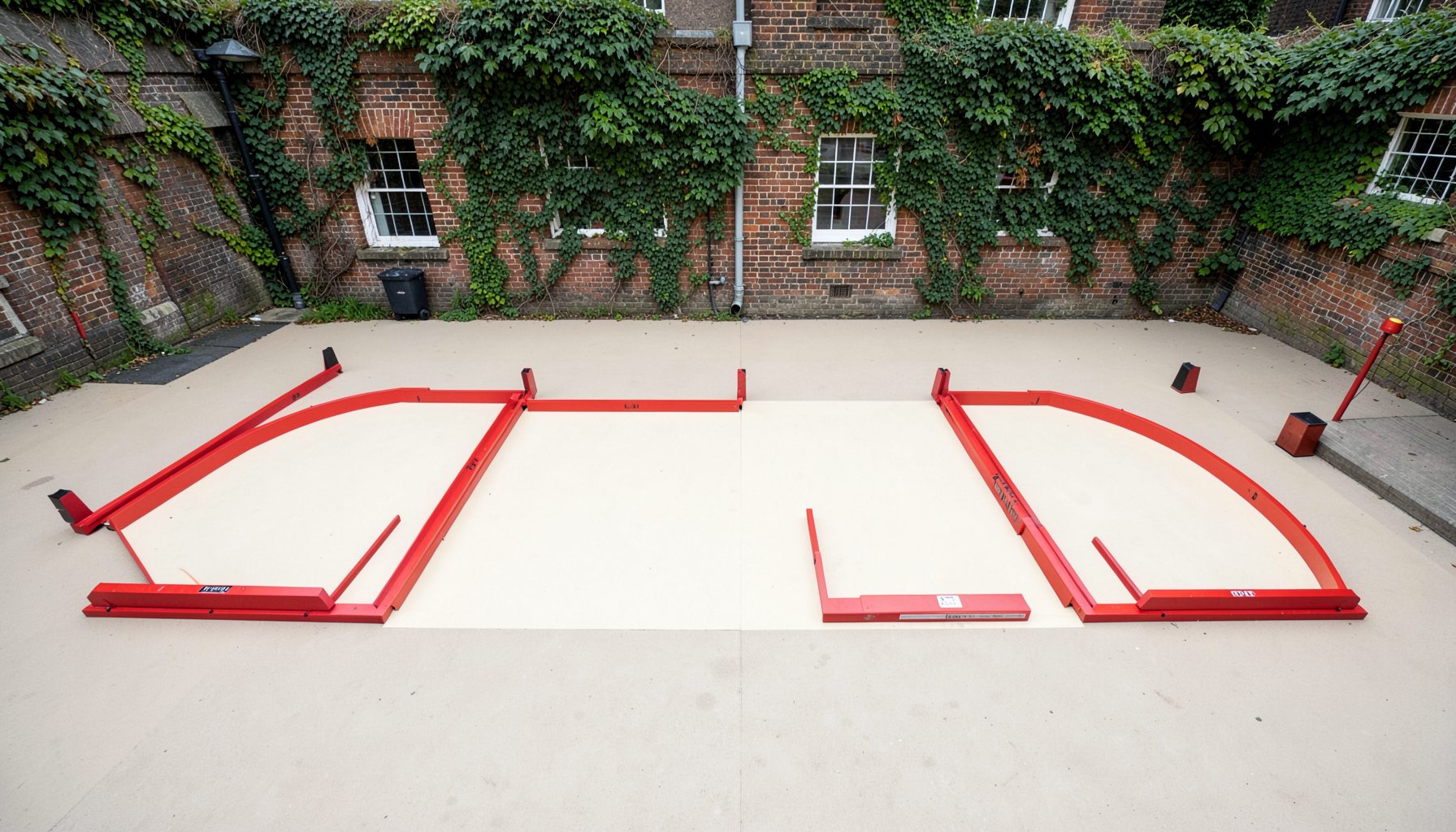
National championships and major open tournaments remain the clearest stage for elite Rugby Fives. Over the past decade, closely contested matches have displayed the sport’s blend of touch, movement, anticipation and tactical patience. A rally can change direction quickly, rewarding players who read angles and use the walls intelligently.
These events have also given younger competitors a pathway into higher-level play. Experienced players provide a demanding benchmark, while emerging athletes gain confidence by competing against opponents from different clubs and playing backgrounds. The result is a deeper competitive field rather than a narrow contest between a few familiar names.
The continuing importance of the championship circuit is measured in more than trophies. It creates regular targets for training, gives clubs a reason to maintain strong squads and helps preserve a shared national calendar. Every memorable final adds another chapter to the records that connect current players with earlier generations.
Schools Bringing Fresh Energy
School Rugby Fives has been one of the decade’s most valuable sources of growth. Coaching sessions, inter-school fixtures and introductory festivals have allowed pupils to experience the sport in a supportive setting before deciding whether to join a club. These early encounters matter because the basic skills can be learned quickly, while advanced technique develops over time.
The school environment also introduces Rugby Fives to pupils who may not see themselves in mainstream team sports. Its compact court, small-sided format and emphasis on decision-making create a different kind of sporting challenge. Teachers and coaches can adapt sessions for mixed abilities, making participation possible for beginners and experienced players together.
Every new school partnership expands the sport’s future network. Pupils who start with a taster session may later enter junior competitions, join a local club or return as volunteers and coaches. That long-term connection is one of the decade’s quieter achievements, but it may prove among the most important.
A Wider Welcome For Players
The growth of women’s and girls’ Rugby Fives has been a defining feature of recent years. More opportunities to compete, train and represent clubs have helped create a visible pathway for players at different stages. Stronger participation also raises the standard of coaching and encourages clubs to think carefully about facilities, scheduling and player development.
Inclusive activity has extended beyond gender. Community outreach and beginner-friendly events have helped reduce the sense that Rugby Fives belongs only to people who have encountered it through a particular school or institution. Clear coaching, welcoming volunteers and accessible competition formats can make a substantial difference to someone entering the sport for the first time.
This broader participation has changed the atmosphere around tournaments. A healthy sport needs varied voices, playing styles and experiences. The decade’s progress has come from treating inclusion as part of Rugby Fives development rather than as a separate project.
| Moment or development | Why it mattered | Lasting effect |
|---|---|---|
| High-level championship contests | Tested technique, fitness and tactical awareness | Raised standards across clubs |
| School festivals and coaching | Introduced pupils to the game early | Built a future player pathway |
| Women’s and girls’ participation | Expanded competitive opportunities | Strengthened the national playing base |
| Return after lockdown | Reconnected players and clubs | Restored fixtures and community |
| Digital results and records | Improved access to information | Made the sport easier to follow |
| Sustainable club initiatives | Linked participation with responsible management | Supported Rugby Fives for the long term |
The Return To Play
The interruption caused by the COVID-19 pandemic was one of the most difficult periods in the recent history of amateur sport. Courts fell quiet, fixtures were postponed and regular social contact between players disappeared. For a game built around clubs, schools and personal relationships, the disruption was felt well beyond the cancelled matches.
The return to activity became a major Rugby Fives moment in its own right. Clubs had to rebuild confidence, communicate changing arrangements and welcome players back at different levels of readiness. Coaches adjusted sessions, volunteers helped manage practical details, and competitors rediscovered the rhythm of regular play.
The first renewed fixtures carried emotional weight because they represented continuity. A normal-looking match could stand for months of work behind the scenes. Reopening courts restored more than competition; it renewed friendships, routines and a sense of belonging across the Rugby Fives community.
Digital Connections And Living Records
The past decade has also seen a stronger digital presence for the sport. Online fixture information, results, rankings, news and historical records make it easier for players and supporters to understand what is happening across the national network. This is especially useful for clubs separated by distance or operating with limited administrative resources.
Accessible information supports participation in practical ways. A prospective player can find a nearby club, a competitor can follow tournament arrangements and a volunteer can understand how events fit into the wider calendar. Digital communication also gives achievements from schools, junior events and community sessions a larger audience.
Preserving results and stories is equally important. Rugby Fives has a rich history, and careful record-keeping links today’s champions with earlier generations. When match reports, rankings and photographs remain available, the sport gains a stronger sense of identity and players can see themselves as part of an ongoing national story.
Clubs Building For The Future
A thriving club depends on more than the quality of its players. Courts need care, equipment must be maintained, fixtures require organisation and volunteers often carry much of the administrative workload. During the last decade, clubs have increasingly considered how their everyday decisions affect finances, facilities and the environment.
Practical changes can include reducing waste at events, sharing transport, using resources carefully and planning maintenance efficiently. The Rugby Fives Association’s discussion of sustainable club practices places these choices within the wider responsibility of protecting the game’s future.
Sustainability also means creating a club culture that can last. Clear volunteer roles, reliable coaching pathways and respectful behaviour help prevent burnout and keep people involved. When a club is well organised and welcoming, it becomes easier to attract juniors, retain adults and support ambitious competitors.
Moments Worth Carrying Forward
The decade’s strongest achievements point towards a balanced model of growth. Competitive excellence gives the sport visibility, schools provide new participants, inclusive programmes widen access and strong clubs turn interest into lasting involvement. None of these areas can thrive alone.
For the next generation, several priorities deserve continued attention:
- Protect regular national championships, open tournaments and junior fixtures.
- Expand school links with coaching that welcomes complete beginners.
- Support women’s, girls’ and inclusive competitions across the calendar.
- Preserve accurate results, rankings, photographs and historical records.
- Help clubs share practical ideas for volunteering, facilities and sustainability.
These priorities connect the memorable moments of the past ten years with the opportunities ahead. A dramatic match may be remembered immediately, but a new coaching pathway or a volunteer-led club renewal can influence the sport for decades.
Rugby Fives now has a strong foundation of players, schools, clubs and supporters ready to carry that work forward. Follow the Association’s competitions and news, take part in a local session, volunteer at an event or introduce someone new to the court. The next defining moment may begin with a first rally.