



Playing Rugby Fives in tight quarters demands real skill
Rugby Fives thrives on the rhythm between two players, the geometry of the walls and the bounce of a hardened ball. The court itself shapes the contest in ways that many newcomers underestimate. Every line, every angle and every metre of headroom influences how a rally unfolds. When that space shrinks, the rhythm changes dramatically.
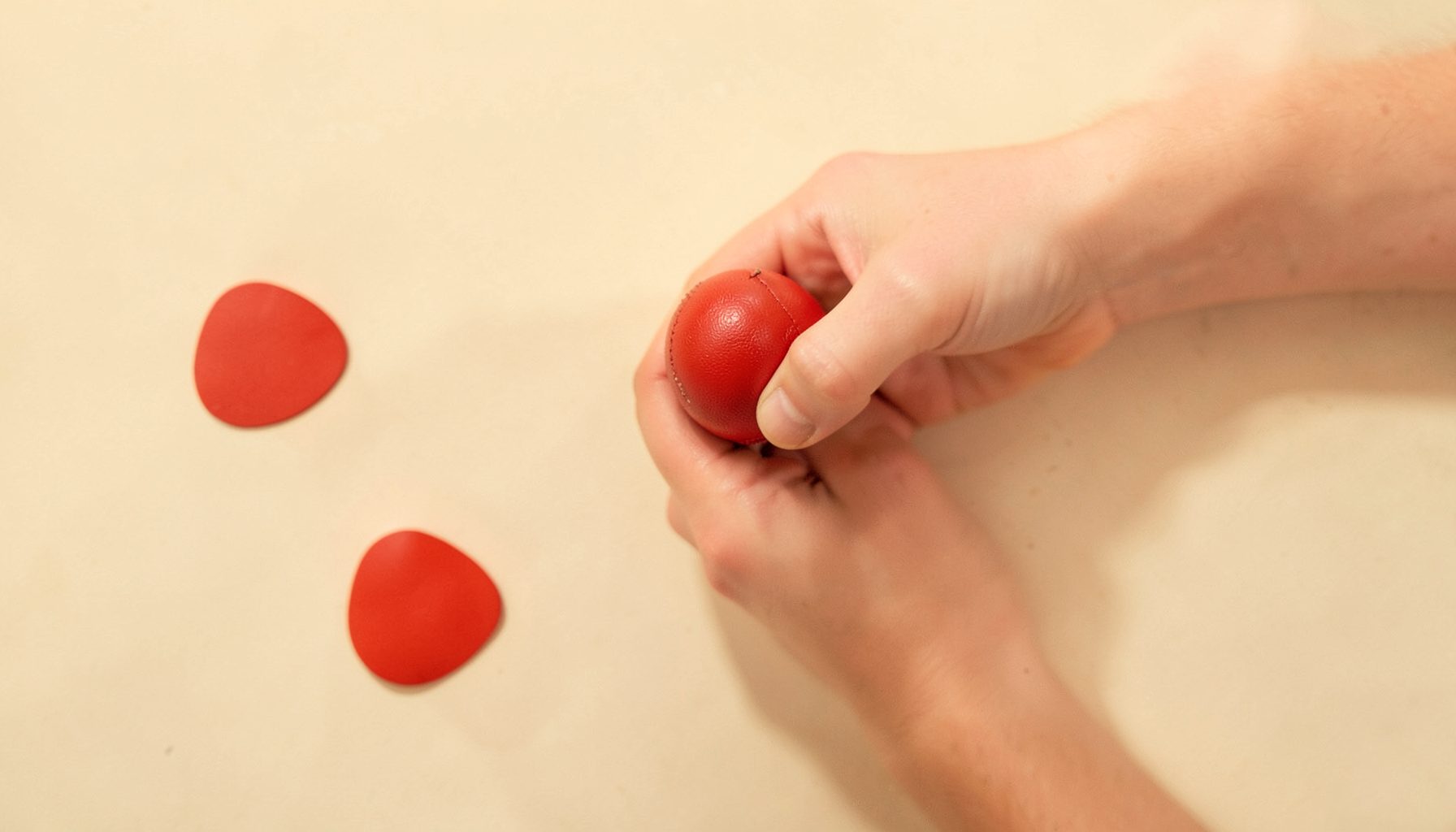
Players who arrive from sports like squash or handball often assume their reactions will translate. In practice, the Rugby Fives ball behaves differently, the walls rebound at distinctive angles and the absence of a back wall in some venues creates a tactical puzzle that few other racket sports demand. Small courts compress that puzzle into an even more demanding form.
In Australia, the sport remains a quiet curiosity. Most dedicated Rugby Fives courts are found in heritage schools or converted spaces, and players often have to travel from suburbs like Parramatta or Geelong to reach one. That scarcity makes the experience of squeezing into a tighter space an everyday reality rather than an occasional exercise. Local clubs sometimes share venues with squash courts in Sydney's eastern suburbs or community centres in inner Melbourne, where the lines are redrawn and the rules bent to suit the floor.
This piece explores the physical, technical and mental adjustments required when the court shrinks, and how Australian players are quietly building a community around the challenge.
Court geometry and ball behaviour
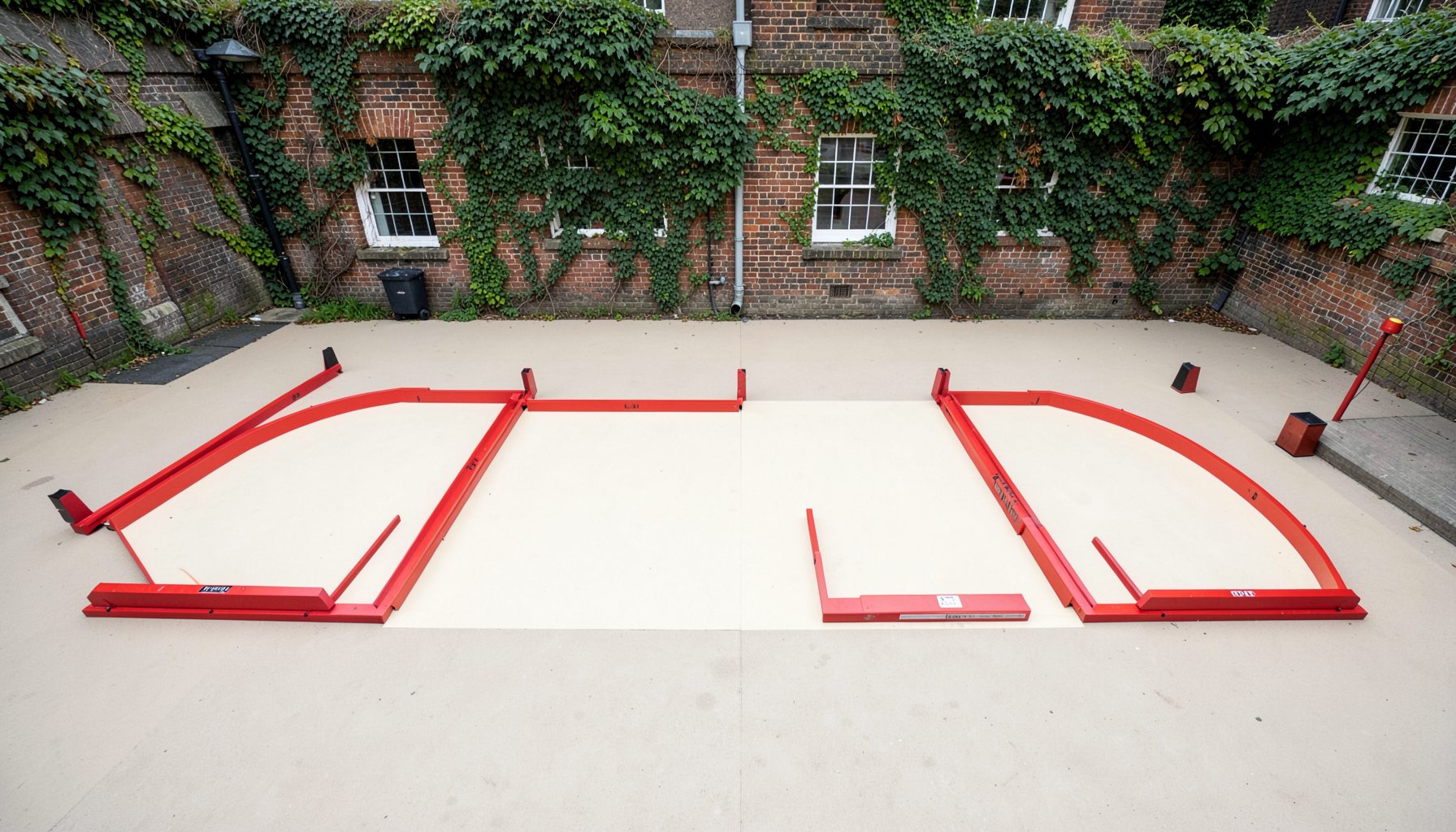
A standard Rugby Fives court offers generous height and a depth that allows the ball to travel in long, lazy arcs. When the court is smaller, those arcs compress. Players find that the ball arrives faster, climbs more sharply and drops with less warning. The famous butterfly shot that loops gently in a full-sized court becomes a snap strike in tight quarters.
Walls also behave differently. A short court reduces the run-up area for the ball, meaning it loses speed before reaching the front wall. Players accustomed to powerful drives must recalibrate their muscle memory. In many converted venues around Brisbane and Adelaide, the side walls are closer than regulation, which forces a steeper angle on returns and rewards players who can place the ball rather than simply blast it.
The ceiling, when present, adds another variable. Some Australian venues use older buildings with lower roofs, which makes lobs a risky proposition. A ball that would sail harmlessly overhead in an open court may now strike a beam and rebound into the striker's path. Reading these surfaces becomes as important as reading the opponent.
Footwork and body positioning
Small courts punish lazy footwork. In an open space, a player can afford to take two or three recovery steps after every shot. In a tight space, those steps simply do not exist. The body must rotate, pivot and shuffle within centimetres of the walls. Players develop a tighter stance, weight forward, knees slightly bent, ready to spring in any direction.
This shift in footwork has a cascading effect on stroke production. The shoulder turn becomes smaller, the backswing shorter, and the follow-through often interrupted by a wall. Players who learn the game on smaller courts tend to develop a more compact, efficient technique. Those moving from a larger space must unlearn habits that served them well elsewhere.
Australian players who train at community halls in places like Fremantle or Newtown often find that the floor surface is not the polished timber of a heritage English court. Concrete, vinyl or even rubberised surfaces change the bounce and demand a slightly different approach to footing. Quick adjustments during rallies become a habit rather than an exception.
Reaction time and visual tracking
Visual tracking is one of the most overlooked skills in Rugby Fives, and small courts magnify it. The ball travels faster relative to the space, leaving less margin for error. Players must read the opponent's body language, the angle of the racquet and the trajectory of the ball almost simultaneously. The brain processes these cues in fractions of a second.
In larger courts, players can rely on peripheral vision to track the ball. In tight courts, the focus narrows. Eyes follow the ball intensely, and the head turns more frequently to check the position of the opponent. This constant scanning can be tiring, and many Australian coaches recommend specific eye-tracking drills to build endurance.
Reaction time training becomes crucial. Simple ball-drop exercises, where a partner drops a ball from shoulder height and the player must catch it before a second bounce, are popular among junior squads in Sydney's northern beaches. These drills build the reflexes needed when the court compresses every exchange into a heartbeat.
Shot selection in confined spaces
Shot selection shifts dramatically when space is limited. The aggressive drive that wins points on a full court may simply hand the opponent an easy counter in a smaller space. Instead, players learn to value placement over power. Drop shots, angled returns and soft hands become the currency of tight-court rallies.
The lob takes on new importance too. A well-placed lob can buy precious seconds, force the opponent back and reset the rally. But a mistimed lob in a low-ceiling venue can be catastrophic. Players learn to read each court individually, adjusting their shot range based on the dimensions they face.
Australian club nights often involve rotating between courts of different sizes, which forces players to adapt continuously. One round might be played on a heritage-sized court in a school gym in Hawthorn, the next on a converted squash court in Leichhardt. Players who can adjust their shot selection on the fly gain a clear advantage.
Endurance and conditioning
Small courts may seem easier on the legs because there is less ground to cover, but the opposite is often true. The constant short bursts, the rapid changes of direction and the high concentration required all drain energy quickly. Matches on tight courts frequently feel more exhausting than those played in open spaces.
Interval training becomes essential. Australian fitness culture already embraces high-intensity work, from the running clubs that meet along the Yarra River to the boot camps on Bondi Beach. Many Rugby Fives players borrow these approaches, layering sprints, plyometrics and agility drills into their weekly routines.
Hydration is another consideration. Australia's climate can be unforgiving, especially in non-air-conditioned community halls during summer. Players who train in Adelaide or Perth must plan for heat management even indoors. Simple measures like pre-cooling, breathable kit and regular water breaks make a measurable difference in performance and recovery.
Mental focus and court awareness
The mental game in a small court is relentless. With the opponent so close, every small lapse is exposed. The margin for tactical mistakes shrinks, and players must maintain focus from the first point to the last. A lapse of concentration for a single rally can change the outcome of a match.
Court awareness becomes a defining trait. Players learn to sense the walls behind them, to feel the line of the floor without looking and to anticipate where the ball will land based on the angle of the strike. This proprioceptive skill takes months to develop but becomes second nature with practice.
Australian players often mention the social side of the sport when discussing mental focus. The camaraderie of club nights in places like Fitzroy or Surry Hills helps players stay relaxed between points. That relaxed mindset carries onto the court, where tension often costs more than technique ever does.
Adapting clubs and community spaces
Across Australia, the growth of Rugby Fives depends on creative use of available spaces. Clubs have converted old cricket nets, repurposed squash courts and negotiated shared access with badminton groups. Each conversion introduces new quirks that players must learn to navigate, and venue operators must also meet their obligations under state-based work health and safety laws that govern community sporting facilities.
Local councils have been quietly supportive. In Victoria, several councils have included emerging sports in their community recreation plans, opening doors to grants and facility access. The Australian Sports Commission's participation programs also recognise sports like Rugby Fives as part of a broader effort to broaden the country's sporting base.
Inclusive participation is a particular focus. Many Australian clubs have introduced modified equipment and adapted rules to welcome players of all ages and abilities. The result is a welcoming environment where newcomers can experience the unique challenges of tight-court play without feeling out of place.
| Aspect | Standard court | Small court |
|---|---|---|
| Rally pace | Slower, longer exchanges | Faster, compressed exchanges |
| Shot selection | Drives and lobs common | Placement and angles dominant |
| Footwork | Wider recovery steps | Compact pivots and shuffles |
| Mental load | Strategic, with breathing room | Intense, continuous focus |
| Endurance demand | Sustained bursts | Repeated high-intensity micro-bursts |
| Wall behaviour | Predictable rebounds | Variable, tight angles |
| Equipment fit | Standard gear works well | May need lighter racquet or softer ball |
Players keen to experience Rugby Fives in Australia can reach out to the Rugby Fives Association for guidance on the nearest court, club night or introductory session. Whether you are stepping onto a heritage court for the first time or adapting to a tighter community space, the association welcomes new players and offers resources for coaches, schools and volunteers. Reach out today and discover how the challenge of a small court can sharpen every part of your game.