



The Value Of Preserving Historic Rugby Fives Clubs
Historic Rugby Fives clubs are more than old courts, membership lists and photographs. They are places where sporting knowledge, local identity and personal relationships have accumulated over decades. Preserving them protects a distinctive part of racquet-sport history while giving future players a stronger foundation for participation.
For Australian readers, the story has particular relevance. Rugby Fives may be less familiar here than tennis, squash or Australian Rules football, yet its compact courts, low equipment costs and emphasis on skill can suit schools, community groups and former racquet-sport players. Understanding how historic clubs survive in the United Kingdom can help Australian organisations consider their own sporting heritage.
Clubs As Living Sporting Archives
A historic club records far more than match results. Its fixture cards, trophies, coaching notes, photographs and handwritten membership books reveal how the sport developed and how communities changed around it. These records can show which schools produced players, how women’s participation expanded, and how local competitions connected distant towns.
Keeping those materials together gives researchers and players a reliable account of Rugby Fives. Digital copies are valuable, though the original context matters. A scorebook stored with club rules, court plans and correspondence can explain decisions that a single scanned page cannot.
A preserved archive can also strengthen public engagement. Displays at championships, school sessions or open days allow newcomers to see that the sport has a continuing story. History becomes a practical recruiting tool rather than a private collection of nostalgia.
Courts That Carry Memory
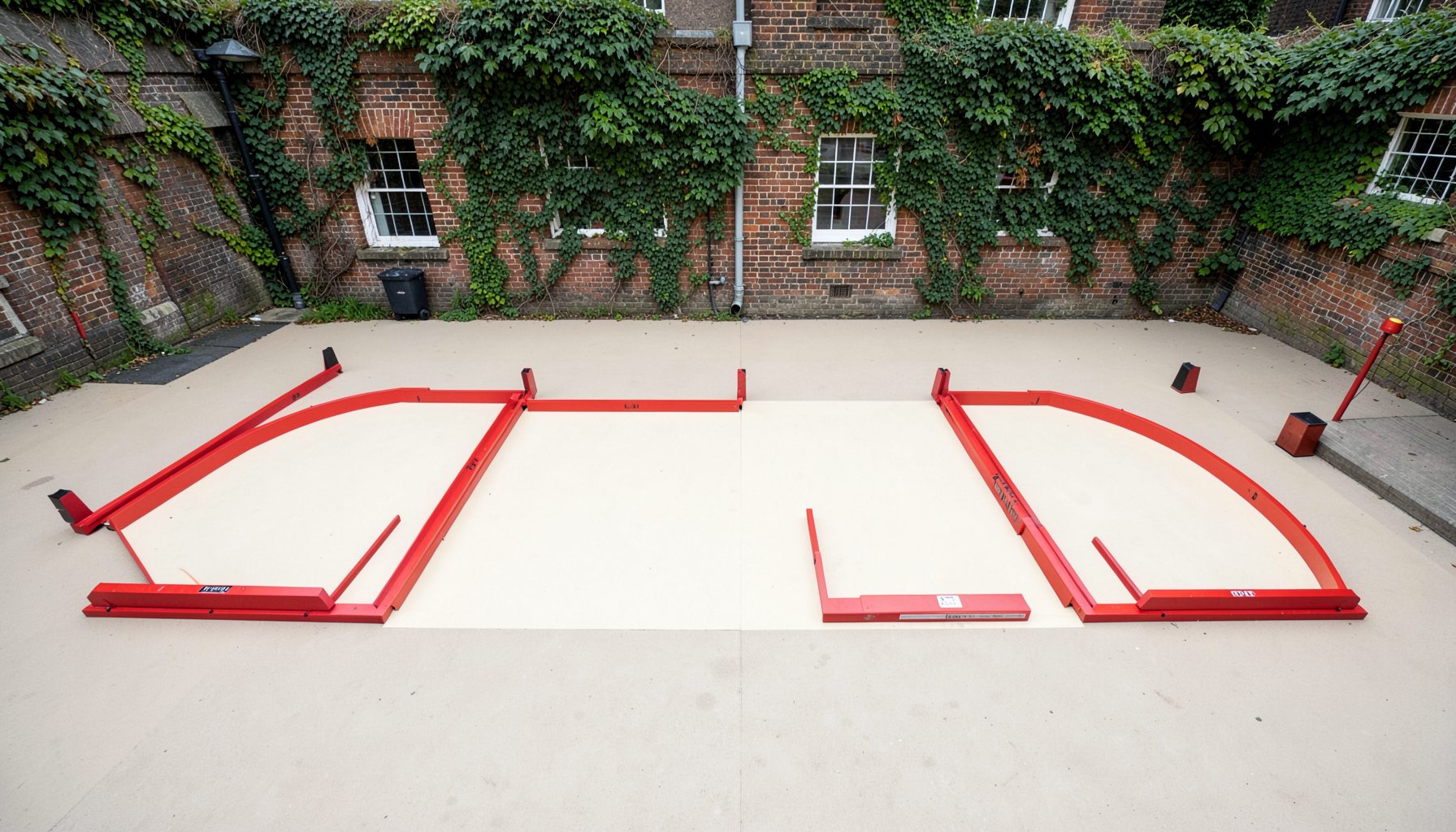
The court is often the most important historic object. Its dimensions, wall surfaces, lighting and surrounding spaces reflect earlier standards of play and the practical choices made by builders and volunteers. Players learn the character of a court through its rebounds, angles and pace, creating a physical connection between generations.
Buildings also carry social memories. A changing room may recall club dinners, a gallery may mark a famous final, and a noticeboard may preserve decades of fixtures. When a court is demolished or substantially altered, these layers can disappear even if a club’s name remains.
Preservation does not require every facility to remain untouched. Careful maintenance, safer access, energy upgrades and improved lighting can support modern use while respecting historic features. The best approach treats the building as a working sporting asset, rather than a museum that can no longer welcome players.
Knowledge Passed Through Players
Rugby Fives depends on timing, positioning, touch and anticipation. These skills are difficult to learn from written instructions alone. Experienced players explain how to read a rebound, construct a rally and adapt to different court conditions. Historic clubs provide the relationships through which that knowledge is transmitted.
Older members also carry stories about etiquette, volunteering and competition. They know how fixtures were organised, how junior players were encouraged and how clubs responded when facilities or funding were scarce. Recording these experiences can help coaches develop training that reflects the sport’s real traditions.
Intergenerational activity has value beyond performance. A school student playing alongside a veteran gains confidence and perspective, while an older participant remains connected to an active community. Clubs that make room for both groups create a stronger pathway from first session to long-term involvement.
Belonging And Community Resilience
A club’s identity is built through repeated, ordinary actions: unlocking the court, preparing tea, marking fixtures and welcoming a new player. These habits form a dependable social network. When a historic club closes, a community can lose a meeting place as well as a sports facility.
This matters in Australia, where many people organise exercise around early mornings, work commutes and weekend family schedules. A small, well-run club can offer an accessible activity close to home, particularly when large sports grounds or specialist facilities are difficult to reach. Regular sessions can create belonging without demanding a full competitive commitment.
Preservation also supports inclusive participation. Clear codes of conduct, accessible booking systems, junior safeguarding procedures and welcoming coaching reduce barriers for women, people with disability, migrants and players returning to sport. Heritage has greater public value when it is open to the next generation rather than reserved for established members.
A Network Stronger Than A Single Club
Historic clubs benefit from sharing records, coaching resources and practical experience through a national governing body. Fixtures, rankings and results become more meaningful when they are connected to a consistent historical record. A club’s achievements then form part of a wider national narrative.
This network is especially important where the player base is small or geographically dispersed. Australian enthusiasts may live in Sydney, Melbourne, Brisbane or regional centres without a nearby Rugby Fives club. Online coaching material, archived match reports and visiting-player events can help maintain interest while local participation develops.
The UK experience also offers a model for Australian growth. Schools, universities, squash venues and community recreation centres may provide suitable places for demonstrations or introductory sessions. Partnerships can test demand before a group commits to a permanent court, while historic club knowledge ensures that expansion remains faithful to the sport’s character.
What Preservation Means In Australia
Australian sporting heritage operates within a practical legal and financial setting. State and territory heritage registers, local council planning rules and community grant programmes can affect how an old sporting building is repaired or adapted. A club considering major work should document its history early and discuss the project with the relevant council or heritage adviser.
The local market also shapes decisions. Construction costs, insurance premiums, land values and commercial venue rents can make a dedicated court difficult to sustain. In some areas, underused squash facilities or school buildings may provide an economical partnership opportunity, especially when several groups share maintenance and booking responsibilities.
Climate and everyday use require attention. Heat in Brisbane, damp conditions in parts of Melbourne and intense summer temperatures in western Sydney can affect ventilation, wall surfaces and playing schedules. Energy-efficient lighting, shade, safe hydration points and sensible session times can protect both the building and its users.
Australian sport is strongly connected to schools and community clubs. A historic Rugby Fives organisation can work with school sport coordinators, university recreation departments and local multicultural associations to run short programmes. Linking the activity to existing health, physical education and after-school routines makes preservation a living investment rather than a purely commemorative exercise.
Turning History Into Action
Preservation begins with an audit. Clubs can catalogue trophies, minute books, photographs, court plans and oral histories, then store copies in secure digital formats with clear file names and dates. A simple register helps future volunteers understand what exists and where original materials are held.
The next step is to identify the people who can use the history. Coaches may need old tactical notes, schools may want a short timeline, and councils may require evidence of community significance. Presenting information in several forms—online collections, exhibitions, coaching sessions and anniversary events—keeps the archive active.
The choices below show how different approaches affect the future of a historic club:
| Approach | Immediate Benefit | Long-Term Effect |
|---|---|---|
| Store records privately | Low cost and little administration | Knowledge may be lost when volunteers move on |
| Digitise selected material | Easier access for players and researchers | Creates a durable educational resource |
| Maintain the court for regular use | Protects skills, routines and community ties | Keeps heritage relevant and financially active |
| Adapt the facility carefully | Improves safety, access and operating efficiency | Balances modern participation with historic character |
| Partner with schools and community groups | Expands awareness and participation | Builds a broader base for future funding and volunteers |
A preserved club needs committed people as much as preserved objects. Volunteers can interview former players, organise open days, seek grants, maintain fixtures and explain the sport to newcomers. The Rugby Fives Association can support this work by connecting clubs, schools, coaches and historians across the national network.
Australian sporting organisations, schools, venue operators and community volunteers can help protect this heritage by recording local stories, supporting visiting players and making space for introductory sessions. Contact the Rugby Fives Association to explore archives, competitions, coaching opportunities and ways to bring Rugby Fives to a new generation.