



Ten Health Benefits Of Playing Rugby Fives
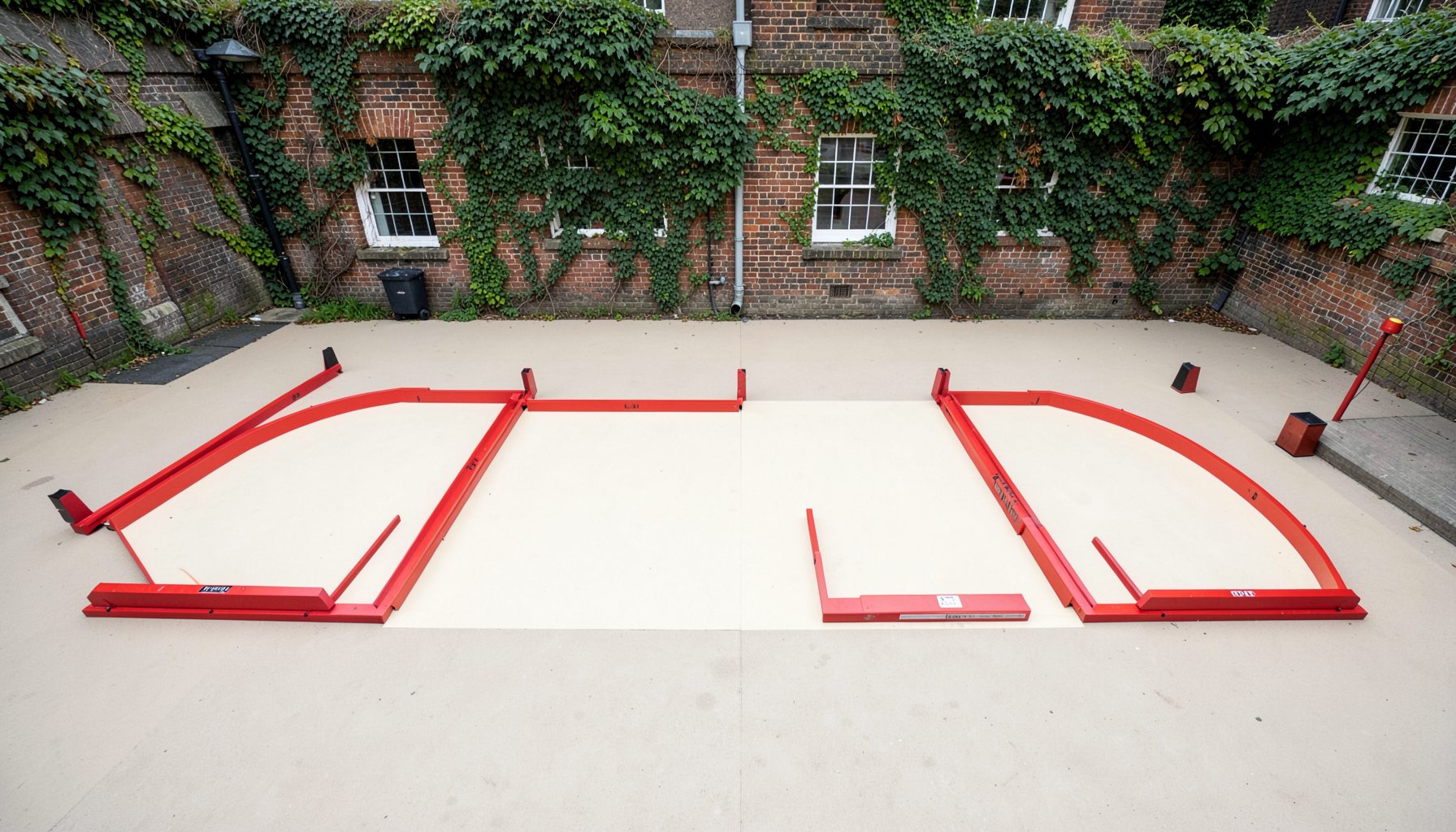
Rugby Fives is a fast, skillful wall-ball sport that combines movement, timing, concentration, and repeated short bursts of effort. Played in a four-walled court, it requires players to react quickly, strike the ball with their hands, and recover into position before the next shot arrives.
This compact format makes Rugby Fives suitable for a wide range of ages and abilities. A session can be demanding enough to develop cardiovascular fitness, yet flexible enough for beginners to learn at a comfortable pace. Players can also enjoy singles or doubles, recreational games or competitive fixtures.
The health benefits extend beyond physical conditioning. Regular play can support coordination, mental alertness, confidence, and social wellbeing. Because the game is adaptable and equipment requirements are limited, it offers an accessible route into an active lifestyle.
Builds Cardiovascular Fitness
Rugby Fives repeatedly raises the heart rate through short sprints, lunges, changes of direction, and quick recoveries. Although a rally may last only a brief time, games create a pattern of repeated high-intensity efforts. This resembles interval training, which can help improve aerobic capacity and the body’s ability to recover after exertion.
With regular participation, players may find that everyday activities such as climbing stairs, walking briskly, or carrying equipment feel easier. Improved cardiovascular fitness also supports circulation and energy levels. The exact benefit depends on playing intensity, match length, current fitness, and how consistently someone trains.
The court encourages continuous involvement because the ball can rebound from several walls. Players are rarely standing still for long, so even a recreational session can provide meaningful movement compared with more sedentary leisure activities.
Improves Agility And Reaction Speed
A Rugby Fives player must read the ball’s angle, speed, height, and rebound before choosing a response. This develops visual tracking and reaction time while demanding rapid footwork. Small adjustments can make the difference between reaching a shot comfortably and missing it altogether.
Lateral movement, forward acceleration, backward recovery, and sudden stopping all contribute to agility. These actions challenge balance and body control in several directions rather than training movement along a straight line. Over time, players can become more confident when changing direction quickly.
The sport also trains anticipation. Experienced players begin to recognise patterns in an opponent’s body position and shot selection. This combination of perception and movement can make coordination sharper during sport and other active pursuits.
Develops Strength, Balance, And Mobility
Rugby Fives uses the legs, hips, core, shoulders, arms, and hands. Players bend low to return a ball, push off the floor to reach a wide shot, and stabilise the trunk while striking. The repeated movements build functional strength through dynamic, sport-specific actions.
Lunges and low defensive positions engage the thighs and glutes, while quick recoveries challenge the calves and ankles. Rotational movements involve the torso, and controlled reaching helps develop shoulder stability. The game does not replace a well-rounded strength programme, but it can complement one by making movement enjoyable and purposeful.
Balance is equally important. Players often hit the ball while stretched, turning, or moving at speed. Regular practice can improve proprioception, the body’s awareness of its position in space, which may support more confident and controlled movement.
| Health area | How Rugby Fives contributes | Helpful training habit |
|---|---|---|
| Cardiovascular fitness | Repeated rallies raise the heart rate and train recovery | Play sustained games with short rest periods |
| Agility | Quick changes of direction develop foot speed and movement control | Practise shadow footwork and corner recoveries |
| Coordination | Tracking and striking a moving ball link vision with hand movement | Use target drills at different heights |
| Muscular endurance | Lunges, reaches, and repeated shots challenge the legs and upper body | Build gradually with regular sessions |
| Mental wellbeing | Focused play can reduce inactivity and provide social connection | Join a club or attend coached sessions |
Sharpens Focus And Mental Agility
Each rally presents a small decision-making problem. Players must assess where the ball will travel, select a shot, control its pace, and prepare for the next return. This sustained attention can make a session mentally engaging as well as physically challenging.
Rugby Fives also rewards patience and tactical awareness. A powerful strike is not always the best option; placing the ball accurately or changing its height may create a better opportunity. Learning to choose under pressure develops concentration and encourages players to think several movements ahead.
This mental engagement can make exercise feel less repetitive. When people enjoy an activity and remain absorbed in it, they may be more likely to play regularly. Consistency is important because many fitness and wellbeing benefits depend on maintaining an active routine over time.
Supports Mood And Social Wellbeing
Physical activity can contribute to improved mood by providing a healthy break from work, study, and screen time. The combination of exertion, concentration, and achievement may help players feel refreshed after a session. Learning a new shot or completing a demanding rally can also build confidence.
The social setting adds another layer of benefit. Doubles games require communication, trust, and shared tactical decisions, while club sessions create opportunities to meet people with similar interests. Friendly competition can provide motivation without making every session feel like formal training.
Rugby Fives welcomes a broad mix of participants, including school pupils, adult beginners, experienced competitors, coaches, and volunteers. Players who want information about local opportunities or organised activity can contact the Association for guidance on getting involved.
Encourages Lifelong Active Participation
A major benefit of Rugby Fives is its adaptability. New players can begin with simple hand-eye coordination exercises and controlled rallies, while experienced athletes can work on speed, tactics, and match fitness. Sessions can be adjusted according to age, confidence, mobility, and goals.
The sport can also be played in different formats. Singles may provide a demanding full-court workout, whereas doubles can spread movement across two players and emphasise teamwork. Coaching, school programmes, tournaments, and recreational fixtures offer different routes into participation.
Because the game requires relatively little personal equipment, the practical barrier to starting can be low. Players generally need suitable clothing, indoor footwear, and access to a court. A gradual warm-up, sensible hydration, and attention to technique can help reduce avoidable strain, especially for people returning to exercise.
Builds Healthy Habits Through Enjoyment
Exercise is easier to sustain when it feels purposeful and enjoyable. Rugby Fives gives players clear goals within every rally: reach the ball, make a controlled return, recover position, and outmanoeuvre an opponent. That immediate feedback can be more motivating than an isolated workout.
Regular sessions can encourage other healthy behaviours too. Players may become more aware of warm-ups, recovery, sleep, hydration, and balanced nutrition as they seek to perform well. These habits should develop progressively rather than through sudden increases in training volume.
A consistent schedule is usually more valuable than occasional intense play. Beginners can start with manageable sessions and add duration or frequency as their fitness improves. Anyone with a health condition, injury, or long period of inactivity should seek appropriate professional advice before beginning vigorous exercise.
Practical Ways To Gain More From Sessions
- Warm up with gentle jogging, mobility exercises, and easy hand-ball drills before competitive rallies.
- Practise footwork and recovery positions as well as striking technique.
- Increase playing time gradually, allowing rest between demanding sessions.
- Use doubles games to develop communication while sharing court coverage.
- Record simple goals, such as completing longer rallies or improving movement to a particular corner.
Rugby Fives brings together cardiovascular exercise, muscular movement, coordination, focus, and connection with other people. Its varied pace keeps the body working and the mind involved, while its adaptable format makes regular participation realistic for many communities.
Find a nearby club, coaching session, school programme, or competition through the Rugby Fives network, and make your next active session the start of a healthier routine.