



Your First Rugby Fives Tournament A Practical Guide for New Players
Rugby Fives is one of those rare sports where a complete novice can share a court with a seasoned campaigner and find themselves genuinely competitive within an afternoon. The hand-ball game traces its modern form to the public schools of nineteenth-century England, but it has long since outgrown those cloisters and now thrives in community clubs, universities, and a growing network of Australian facilities. The sport rewards anticipation, soft hands, and a willingness to keep the ball alive rather than blast it past your opponent.
If you have signed up for a tournament for the first time, the weeks beforehand can feel oddly quiet. There is no major kit list, no costly equipment, and the court itself is more compact than a tennis netball or a squash court. What the sport demands instead is a willingness to learn by doing, to listen to older players, and to accept that the first tournament is really a paid lesson in etiquette as much as anything else. This guide walks through what tends to happen, from the moment you arrive to the final handshake of the day.
The Court, the Ball and the Kit
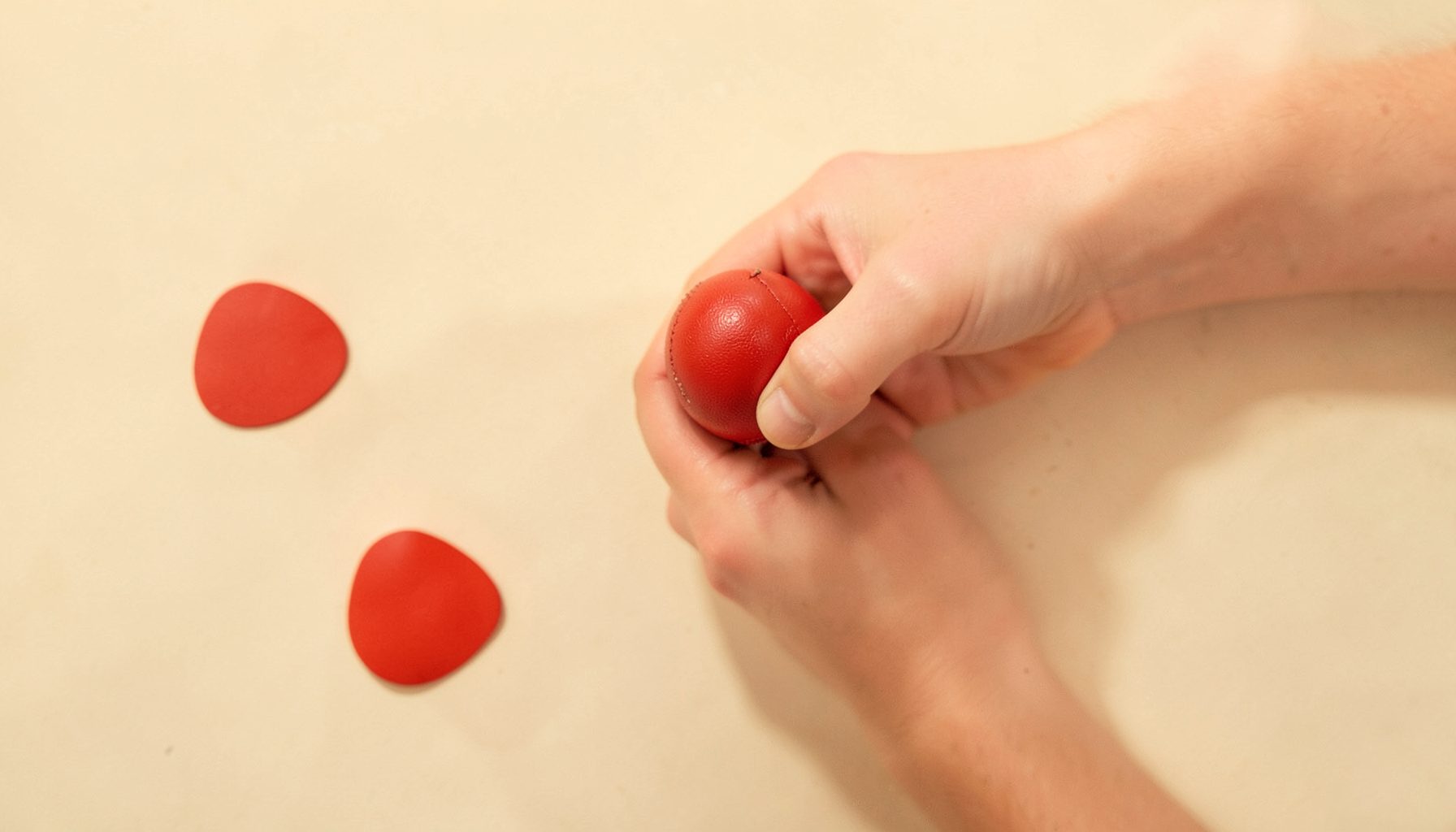
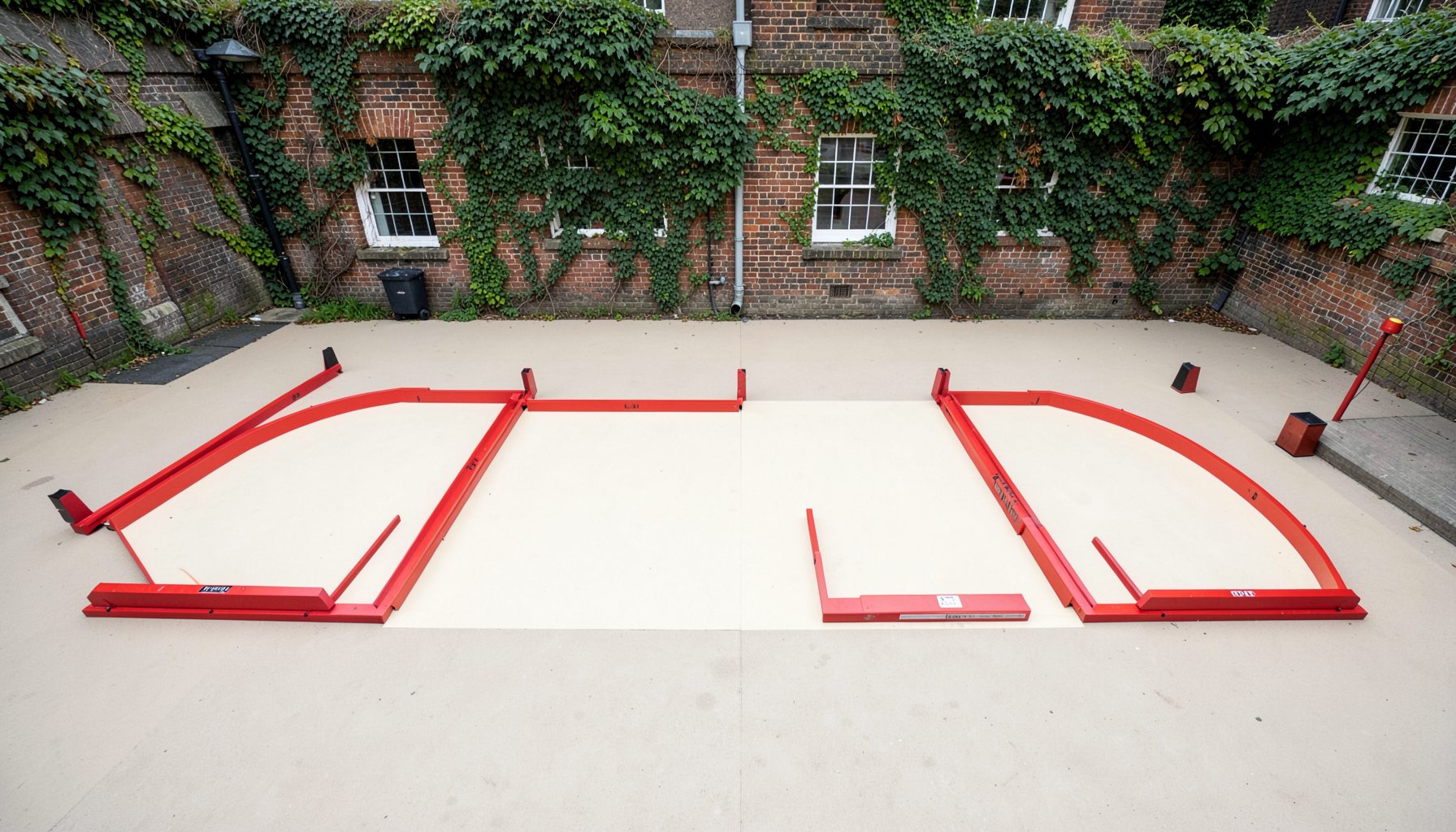
The playing area is a four-walled court with a buttress on the left-hand side, designed to add a layer of angles that beginners quickly learn to read. The ball is small, slightly softer than a tennis ball, and you hit it with your hands alone, gloves optional. Most players wear non-marking court shoes, breathable shorts or a skirt, and a polo or plain shirt. Many Australian players, especially those coming through Brisbane clubs and the Sydney school circuit, also keep a microfibre towel and a spare shirt on hand for the long summer afternoons.
If you have played a related racket or ball sport, the comparison table below gives a rough sense of how Rugby Fives sits alongside its nearest cousins.
| Sport | Playing Area | Hand or Racket | Wall Use | Typical Match Length |
|---|---|---|---|---|
| Rugby Fives | 4-wall court with buttress | Hands only, gloves optional | All four walls plus buttress | 15 to 45 minutes |
| Eton Fives | 3-wall court with step and buttress | Hands only | Three walls | 15 to 30 minutes |
| Squash | 4-wall enclosed court | Racket | All four walls | 20 to 45 minutes |
| Racquetball | 4-wall enclosed court | Racket | All four walls | 20 to 30 minutes |
The takeaway is that the court is smaller than a squash court and you are using bare hands rather than a racket, which changes everything from footwork to shot choice. A light touch counts for far more than raw power, and a ball that bounces twice is simply out.
Format, Scoring and Match Etiquette
Tournaments are usually run in a round-robin group stage followed by knockout rounds, with plate and cup draws so that every player leaves with several matches under their belt. The standard scoring is 15 points to win a game, best of three or five depending on the competition, with tie-breaks at 10-all if the event uses them. You will hear the terms set and game used interchangeably by older players, which is one of those small linguistic quirks worth picking up before your first match.
Etiquette matters more than newcomers expect. You call your own faults, applaud a good rally from your opponent, and chase the ball yourself when it rebounds into the gallery. Referees are common in knockout rounds and championship matches, but the early rounds are often self-officiated, which builds a culture of fair play that seasoned players take seriously. If you are unsure about a call, the convention is to offer the point to your opponent, then chat through the rule together after the game. This kind of mutual respect is one of the older traditions of the sport and travels well across hemispheres.
Tournament Day Logistics
Most Australian events are held on weekends to suit club and school calendars, with check-in usually opening around 9am and the first matches beginning half an hour later. You will be given a schedule card with your block, court, and opponent, along with a number for the draw. Bring water, a snack, and a willingness to watch between your own games, because the social side of the day is half the experience.
Venues vary. Some tournaments take place at historic schools that still maintain their original courts, such as those attached to long-running programs in the eastern states, while others use community centres and university halls. Public transport is straightforward in cities like Melbourne and Sydney, though if you are heading to a regional event in places such as Geelong or the Perth foothills you may want to plan a lift with a fellow player. Many first-timers find that offering to help set up or pack down courts at the end of the day is the fastest way to be welcomed back next year.
The Community You Will Meet
The Rugby Fives community is unusually welcoming to newcomers, partly because the player pool is small enough that everyone recognises one another within a season. You will meet coaches, parents, alumni, and a steady stream of adult beginners who picked the sport up at university and have not looked back. The age range is wide, with juniors, open players, and veterans competing in different draws, which means you will rarely feel out of place regardless of your background.
Aussie club culture leans heavily on the barbecue, the shared lunch, and a relaxed post-match debrief in the clubroom. If you are playing at a metropolitan club, expect someone to put on a kettle and crack open a packet of biscuits between rounds. If you are travelling to a regional event, you might be invited back to someone's place for dinner, which is part of how the national circuit has knitted itself together over the years. Many Australian players first came to the sport through school programs in places like Brisbane, Hobart, and Adelaide, and the same networks still run coaching sessions and come-and-try days for adults.
After the Final Whistle
When the tournament wraps up, take a moment to thank the organiser and your last opponent, then stay for the presentations if you can. Trophies, medals, and small prizes are common, but the real reward is the contact list you will leave with: coaches who might offer you a court time, players who might partner you in the doubles, and clubs that run weekly social nights. Most Australian clubs host a casual hit on weekday nights where you can practise without the pressure of competition.
Over the following weeks, your hands will recover, your brain will replay rallies, and the small adjustments you noticed during the day will start to make sense. Within a few months, what felt like a swirl of new rules and unfamiliar customs will settle into something you look forward to. The next tournament on the calendar will feel less like a mystery and more like a reunion.
To find a tournament near you, browse the fixtures calendar on the Rugby Fives Association website, register online, and pack a bag with court shoes, water, and a curious mindset. The draw will be released a few days beforehand, the courts will be ready, and the community will be glad to see a new name on the sheet.