



The Case For A Rugby Fives Court At School
A school court can become much more than a place for physical education lessons. It can support movement, concentration, teamwork, confidence and healthy competition throughout the school week. Rugby Fives is particularly well suited to that role because it combines simple equipment with a demanding, fast-moving game played in a compact space.
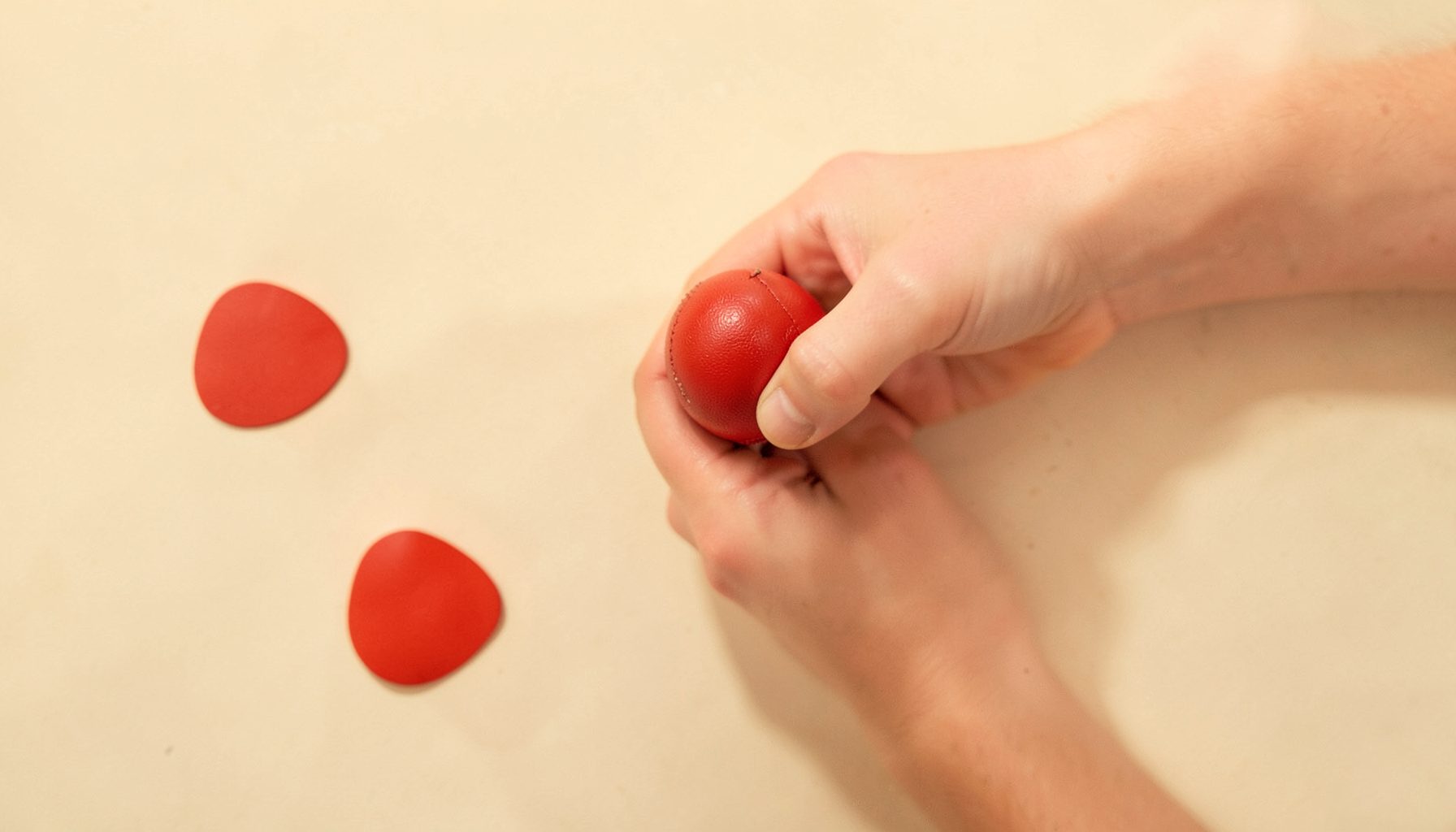
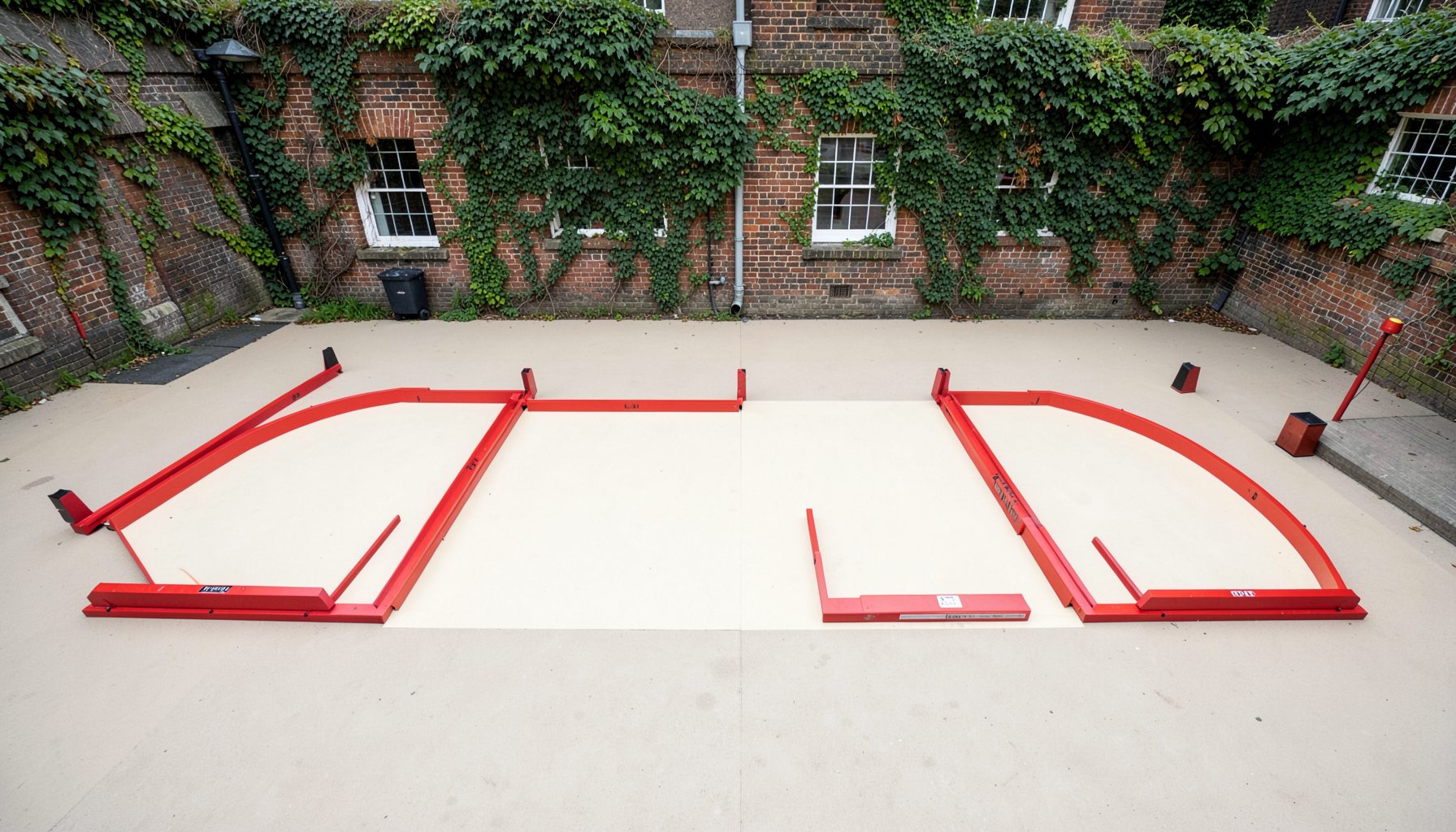
The sport uses a four-walled court and a small ball, with players striking the ball with their hands rather than using a racket or bat. That straightforward format makes it easy to begin, while the changing angles and rapid rallies create a challenge that continues to reward practice. A well-planned Rugby Fives facility can serve pupils of different ages, abilities and sporting backgrounds.
A Strong Foundation For Physical Literacy
Rugby Fives develops fundamental movement skills that young people can carry into many other activities. Players must track a moving ball, adjust their position, judge distance, coordinate their hands and feet, and react quickly when the ball changes direction. These skills help pupils become more comfortable and capable in physical settings.
The court also encourages balance, agility and controlled power. A beginner may start by returning a slow ball from a predictable angle, then gradually learn to use the walls, vary placement and anticipate an opponent’s next shot. This progression gives teachers a clear way to support improvement without making early lessons intimidating.
Because rallies can be adapted to the ability of the players, the activity works across primary and secondary settings. Younger pupils might focus on catching, rolling or gentle striking exercises, while older students can develop tactical play, court movement and formal match skills. The same facility can therefore remain useful for many years.
Inclusive By Design
A Rugby Fives court offers a welcoming alternative for pupils who do not feel at home in large team sports. There is no requirement to run long distances, compete for possession in a crowded field or rely on a particular body type. Players can take part in singles, doubles, cooperative drills and modified games that emphasise progress.
Teachers can adjust the pace, ball type, court zones and scoring system to suit individual needs. Clear boundaries and repeatable routines can help pupils who benefit from structure, while partner activities encourage communication and shared problem-solving. The Rugby Fives Association’s work on inclusive participation also demonstrates how the sport can be adapted to support players with disabilities.
That flexibility matters in a school environment, where confidence and access may differ widely within one class. A pupil who is reluctant to join a conventional team game may engage with a target challenge, a controlled rally or a doubles activity. Over time, successful experiences can build trust in physical education and encourage wider participation.
High Value From A Compact Facility
Land is often one of the biggest constraints facing schools. A full-size pitch requires substantial outdoor space and may be unavailable during poor weather, while a sports hall has to accommodate many activities. A Rugby Fives court uses a relatively compact footprint and can provide reliable, year-round access to physical activity.
The facility can support scheduled lessons, lunchtime clubs, after-school coaching, inter-school fixtures and recreational use. Its walls and surface are designed for a specific purpose, so staff can plan structured activities without setting up extensive equipment each time. With suitable supervision and maintenance, the court can become a dependable part of the school’s daily routine.
| School need | How a Rugby Fives court responds | Wider benefit |
|---|---|---|
| Limited space | Provides an active game in a compact area | Makes better use of the school site |
| Varied ability levels | Allows graduated rules, drills and court zones | Supports mixed-ability teaching |
| Wet-weather provision | Offers an indoor activity throughout the year | Reduces cancelled physical education |
| Low equipment budgets | Requires a court, balls and modest teaching equipment | Keeps sessions simple to organise |
| Student engagement | Combines quick rallies with visible progress | Encourages repeat participation |
| Community use | Can host clubs, coaching and competitions | Connects the school with local players |
A court can also support a school’s wider community. Local clubs, coaches and volunteers may use it outside lesson hours, creating a relationship between the school and the regional Rugby Fives network. That shared use can increase the facility’s value while giving pupils a route into continued participation beyond school.
Concentration, Tactics And Character
Rugby Fives is physically active, yet every rally also requires careful thought. Players must decide where to stand, when to attack, how much force to use and how to recover after a mistake. The game rewards observation and decision-making rather than simple repetition, making it a useful setting for developing concentration.
The scoring system and short exchanges create regular moments for reflection. A pupil can identify why a shot failed, adjust their position and try a different response within seconds. This immediate feedback helps make learning visible. It also teaches resilience in a practical way: errors are part of the rally, not a reason to stop participating.
Doubles play adds another layer of social learning. Partners must communicate, cover space and share responsibility for decisions. Lessons can therefore connect physical education with cooperation, listening and respectful competition. These qualities are valuable in classrooms, clubs and future workplaces as well as on the court.
A Practical Starting Point For Schools
Installing a court is a significant decision, so schools should consider how it will fit their timetable, staffing and long-term sporting aims. The strongest outcomes come when the facility is supported by a simple development pathway rather than treated as a standalone construction project.
A school can begin with introductory sessions, teacher training and a small equipment set before expanding into regular fixtures. Progress should be measured through participation, confidence and skill development as well as formal results. The following priorities can help establish a sustainable programme:
- Identify suitable indoor or outdoor space with safe access, good visibility and appropriate surfaces.
- Provide introductory coaching so teachers can deliver basic strokes, movement patterns and adapted games.
- Offer regular lunchtime or after-school sessions alongside curriculum lessons.
- Use modified rules and equipment to include beginners, younger pupils and students with disabilities.
- Connect with nearby clubs, tournaments and development programmes for continued opportunities.
Schools should also involve pupils in shaping the programme. Student leaders can help organise ladders, explain activities to new players or support younger classes under adult supervision. This creates ownership and gives experienced pupils a meaningful role in the life of the court.
A Lasting Sporting Legacy
Many school facilities are judged by how often they are used, and Rugby Fives has a strong advantage in this respect. A court can accommodate individual practice, pairs, coached groups and competitive matches without requiring a large number of players at once. That makes it easier to include the whole class and keep pupils active rather than waiting on the sidelines.
The sport also connects current pupils with a rich tradition of school and club competition. Schools can maintain internal rankings, record personal bests and build annual events that give students something to work towards. Friendly fixtures with other schools can add excitement while preserving a positive, developmental atmosphere.
A Rugby Fives court can therefore become part of the school’s identity. It may support physical education, enrichment, community partnerships and student leadership at the same time. When introduced thoughtfully, the facility serves immediate health and learning goals while creating opportunities that continue from one year group to the next.
Every school does not need to follow the same programme, but every school can benefit from offering pupils a sport that is active, adaptable and intellectually engaging. Rugby Fives provides a practical way to widen participation without sacrificing challenge or competitive ambition.
School leaders, teachers and community partners can explore court development, coaching, competitions and inclusive programmes with the Rugby Fives Association. By making contact and planning the first steps, they can turn unused potential into a lively sporting space where more pupils learn, compete and belong.