



Why Rugby Fives Deserves More Media Coverage
Rugby Fives has the ingredients of a compelling modern sports story: speed, skill, tradition, rivalry, athletic movement, and a strong sense of community. Played in a four-walled court, the game demands quick reactions, sharp angles, intelligent positioning, and the courage to take the ball early. Its compact playing area creates an intensity that is easy to understand once a match is seen in action.
Yet many people in the UK have never watched Rugby Fives, let alone played it. Limited media exposure means the sport remains unfamiliar outside its established schools, clubs, and university networks. That lack of visibility can affect recruitment, sponsorship, facilities, youth participation, and the ability of talented players to progress.
Greater coverage would not require Rugby Fives to lose its character. Newspapers, broadcasters, creators, and sports websites could present its history and culture while showing why the game belongs in the modern sporting conversation.
A Distinctive Sport With A Strong Identity
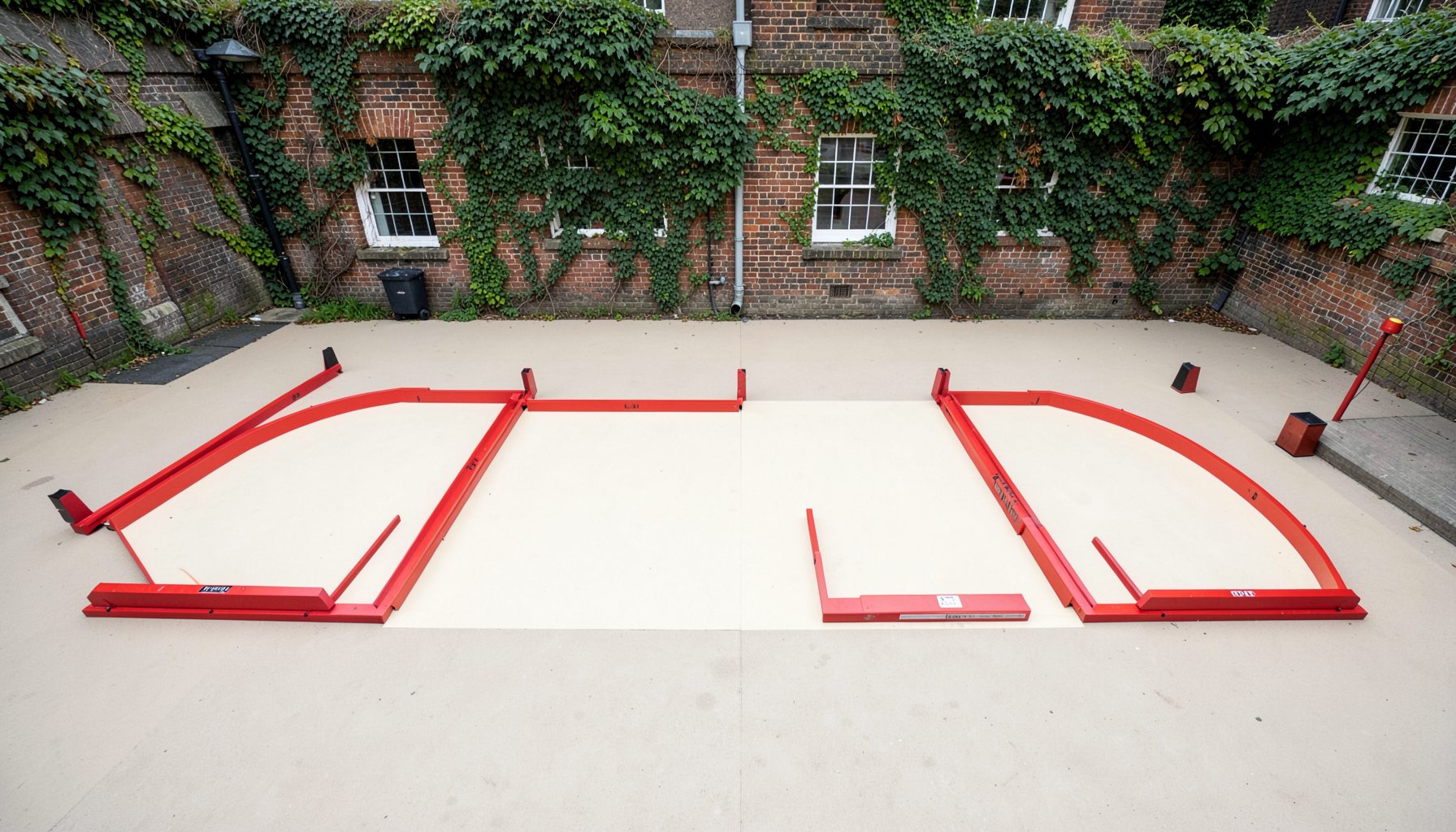
Rugby Fives is often compared with squash, handball, and other wall-ball games, but those comparisons only tell part of the story. The sport has its own techniques, court dimensions, traditions, and competitive rhythms. Players use the hands to strike a leather ball against the front wall, forcing opponents to respond under pressure. Every rally can change direction in an instant.
The game also has a remarkable connection with British educational and sporting history. Courts are associated with schools, universities, clubs, and historic institutions, giving Rugby Fives a visible sense of place. That heritage provides journalists with material about architecture, local communities, education, and changing sporting customs.
A sport with such a distinctive setting offers better visual and editorial opportunities than its current profile suggests. A camera inside a court can capture movement, sound, concentration, and emotion in a way that immediately separates Rugby Fives from more familiar racket sports.
Fast Action That Rewards Close Attention
The pace of a Rugby Fives match is one of its strongest broadcasting assets. Players have fractions of a second to judge the ball, anticipate a rebound, and choose between attack and defence. Short rallies can be explosive, while longer exchanges reveal stamina, tactical discipline, and changing momentum.
Because the court is small, spectators are close to the action. There is no distant field or large stadium barrier between the audience and the players. The sound of the ball striking the wall, the rapid footwork, and the reactions after a winning shot can create an atmosphere that works well in short videos, live streams, and match highlights.
Media coverage could also explain the sport’s tactics in accessible terms. A commentator might track court position, shot selection, or the way doubles partners cover space. Clear analysis would help newcomers understand the contest without requiring prior knowledge, making Rugby Fives suitable for feature programmes and digital platforms.
Human Stories Beyond The Scoreline
Coverage should focus on people as much as results. Players often discover Rugby Fives through schools, family connections, local clubs, or university societies. Their routes into the game can reveal how sporting habits are passed between generations and how a specialist activity creates lasting friendships.
There are strong stories among coaches, officials, volunteers, and club organisers as well. Maintaining courts, arranging fixtures, running championships, and encouraging new participants requires commitment that rarely appears in mainstream sports reporting. These contributions demonstrate how a national governing body and its wider network sustain a sport over time.
The Rugby Fives Association can help connect media outlets with these voices. Profiles of emerging players, reports from school programmes, interviews with long-serving volunteers, and features on historic courts would give audiences several ways into the sport. A balanced approach would show both elite competition and everyday participation.
The Coverage Gap And Its Opportunity
Rugby Fives does not need to compete with established sports on identical terms. Its appeal lies in its difference, and that difference can make it valuable to specialist broadcasters, regional newspapers, education publications, and online sports channels. A well-produced feature could reach people interested in heritage, unusual sports, community activity, or athletic technique.
| Media format | Rugby Fives opportunity | Audience benefit |
|---|---|---|
| Short-form video | Fast rallies, skills, court tours, player reactions | Immediate visual understanding |
| Live streaming | Championships, tournaments, and club fixtures | A direct connection with competition |
| Feature journalism | History, schools, volunteers, and regional clubs | Context and human interest |
| Podcast coverage | Tactics, personalities, memories, and rivalries | Deeper storytelling |
| Social media | Results, rankings, training clips, and event updates | Regular engagement between fixtures |
| Local reporting | School programmes and community events | Stronger participation at grassroots level |
A consistent media presence would also make the sport easier to find. Potential players, parents, teachers, sponsors, and venue partners often begin with an online search. Regular reporting, searchable results, photographs, and explainers could turn curiosity into a first visit to a club or school court.
A Natural Fit For Digital Storytelling
Digital platforms give Rugby Fives the chance to explain itself without waiting for traditional broadcast schedules. A short clip can demonstrate a serve, show a difficult defensive recovery, or compare beginner and advanced technique. A longer film can follow a player through training and competition, giving viewers a sense of the preparation behind a match.
The sport’s governing body, clubs, and schools can work together on a recognisable content style. Accurate captions, clear footage, player names, competition details, and accessible explanations would help content travel beyond existing followers. Vertical video can attract attention, while full-match streams and interviews can serve dedicated supporters.
Archive material offers another valuable resource. Historical photographs, championship records, old programmes, and stories from former players can be presented alongside current events. This creates continuity between past and present while showing that Rugby Fives is an active sport with a living future.
Media Attention Can Support Participation
Publicity has practical effects. When a sport appears in local news, on social channels, or in a school feature, people are more likely to recognise it as an available activity. Parents may see a route for their children, teachers may investigate school sessions, and adults may discover a club close to home.
Greater visibility can also help facilities and funding. Court owners, education leaders, sponsors, and community partners need evidence that a sport has an engaged audience and a clear development pathway. Coverage of participation figures, competitions, coaching initiatives, and inclusive programmes can communicate that Rugby Fives is organised and open to growth.
The strongest coverage would present access accurately. Rugby Fives has a proud heritage, but its future depends on welcoming beginners, supporting women and girls, encouraging diverse communities, and making opportunities clear to people who have never encountered the sport. Media attention should reflect that wider purpose rather than portraying the game as an inaccessible curiosity.
Practical Ways To Build A Bigger Audience
A sustained approach will be more effective than occasional publicity around a major championship. The Rugby Fives Association and its partners can prepare reliable information, strong images, event calendars, player contacts, and simple explanations for journalists and creators. Clubs and schools can then share material in a consistent form.
Useful priorities include:
- Produce short, high-quality videos that explain the rules and show the speed of live play.
- Offer media packs with player profiles, competition information, historical facts, photographs, and contact details.
- Build relationships with regional newspapers, education reporters, sports podcasts, and specialist broadcasters.
- Stream selected championships and tournaments with clear commentary, results, and accessible graphics.
- Invite journalists and content creators to visit courts, meet players, and experience the sport at close range.
These actions can support both national recognition and local recruitment. A compelling championship report may attract a broad audience, while a story about a school session or community club can lead directly to new participation.
Rugby Fives deserves more media coverage because it offers something distinctive: a fast, skilful, historic, and welcoming sport with a strong human dimension. The opportunity is ready for players, clubs, schools, volunteers, and media partners to share it more widely.
Follow the Rugby Fives Association’s fixtures, championships, coaching activity, and development work, then help bring the next story to a wider audience. Share a match, attend a tournament, visit a club, or introduce someone new to the court.