



Why Warming Up Properly Makes Rugby Fives Players Better
Rugby Fives is a curiosity in the Australian sporting landscape, played at a handful of courts from Melbourne Grammar's historic courts to the refurbished walls at the University of Sydney. Most Aussies discover the sport through school programs, family ties to the UK, or word of mouth at a local squash club. Whatever the entry point, every player eventually learns the same lesson: the warm-up you skip is the match you lose.
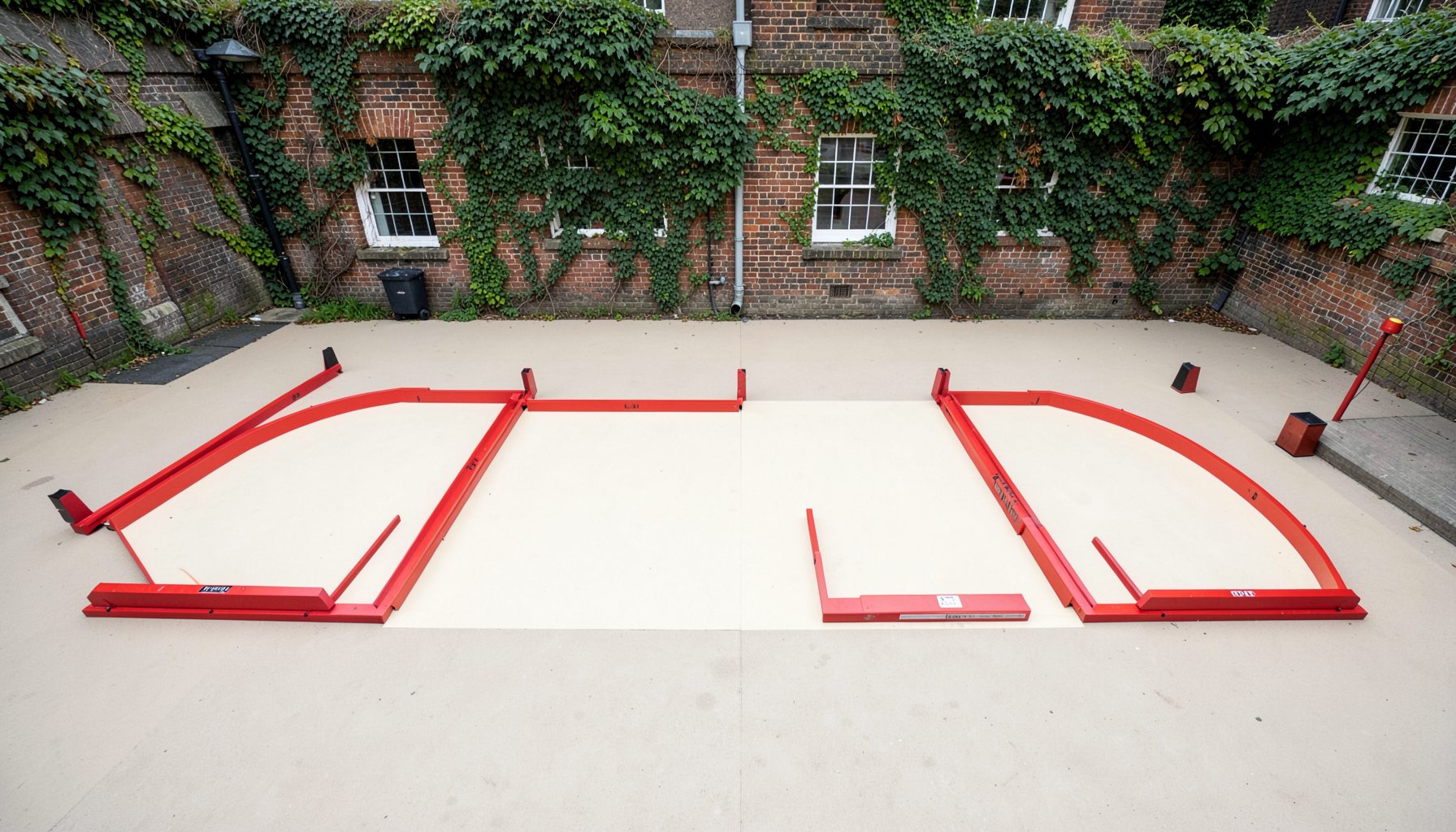
The sport asks a strange and wonderful thing of the body. You strike a leather ball the size of a tennis ball with your bare hand against three walls and a buttress, in a court roughly the size of a small squash court. Shoulders rotate under load, wrists snap, fingers absorb impact, and feet move through tight lateral patterns. A proper warm-up preps each of those systems in sequence rather than throwing them straight into a match.
Australian players often come from rugby union, cricket, or Aussie Rules backgrounds, where warm-ups are part of the routine fabric of every training session. Transferring those habits thoughtfully into Rugby Fives is what separates a competitive player from someone who merely turns up. The specific demands of hand-striking reward a warm-up that goes well beyond jogging two laps of the court.
The Demands of Hand-Striking on the Body
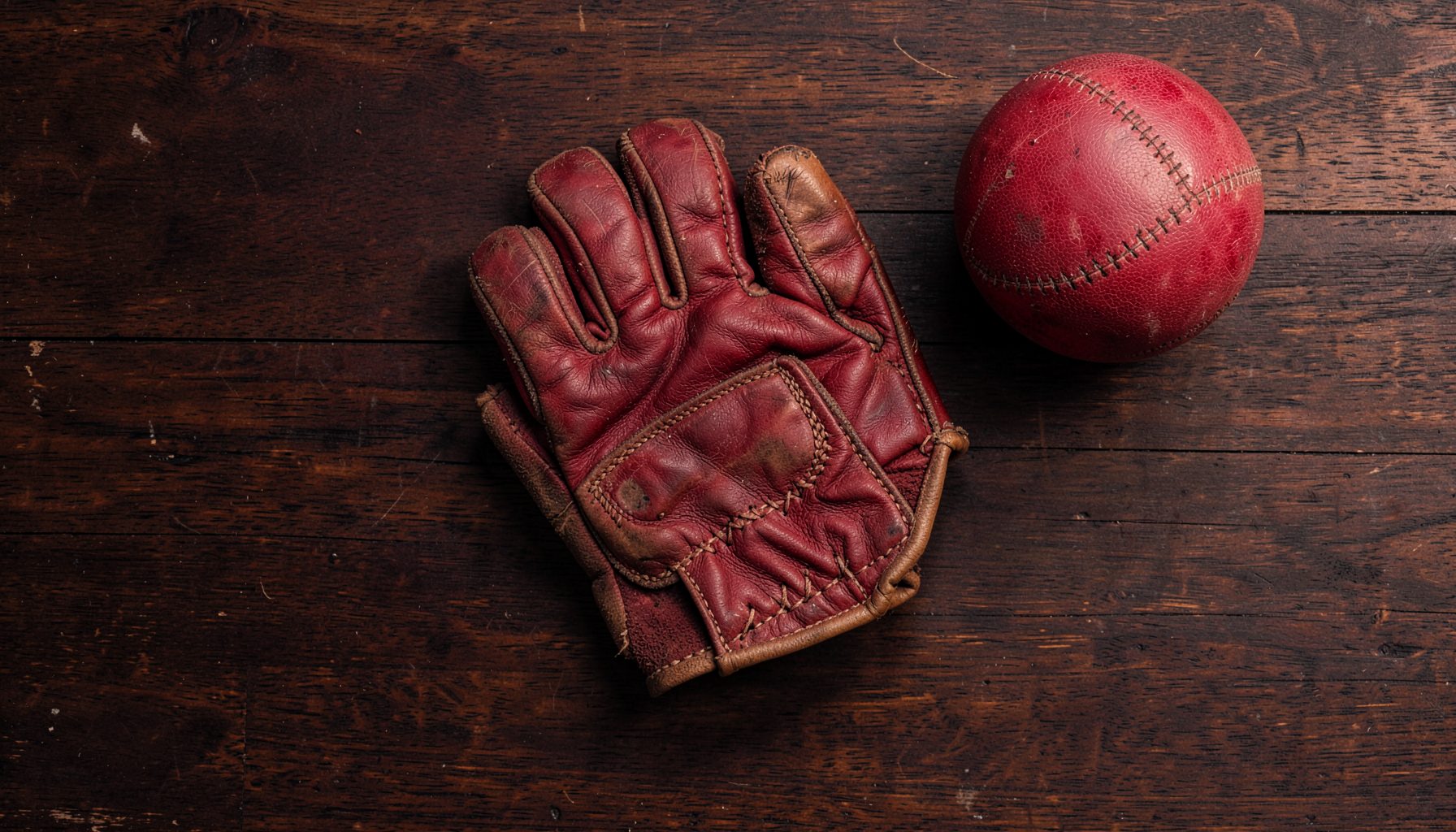
Rugby Fives sits in an unusual biomechanical space. There is no racquet to absorb shock, no strings to grip, and no protective glove. The hand becomes the only tool, and that tool must be ready for repeated impact at speeds approaching 100 kilometres an hour on a fierce cut. The kinetic chain runs from the ground through the legs, core, shoulder, elbow, wrist and finally the fingers, which is why a warm-up needs to wake each link.
A neglected wrist is the most common casualty. Tendons running through the carpal tunnel tighten overnight, especially during a chilly Melbourne winter when the courts at places like Geelong Grammar or Scotch College can feel glacial at first serve. Without a gradual warm-up, the first hard shot risks a sprain or a tweak that lingers for weeks of the season.
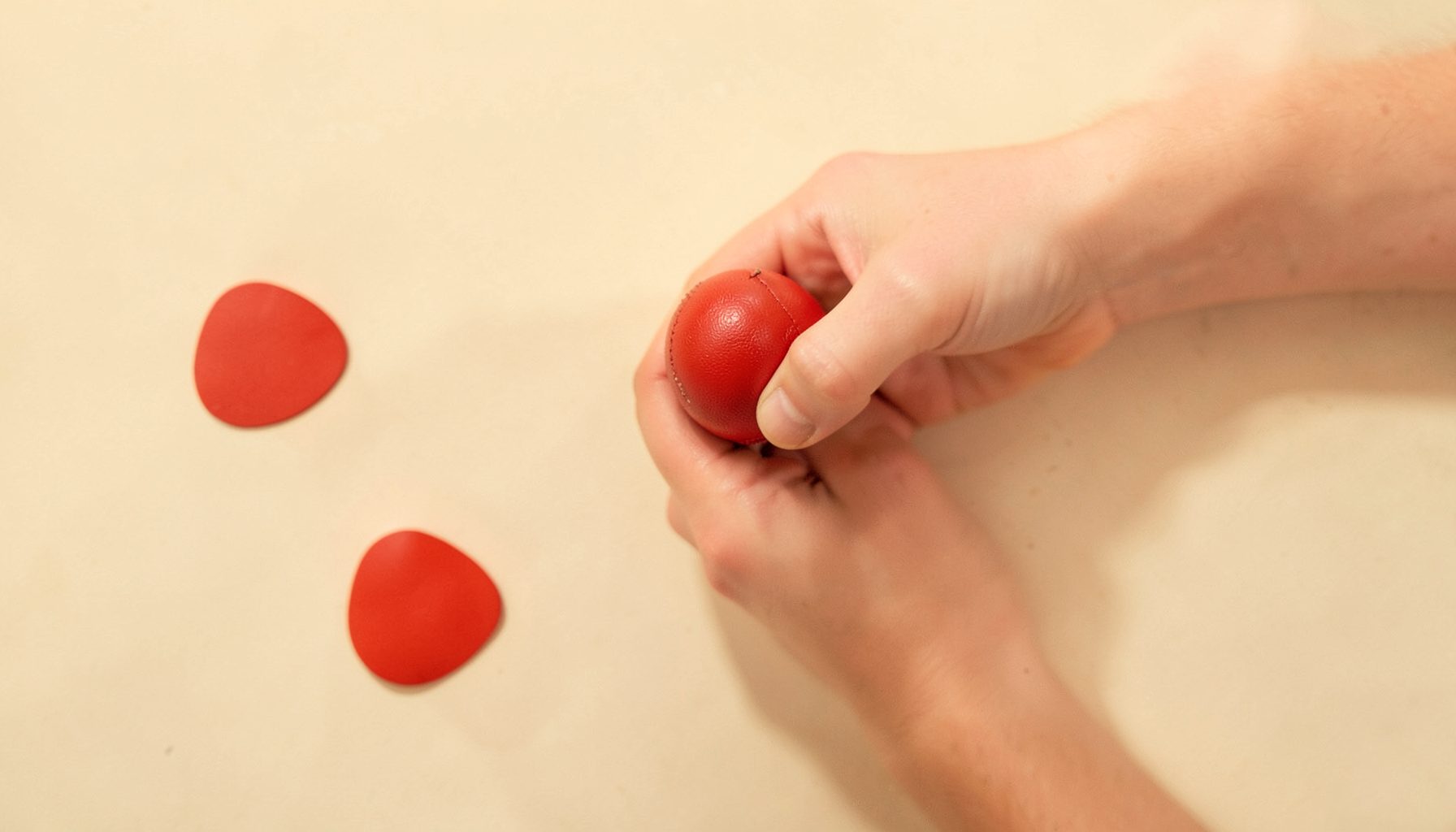
Finger mobility matters just as much. The grip used in Rugby Fives is a specific curl of the index and middle fingers around the seam of the ball, and that grip must be rehearsed, not assumed. Cold hands fumble easy catches, and fumbled catches turn into jammed digits against the wall. A warm-up that includes gentle ball-handling helps the nervous system remember the pattern before the scoreboard starts ticking.
Cutting Down on Injuries Before They Cut Down Your Season
The Australian sports medicine community has spent decades building warm-up protocols, from the AFL's pre-game routines to the AIS's general prep guidelines in Canberra. Rugby Fives players would do well to borrow from that tradition. Most soft-tissue injuries in the sport are preventable with the right fifteen minutes of preparation, yet players routinely spend that time chatting at the change room bench instead.
Dynamic stretching outperforms static stretching before play. Holding a hamstring stretch on the sideline has its place in cool-downs, but before a match the body needs movement that mirrors what is coming. Leg swings, hip openers, shoulder circles and walking lunges all raise muscle temperature without dampening the stretch-reflex response that the first few rallies rely on.
Wrist and forearm activation work is rarely part of a general warm-up but it is non-negotiable for Fives. Light ball drills, soft taps against the side wall, and resisted wrist curls with a small weight all prepare the tendons for the faster contractions to come. Players who skip this step often feel fine until the third set, when the forearm suddenly tightens and the cut shot loses its bite.
Sharpening Hand-Eye Coordination From the First Point
Rugby Fives rewards anticipation as much as power. The ball caroms off walls at unpredictable angles, and the receiver must read the bounce before deciding where to stand. A warm-up that includes reaction drills primes the visual cortex and the cerebellum together, sharpening the connection between what the eyes see and what the hands do with the ball.
A simple drill works wonders. Two players stand on the receiving side while a third feeds balls at varying speeds off the front wall. The receivers start close, then shuffle back as the feed speeds up. By the time the match begins, the brain has already rehearsed the choreography of reading rebounds, and the first point rarely feels like a warm-up point.
Aussie players love the social side of this. There is usually a queue for the court at lunch on a Saturday in Melbourne, and a quick reaction drill becomes both a warm-up and a way to settle the nerves before a proper match. The best players treat every hit before the first point as a chance to lock in focus and read the court conditions.
Building Court Movement and Footwork Patterns
The Rugby Fives court punishes lazy feet. The playing area is narrow at the back but opens up toward the buttress, and the ball can be hit to any of three walls in a single sequence. A warm-up that emphasises lateral shuffling, pivoting and short sprints trains the exact movement vocabulary needed once points start counting.
Agility ladders, cone patterns and short shuttle runs all have a place, especially for players coming from cricket or AFL backgrounds who may default to running in straight lines. Rugging up the footwork under fatigue is the goal, since the fifth game of a long Saturday afternoon at Melbourne Park's courts feels nothing like the first and demands sharper movement as legs tire.
Footwear matters too. Most Australian players wear non-marking court shoes with gum soles, and the warm-up is a chance to confirm grip. A sweaty sole on a dusty court is a recipe for a rolled ankle, and a proper warm-up lets players feel the surface and adjust their footing before the score matters.
Adapting Warm-Ups to Australian Conditions
Playing conditions vary wildly across the country. In Hobart or Ballarat during winter, the courts can be cold enough that the ball feels hard as a rock. In Cairns or Darwin, humidity slows everything down. A one-size-fits-all warm-up fails in both extremes, and players need to adjust their routine to suit the climate they face that afternoon.
Cold-climate players should extend their warm-up by five to ten minutes, starting with gentle jogging and skipping before moving into dynamic mobility. A beanie stays on until the sweat starts, and the ball itself can be warmed in a trackie pocket for the first few minutes of soft hitting. The goal is to raise core temperature slowly so the muscles, tendons and joints all come online together rather than in a rush.
Hot-climate players face the opposite challenge. Over-warming leads to early fatigue, so the routine should be efficient and focused. Hydration begins before the warm-up, not after, and the dynamic work stays crisp rather than prolonged. Players at community courts in Brisbane or Perth often share a cold drink at the change of ends, which is as much an Australian ritual as the warm-up itself.
A Practical Fifteen-Minute Pre-Match Routine
A reliable routine beats an ambitious one every time. The structure below works for most club-level players and can be trimmed or extended depending on conditions and time constraints before the first match of the day.
| Phase | Duration | Focus |
|---|---|---|
| Pulse raiser | 3 minutes | Light jog, skipping, high knees to lift heart rate |
| Dynamic mobility | 4 minutes | Leg swings, hip openers, arm circles, walking lunges |
| Joint activation | 3 minutes | Wrist circles, finger curls with ball, resisted band work |
| Ball integration | 3 minutes | Soft rallies off front wall, reaction feeds |
| Match simulation | 2 minutes | Harder rallies at match pace, full movement |
The whole thing should feel purposeful. Wandering through a routine is no better than skipping it. Players who commit to the same sequence week after week find that the body switches on faster, the mind settles earlier, and the first set becomes a formality rather than a recovery period. That consistency is what builds a long and injury-light career in the sport, whether you are playing your first match at a suburban school or your fiftieth at a national championship.
Across Australia, Rugby Fives is quietly finding its footing among the bigger hand-ball and racquet sports. Clubs in Melbourne, Sydney and Adelaide are welcoming new players each season, and most will tell you the same thing on day one: arrive early, warm up properly, and the rest of the afternoon takes care of itself. The habit starts with the first hit and pays off for years, so grab a ball, find a wall, and start moving.