

Rugby Fives for Scouts and Guides in Australia
Rugby Fives is a fast, adaptable wall game that suits youth groups looking for an active session with simple equipment. Players use their hands to strike a ball against the front wall, keep rallies alive and develop positioning, reaction speed and teamwork. Because it is usually played indoors, the sport can work well in Australian cities where hot afternoons, wet weekends or limited outdoor space affect programme planning.
For Scouts and Guides, the activity can be introduced as a short skills session, a patrol challenge or a pathway towards regular fixtures. A suitable launch does not require every participant to be an experienced athlete. With clear boundaries, small-sided games and inclusive scoring, a leader can help beginners enjoy the sport while giving confident players room to develop.
| Group need | Rugby Fives response | Practical Australian option |
|---|---|---|
| Low-cost activity | Balls, court shoes and access to a suitable wall are usually enough | Use a school, club or community-sport venue |
| Mixed abilities | Rallies and rules can be adjusted for beginners | Pair experienced players with new participants |
| Indoor programme | The game avoids heat, rain and poor ground conditions | Schedule sessions after school or on wet-weather days |
| Team development | Players communicate, rotate and solve problems together | Run patrol-based challenges or relay formats |
| Progression | Skills can lead to social games, tournaments and competitions | Connect with local clubs or the national association |
Start with a safe and simple session
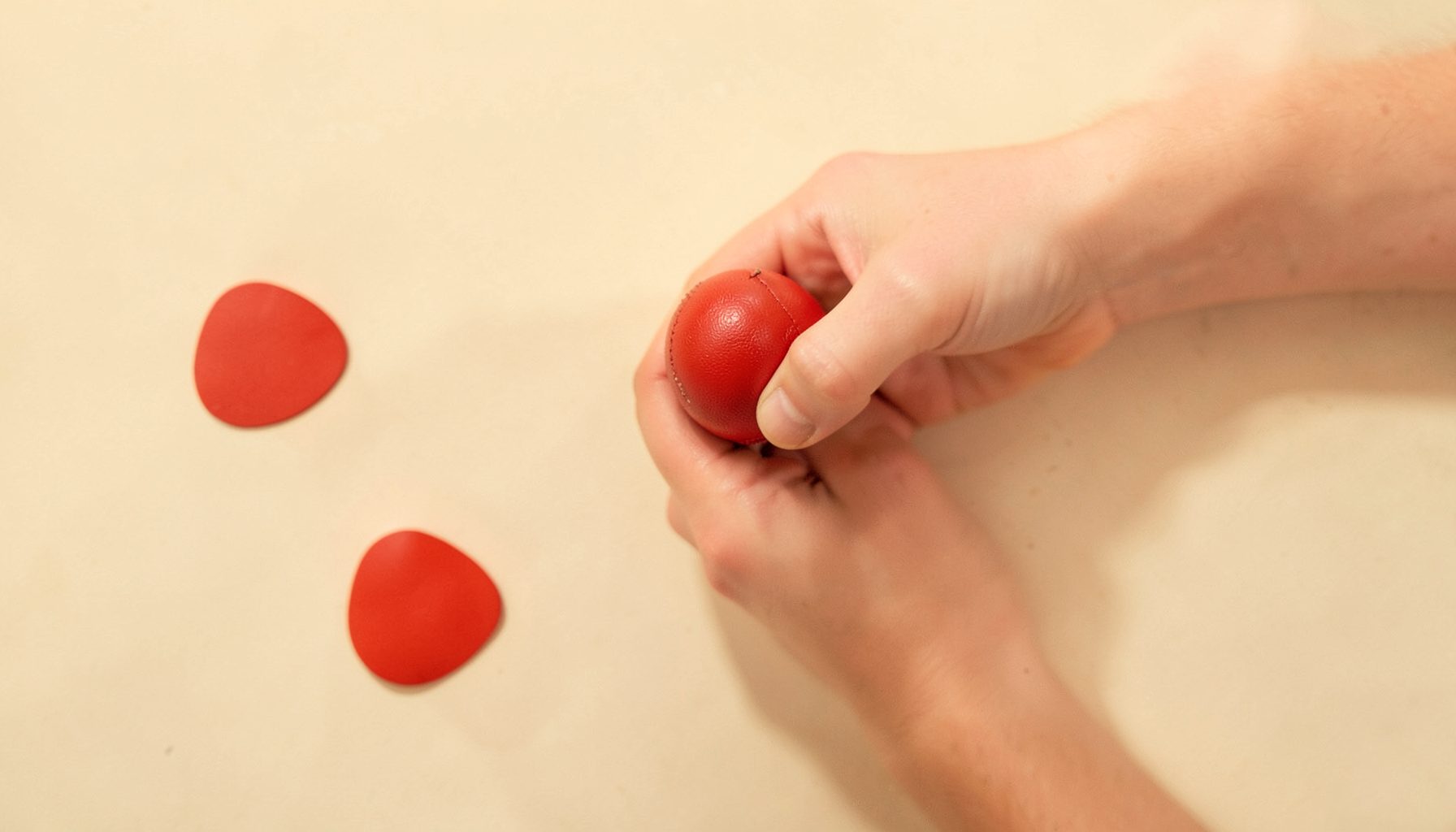
A first session should feel like a game rather than a formal coaching clinic. Begin by explaining the court, the front wall and the objective: strike the ball so that the next player cannot return it legally. Demonstrate a controlled underarm hit, how to watch the ball and where to stand after playing a shot. Keep the opening explanation short, then let participants try.
Divide the group into pairs or small stations. One station might involve bouncing and catching, another controlled strikes against the wall, and a third a cooperative rally where the aim is to reach five or ten hits. Soft or slower balls can help younger Scouts and Guides manage the pace. If the venue has several walls, rotate groups every few minutes so nobody spends long periods waiting.
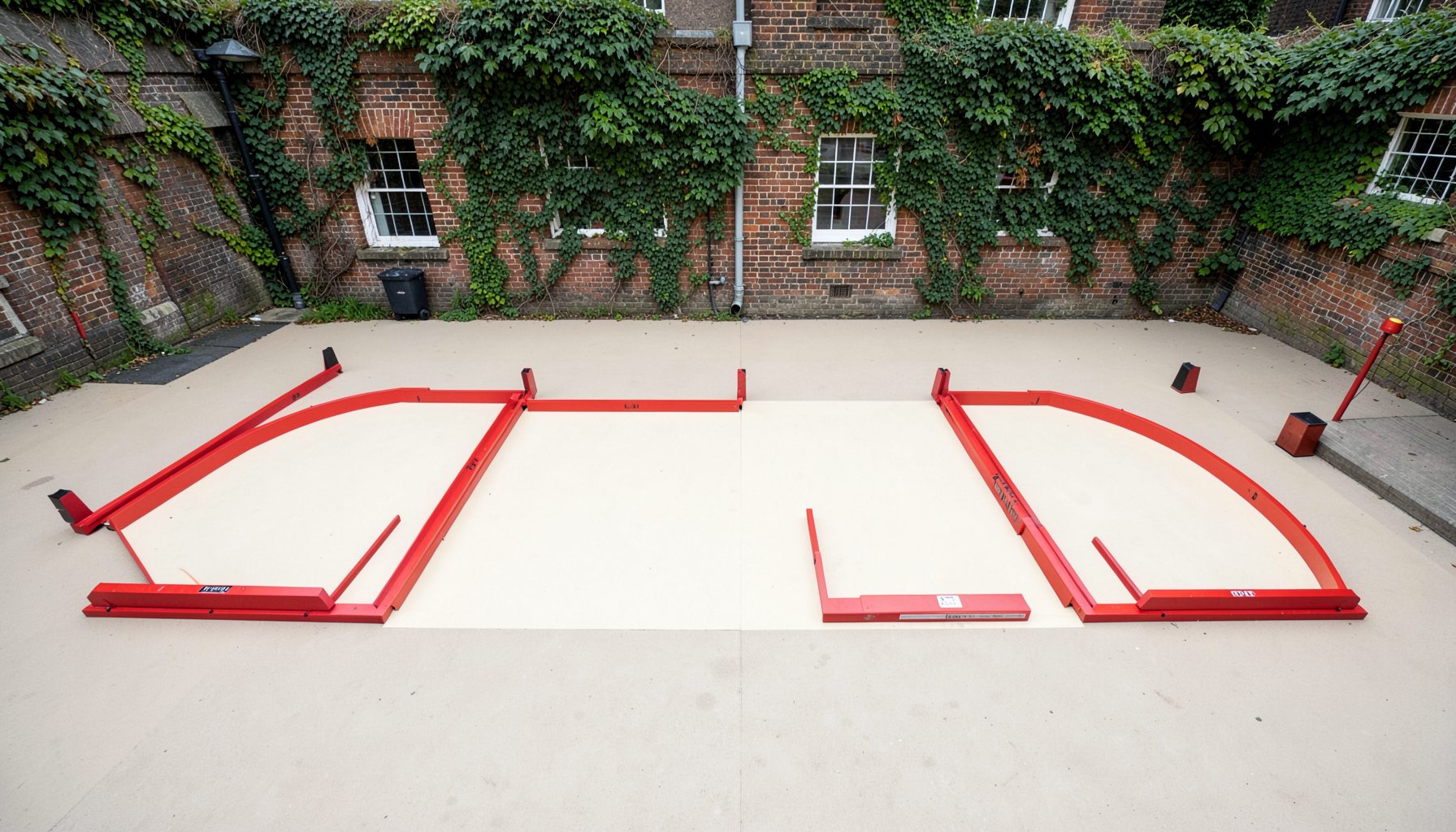
Check the playing surface before the activity begins. Remove bags and loose equipment, confirm that the wall is suitable, and establish a clear space behind and beside each court. Participants should wear enclosed athletic shoes, tie back long hair and follow instructions about moving away from a shot. A first-aid kit, drinking water and a clear emergency procedure should be available.
Adapt the game for Australian youth groups
Scouting and Guiding programmes often include a wide age range, different confidence levels and varied physical abilities. Rugby Fives can accommodate this by changing the ball, rally length, court area or scoring system. A beginner may play with one bounce allowed, while an advanced player can use stricter rules. A seated or reduced-movement version can also focus on accurate striking and communication.
Australian weather makes an indoor option especially useful. A troop in Brisbane may need a cool venue during humid summer evenings, while a group in Melbourne may value an activity that can continue during winter rain. In Sydney, Perth or Adelaide, a school hall or community recreation centre can provide a dependable space close to public transport and regular weekend activities.
Avoid presenting the session as a test of sporting ability. Use cooperative targets, such as keeping a rally going for 20 contacts, then offer competitive games for those who want them. Award recognition for encouragement, safe movement, clever positioning and consistent effort. This approach gives less confident members a genuine role and supports the inclusive values of youth organisations.
Work with schools, clubs and local venues
The easiest venue may be a school already connected with the Scout or Guide group. Many schools have suitable halls, covered play areas or traditional Fives courts, although the organiser should obtain permission and check the surface, lighting and access arrangements. A local independent school, university or racquets club may also welcome a trial session during a quiet period.
A structured venue conversation should cover dates, supervision, insurance, equipment storage, cleaning and noise. It is useful to offer a short pilot rather than request a full season immediately. After the first visit, record attendance, participant feedback and any practical issues. That evidence can support a request for more sessions or a partnership with a nearby Rugby Fives club.
Leaders planning a school-based progression can use this school league guide to consider fixtures, team organisation and ongoing participation. A youth group does not need to create a formal league straight away, but understanding how regular competition works helps shape a sensible next step.
Build a progressive programme
A four-session block gives participants enough time to learn without making the activity feel compulsory. The first meeting can cover striking, movement and court awareness. The second can add serving and returning. The third can introduce doubles communication and simple tactics. The final session can use a festival format with short matches, skills stations and team awards.
A consistent session pattern helps leaders manage mixed experience levels:
- Five minutes for welcome, safety and demonstrations
- Ten minutes of movement and ball-control activities
- Fifteen minutes of cooperative rallies
- Twenty minutes of modified games
- Five minutes for reflection, equipment checks and sign-off
Progress can be recorded through simple achievements rather than complicated rankings. Participants might earn recognition for completing a controlled serve, returning three consecutive shots or helping a partner understand a rule. Older Scouts and Guides can take responsibility as scorekeepers, warm-up leaders or equipment marshals under adult supervision.
If enthusiasm grows, arrange an inter-group afternoon with another local unit. Keep matches short and allow teams to rotate frequently. A festival is often more welcoming than a high-pressure championship, especially when most participants are new. The Rugby Fives Association can provide a connection to clubs, coaches, competitions and wider development opportunities.
Plan safeguarding, inclusion and sustainability
Australian youth organisations need to follow their own child-protection procedures as well as the requirements of the venue and relevant state or territory authorities. Working with Children Checks are administered differently across jurisdictions, so leaders should confirm the rules applying in their location. For example, requirements and terminology can differ between New South Wales, Victoria, Queensland and Western Australia. Adult-to-child supervision, sign-in procedures, photography permissions and incident reporting should be agreed before the session.
The Australian Child Safe Standards provide a useful reference point for creating an environment where children are listened to, treated fairly and protected from harm. Leaders should explain behaviour expectations in age-appropriate language and make it easy for participants to report discomfort or injury. Venue insurance, organisational approval and first-aid arrangements should also be checked rather than assumed.
Inclusion starts with practical choices. Offer different ball speeds, allow additional bounces where appropriate and make court boundaries visible. Consider sensory needs, mobility requirements, cultural expectations and participants who are nervous about fast-moving balls. A quiet practice station can help someone build confidence before joining a rally.
Equipment can remain affordable by starting with a small supply of suitable balls, cones, bibs and basic protective items. In the Australian community-sport market, transport and venue hire may cost more than the playing equipment, so shared use with a school, club or council facility can make the programme sustainable. Store gear in a labelled kit and appoint participants to help with setup and pack-down.
A well-run first session can lead to regular indoor activity, new friendships and a clear sporting pathway. Leaders can begin with one wall, a few balls and a carefully supervised trial, then build towards inter-group festivals or club coaching as interest develops. To arrange support, venue connections or a suitable progression for your group, contact the Rugby Fives Association and plan a session that gets young people moving, collaborating and enjoying the game.