
Choosing the right Rugby Fives ball for your level
The ball is the link between your hands, the wall and the rest of the game. Its weight, surface and rebound affect every serve, return and volley, so selecting a suitable ball can make practice more productive and matches more enjoyable. A ball that feels manageable to a new player may seem slow to an experienced competitor, while a hard, lively match ball can be demanding for someone still learning basic technique.
Rugby Fives equipment is not as widely stocked in Australia as tennis or rugby gear. Players may need to order from a specialist supplier, buy through a club, or arrange a group purchase with other players. That makes it useful to understand what you need before spending money on a ball that does not suit your level or court.
Australian conditions also matter. A school or club in Melbourne may have access to an indoor court throughout the winter, while players in Brisbane need to think about humidity and storage. In Sydney, shared court time can mean using one ball for coaching, casual games and competitions, so durability becomes especially important.
The best choice is a ball that helps you develop control first, then rewards greater pace and accuracy as your skills improve. Your coach, club committee or the Rugby Fives Association can help you compare the equipment used in local competitions and training sessions.
What makes a Rugby Fives ball suitable
A proper Rugby Fives ball should have a consistent shape, reliable grip and predictable rebound. The ball needs to come off the front wall cleanly enough for players to read its path, while retaining enough firmness for the fast exchanges that make the sport distinctive. Poorly made or worn balls can become lopsided, slick or strangely bouncy.
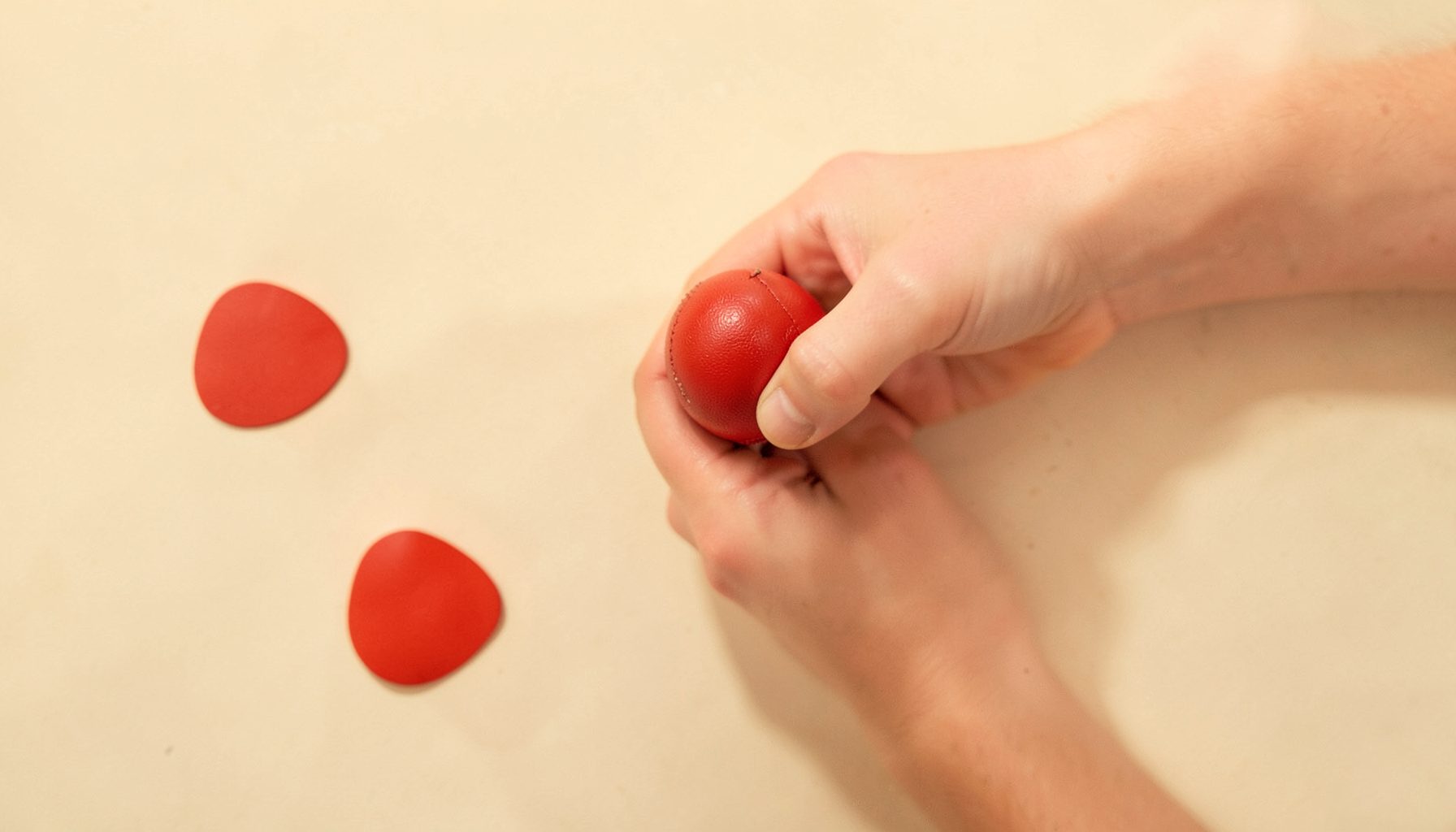
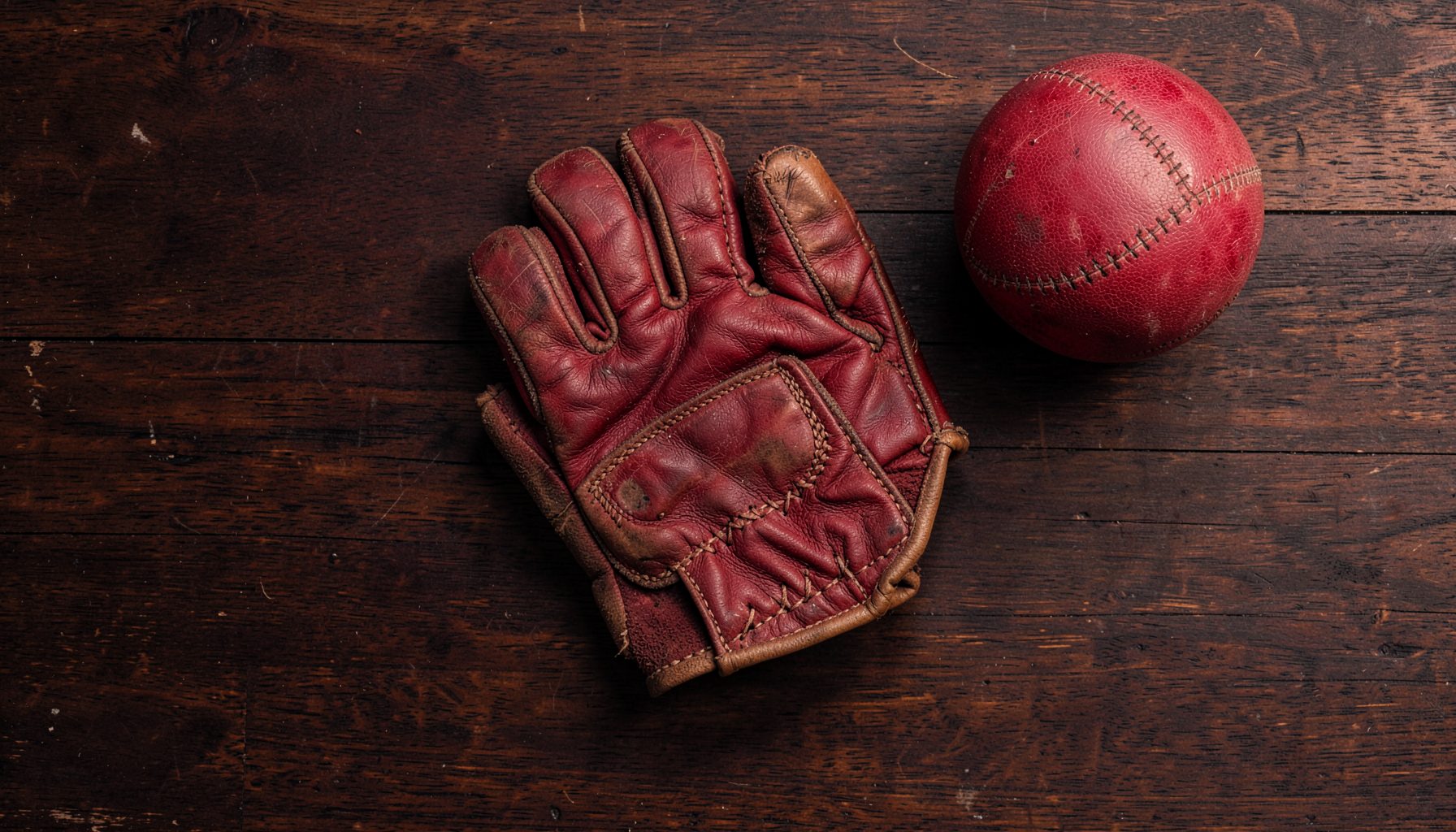
The outer material affects both feel and durability. Traditional leather offers a distinctive touch and may become more comfortable in the hand over time, but it needs sensible storage and care. Synthetic coverings can be easier to maintain and may stand up well to regular school or club use. Whichever material you choose, inspect the seams, surface texture and inflation or firmness before playing.
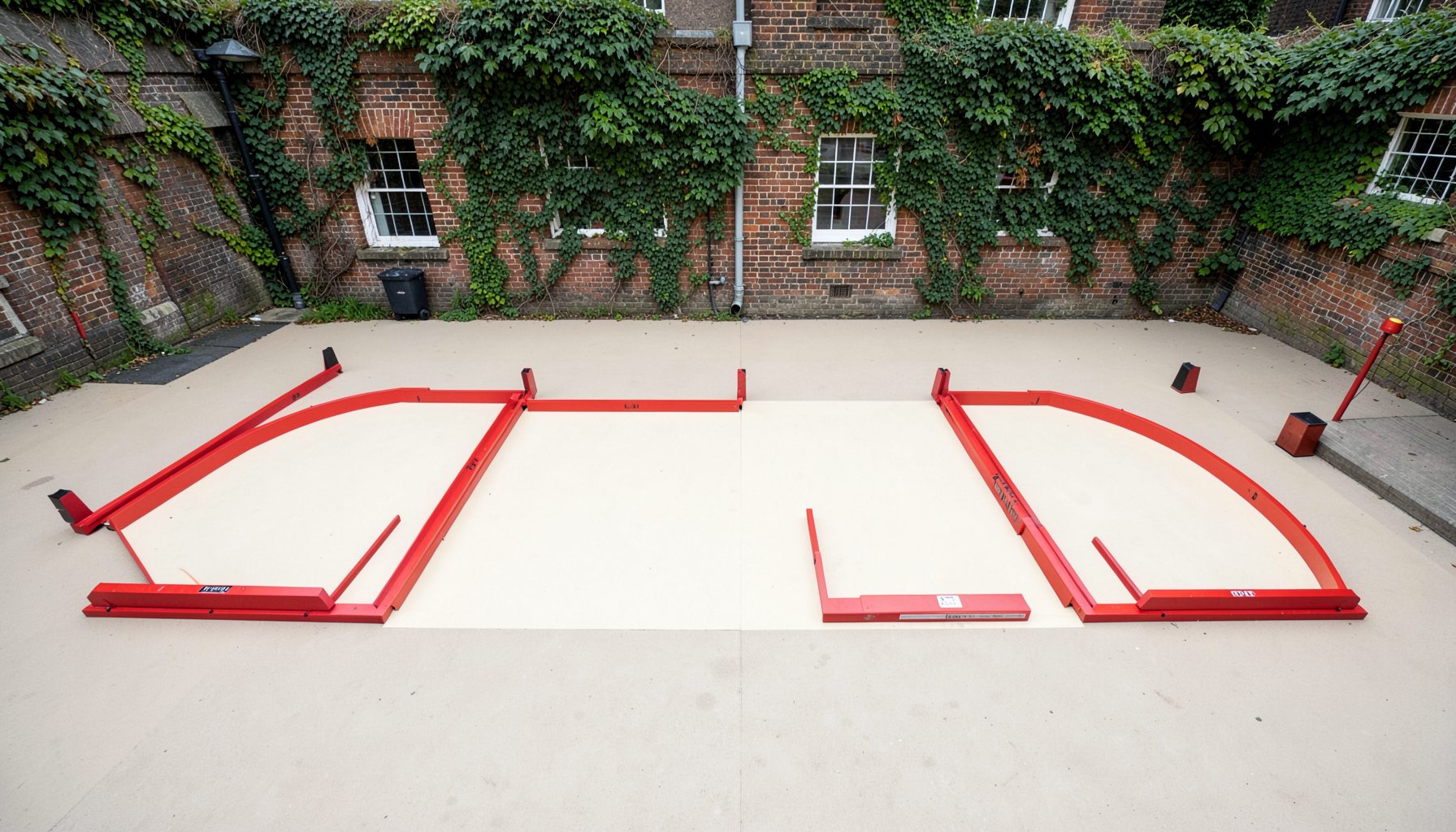
A ball should also suit the court. Some courts produce a livelier rebound than others, and temperature can change how the ball feels. A ball that behaves well in a cool indoor court may seem quicker during a warm session, so local testing is more useful than relying on a product description alone.
Start with control rather than speed
Beginners generally benefit from a ball that is comfortable to catch, strike and track. The ideal training ball should let you practise a stable stance, a compact swing and accurate placement without every mistake becoming a frantic chase. A slightly less lively ball can give a new player time to understand angles and court positioning.
If you are introducing Rugby Fives at a school, community centre or social club, keep several suitable balls available rather than handing a novice the same hard match ball used by advanced players. A gradual pathway helps people enjoy their first session and return for another. The Association’s guidance on beginner open day advice can also help organisers plan equipment and activities for newcomers.
Beginners should avoid choosing a ball simply because it feels heavy or fast. Those characteristics can appear impressive but often encourage rushed swings and poor defensive habits. Look for a predictable response and a surface that gives enough grip for controlled contact.
Move to a match ball as skills develop
Intermediate players can usually handle a firmer, faster ball, particularly after they have developed consistent returns and can place the ball deliberately. At this stage, a standard match ball becomes valuable because it exposes weaknesses in timing, footwork and anticipation. Practise with it regularly rather than saving it only for competition day.
Advanced players should prioritise consistency from ball to ball. A competition player needs equipment that responds in a repeatable way during serves, attacking volleys and defensive exchanges. A lively ball can support an aggressive style, but only if the player can control its pace and keep shots close to the intended target.
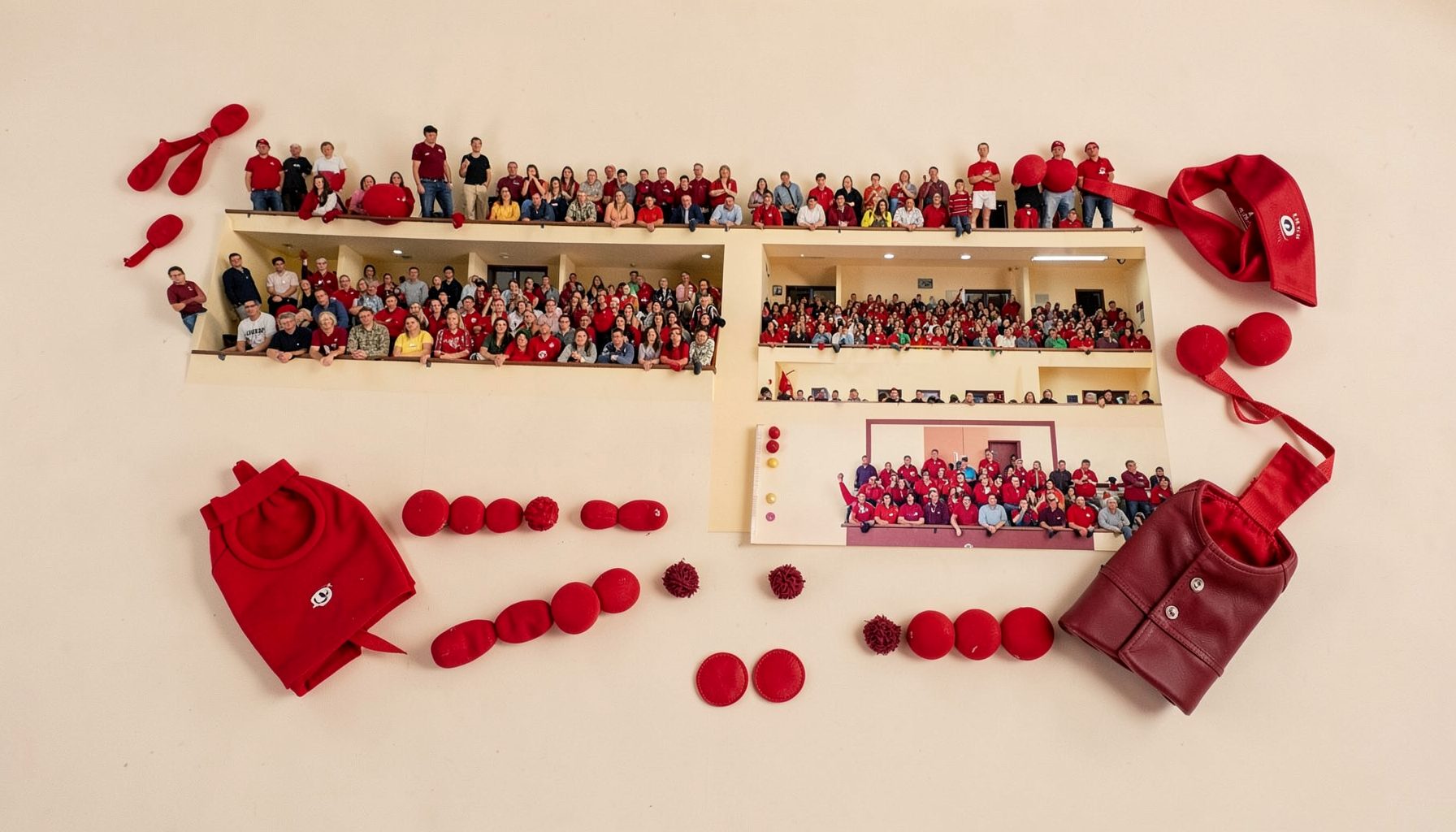
Clubs can mark training balls clearly so that a faster competition ball is not confused with equipment intended for beginners. This is particularly useful when junior sessions, social games and graded competitions share the same court. It also helps coaches prescribe an appropriate progression instead of asking every player to use identical equipment.
Check weight, firmness and rebound
Weight is important, but it should not be considered in isolation. A ball that feels tiring after a short practice may be too demanding for a junior player or someone returning after a long break. Excessive force can lead to late contact, awkward wrist positions and reduced accuracy. Comfort during repeated rallies is a practical sign that the ball is within your current range.
Firmness affects rebound speed and the amount of time available to react. Before buying, bounce the ball on a hard surface if possible and compare it with the ball used by your club. Look for an even response rather than a dramatic bounce. Any dead spot, soft section or irregular flight is a reason to reject it.
Grip matters just as much. A smooth ball may become difficult to control when hands are damp, while an overly rough covering can feel uncomfortable during long sessions. In humid Brisbane weather, keep balls in a ventilated bag and dry them after use. Do not leave leather equipment in a hot car, where heat can damage its shape and surface.
Buy for Australian access and use
The Australian market may offer fewer Rugby Fives options than the United Kingdom, so check delivery times, return policies and total postage before ordering. Clubs in Melbourne, Sydney and Canberra may be able to combine orders through a school network or association contact. Buying several balls together can reduce freight costs and ensure that a group trains with consistent equipment.
Ask whether the ball is intended for practice, junior development or sanctioned competition. Product names are not always enough, particularly when suppliers also sell equipment for other wall-based or court sports. A club coach can confirm whether the size, finish and playing characteristics match local fixtures and championship expectations.
Storage is part of buying wisely. Keep balls away from direct sunlight, damp equipment rooms and sharp objects in a crowded kit bag. If your club operates in a coastal area, wipe away moisture and salt residue after use. A simple record of purchase date and condition can help a committee replace worn balls before they affect coaching or competition.
Test before committing to a full set
The most reliable selection method is a short practical test. Hit a few controlled serves, make defensive returns and attempt shots at different heights. Notice whether the ball travels predictably, remains comfortable in your hand and gives you enough time to prepare. If possible, test it on the court where you normally train rather than on a driveway or general indoor floor.
Ask a coach or experienced player to watch your technique with the ball. They may see that you are gripping too tightly, swinging too hard or reacting late because the equipment is too lively. A useful ball should support sound movement and decision-making, not force you to compensate for an unsuitable rebound.
Once you find a ball that works, buy a small number first. Use them through several sessions and compare their condition, grip and flight. If they remain consistent, expand the set for your school, club or regular group. This approach protects your budget while building a reliable supply of Rugby Fives equipment.
Talk with your local club, coach or the Rugby Fives Association before your next purchase, and arrange a trial session with players at different stages. The right ball can make learning clearer, training more purposeful and competition more consistent. Use that first session to compare feel and rebound, then choose equipment that will support your game for the season ahead.