



Volunteering as a Rugby Fives Coach in Your Community
Rugby Fives is a distinctive hand-ball sport with a loyal following that stretches well beyond its traditional English roots. In Australia, the game has carved out small but dedicated pockets in cities such as Sydney, Melbourne, and Brisbane, where enthusiastic players gather on available courts to keep the tradition alive. Volunteering as a coach is one of the most meaningful ways to support these communities while sharing the unique rhythm and tactics of the sport with new players.
Whether you are a former player returning to the court or someone who only recently discovered Rugby Fives, structured pathways exist to help you begin coaching. The Rugby Fives Association supports a network of volunteers who run sessions, officiate fixtures, and mentor beginners across all age groups. This guide outlines the practical steps, knowledge requirements, and local opportunities available for anyone considering stepping into a volunteer coaching role in Australia.
Understanding Rugby Fives and Its Coaching Demands
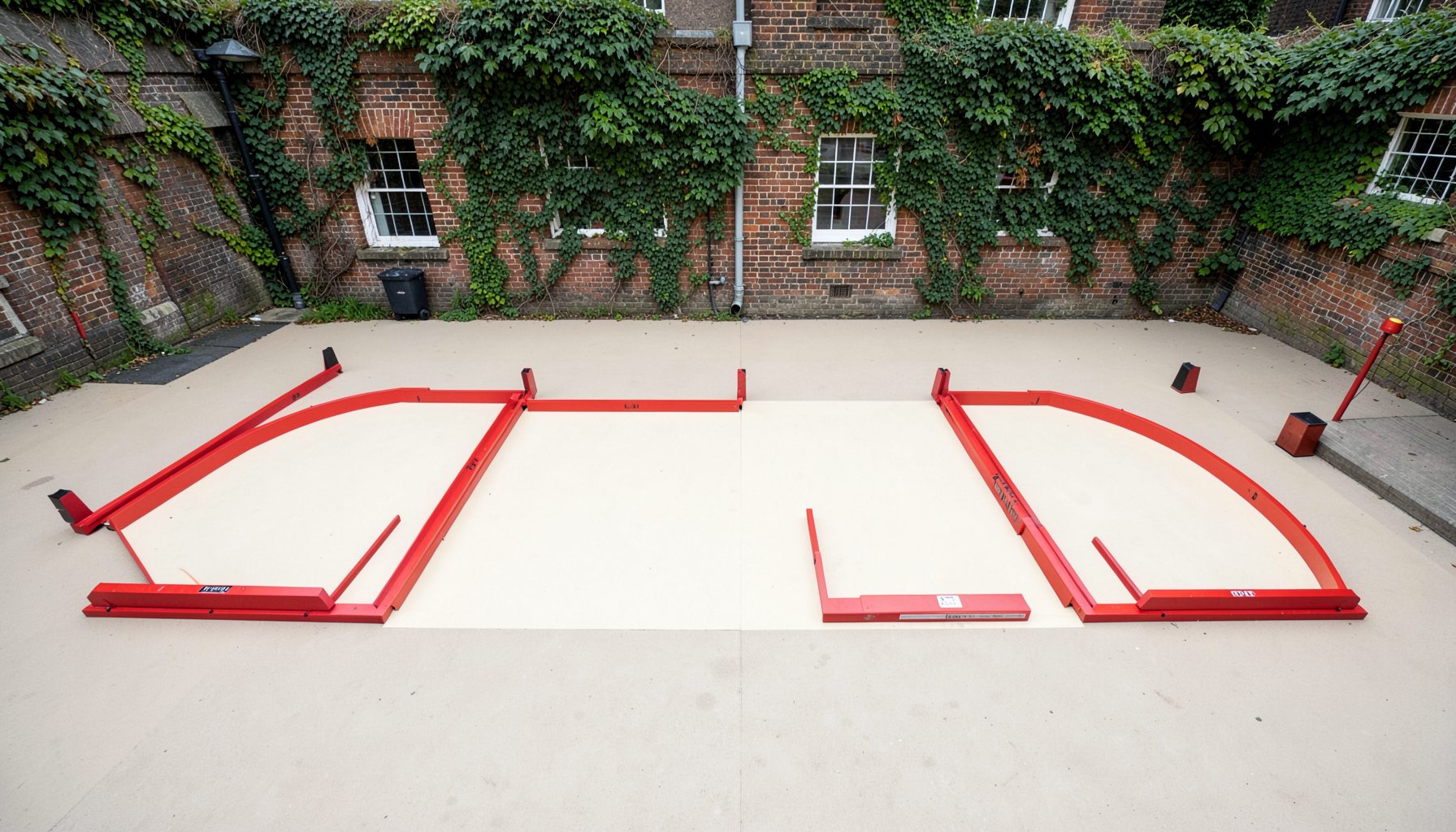
Rugby Fives is played on a court with angled side walls and a prominent buttress that shapes every shot and movement. Unlike racquet sports, players use their bare hands to strike the ball, which demands precise coordination and an appreciation for how the court's geometry influences play. A capable coach helps players read these angles, develop a reliable serve, and build the stamina required for extended rallies. In Australia, where the sport is still establishing itself, coaches frequently serve as both instructors and ambassadors, introducing the game to people who may never have seen a Fives court before.
The physical and technical demands of the sport mean that coaching requires patience paired with a clear grasp of fundamentals. Many beginners struggle initially with the absence of a racket, so demonstrations, shadow drills, and gradual exposure to ball contact form the foundation of early sessions. Drawing on Australia's relaxed club culture, volunteers often blend structured drills with a welcoming social atmosphere, making the experience enjoyable rather than intimidating.
Gaining Knowledge and Basic Qualifications
Before stepping onto the court as an instructor, prospective coaches should invest time in learning the rules, techniques, and traditions of Rugby Fives. The association publishes resources covering everything from court dimensions to serving regulations, and newcomers are encouraged to watch recorded matches or attend local fixtures to observe experienced players. In Sydney, several former players run informal training afternoons where aspiring coaches can shadow sessions and ask questions in a low-pressure environment.
Formal coaching accreditation is not always mandatory at the grassroots level, though it does add credibility and effectiveness. Many Australian sports organisations offer generic coaching courses through bodies such as Sport Australia, covering child safety, inclusive practice, and basic physiology. Combining this sport-neutral training with specific knowledge gained from mentors or the association's own materials creates a well-rounded foundation. Volunteers should also consider completing first-aid training, as sessions often involve physical movement and occasional falls near the court walls.
Connecting With Clubs and Schools
Australia's sporting landscape is built on the club system, and Rugby Fives fits within this model once you know where to look. In larger cities like Melbourne and Brisbane, community sports hubs occasionally host Fives courts or partner with the association to run introductory programs. Reaching out to local universities is another practical step, as student unions sometimes maintain older courts or have the infrastructure to host exhibition matches. Coaches who build relationships with these institutions often find a steady stream of curious newcomers.
Schools represent one of the most fertile grounds for coaching volunteers. Many Australian secondary schools already operate strong sports programs and may welcome an external coach to introduce a less common activity. Approaching head teachers or sports coordinators with a short proposal, including safety information and equipment requirements, can open doors. In Adelaide, a small group of volunteers has successfully integrated Fives into after-school programs by aligning sessions with existing athletics blocks, showing how the sport can complement rather than compete with established activities.
Planning Effective Training Sessions
A well-structured coaching session typically begins with a warm-up focused on hand strength, agility, and spatial awareness, followed by a technical segment and finally small-sided games. For beginners, dedicating the first ten minutes to ball-familiarity exercises helps build confidence before introducing the full serve. Coaches should plan drills that gradually increase in complexity, allowing players to master one element before moving to the next. In community settings across Perth and Hobart, volunteers have found that mixing individual challenges with pair work keeps energy high and accommodates different skill levels.
When teaching the fundamentals of serving, coaches can draw on a basic serves guide that breaks down grip, stance, and follow-through in accessible language. Sessions should always finish with a cool-down and a brief discussion, giving players a chance to ask questions and reflect on what they learned. Keeping notes on each player's progress helps coaches tailor future sessions and identify those ready to advance to competitive play.
Welcoming Newcomers and Building Confidence
The social fabric of Australian sport places enormous value on mateship and inclusion, qualities that align naturally with the ethos of Rugby Fives coaching. Volunteers should aim to create an environment where players of all backgrounds feel welcome, regardless of their previous experience with hand-ball sports. This means being mindful of language, avoiding jargon that might alienate newcomers, and actively encouraging quieter participants to share the court. Simple gestures like rotating partners regularly or pausing for water breaks can make a noticeable difference in group cohesion.
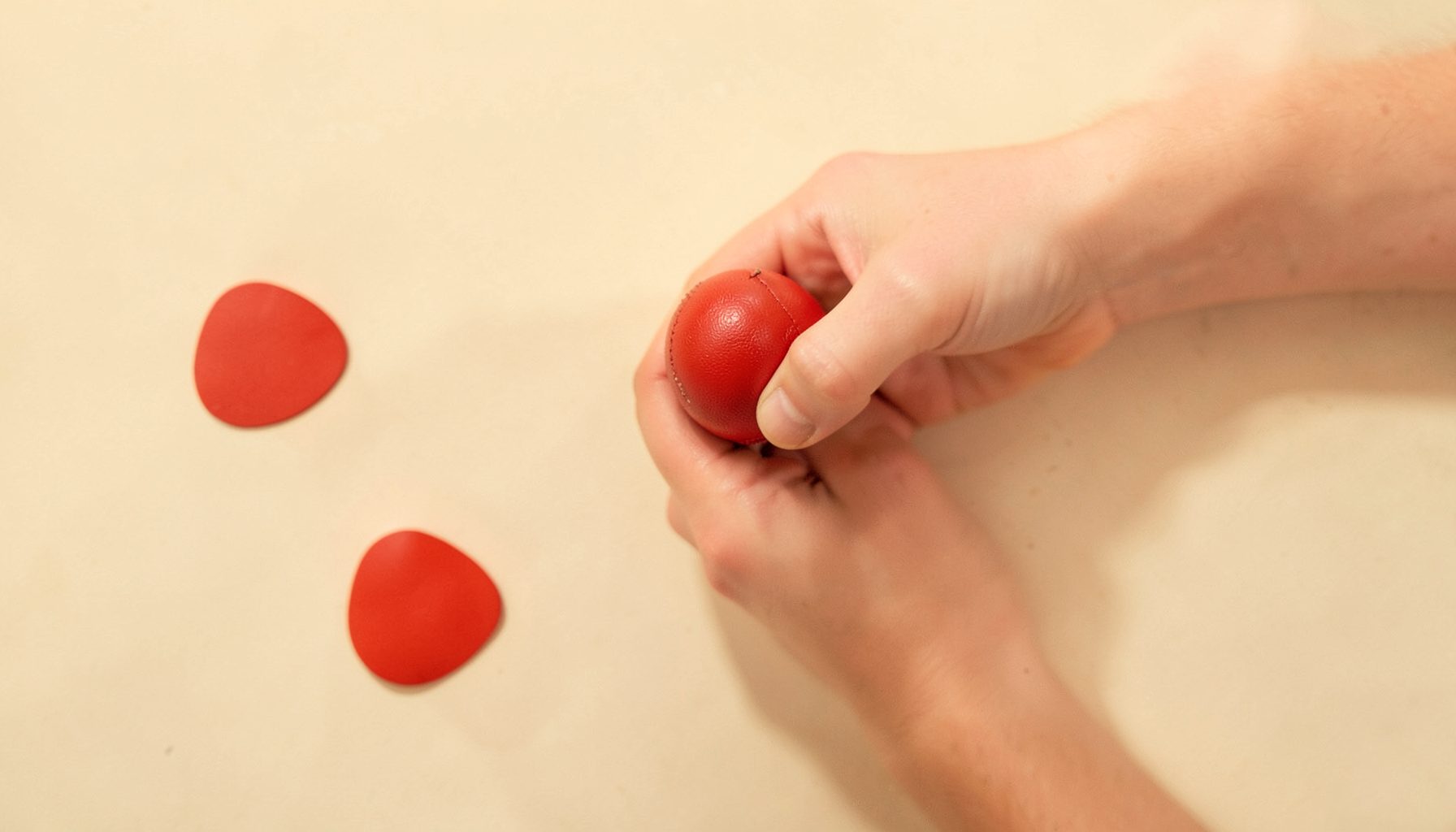
Adapting sessions for different ages and abilities is another hallmark of effective coaching. Junior players may benefit from lighter balls and smaller courts, while older adults might appreciate longer rest intervals and modified drills that reduce joint strain. In regional areas where access to specialist equipment is limited, coaches often improvise with softer balls or foam alternatives to keep sessions safe and enjoyable. By prioritising enjoyment alongside technical development, volunteers help ensure that participants return week after week and eventually bring friends along.
Maintaining Momentum and Community Growth
Sustaining interest beyond the initial introduction is one of the biggest challenges for any volunteer coach. Establishing a regular schedule, communicating consistently with players, and gradually introducing competitive elements can transform casual sessions into a thriving club culture. The association maintains a fixtures list and rankings system that helps motivated players measure their progress and connect with others across the country. Volunteers who help organise local leagues or internal tournaments often see participation grow rapidly, as players enjoy the social and competitive rewards of regular fixtures.
Community growth also depends on volunteers supporting one another. Experienced coaches can mentor newcomers, share session plans, and pool resources such as training balls or court time. Social media groups and regional messaging chats have become valuable tools for Australian coaches to exchange ideas and arrange friendly matches. By building these networks, volunteers reduce the sense of isolation that sometimes comes with coaching a niche sport, and they lay the groundwork for the next generation of players and coaches to carry the game forward.
Different volunteer pathways suit different circumstances, and the table below outlines the main options available across Australia.
| Pathway | Typical Setting | Time Commitment | Ideal For |
|---|---|---|---|
| School Programs | Secondary school sports blocks | Weekly during term time | Building grassroots interest among teenagers |
| Club Sessions | Community sports hubs or shared courts | Weekly evenings or weekends | Developing regular players for fixtures |
| Community Outreach | Public events, festivals, pop-up sessions | Flexible, project-based | Raising awareness and attracting adults |
| University Taster Sessions | Campus sports facilities | Short intensive blocks | Engaging students and young adults |
Each pathway offers different rewards, and many volunteers combine two or more approaches to maximise their impact throughout the year. School programs create long-term pipelines of young players, while club sessions provide consistent training environments for those wanting to compete. Community outreach events work well for volunteers with limited weekly availability, and university sessions tap into energetic student populations eager to try something new. Choosing a pathway that aligns with your schedule, interests, and local opportunities will make the volunteering experience sustainable and rewarding.
If you are ready to begin your coaching journey, reach out to the Rugby Fives Association to access coaching resources, connect with local volunteers, and find courts in your area. Visit the association's website, attend an introductory event near you, or contact a nearby club to offer your time. The sport thrives because people like you choose to give back, and your involvement will help ensure Rugby Fives continues to grow across Australia for years to come.