



Rugby Fives And Eton Fives: What Sets Them Apart
Rugby Fives and Eton Fives are closely related British wall-and-ball sports, yet they offer distinctly different experiences. Both are played with the hands, both reward quick reactions and clever angles, and both have strong links with schools and traditional court buildings. For newcomers in Australia, the games can look similar at first glance, much as different codes of football may appear interchangeable until the rules start to matter.
The main differences concern the court, the number of players, the ball, and the way rallies develop. Rugby Fives is generally played on a four-wall court and can be enjoyed in singles or doubles. Eton Fives is most closely associated with doubles and a three-sided court shaped by prominent buttresses, which create unusual rebounds and tactical problems.
That distinction matters when choosing a sport, planning a school programme or looking for a suitable court in Australia. A venue in Sydney, Melbourne or Brisbane may have squash courts, but that does not automatically make it appropriate for either code. The markings, wall layout and playing dimensions need to be checked carefully.
| Feature | Rugby Fives | Eton Fives |
|---|---|---|
| Court | Enclosed four-wall court | Three-sided court with distinctive buttresses |
| Common format | Singles and doubles | Traditionally doubles |
| Main tactical feature | Wall angles, height and pace | Buttress play and complex rebounds |
| Ball | Small hand-played ball, usually relatively lively | Softer ball suited to close-range play |
| Typical setting | Schools, clubs and purpose-built courts | Historic school courts and specialist venues |
| Scoring | Commonly played to a target score under current rules | Traditional games use a different scoring structure and format |
Court design changes the game
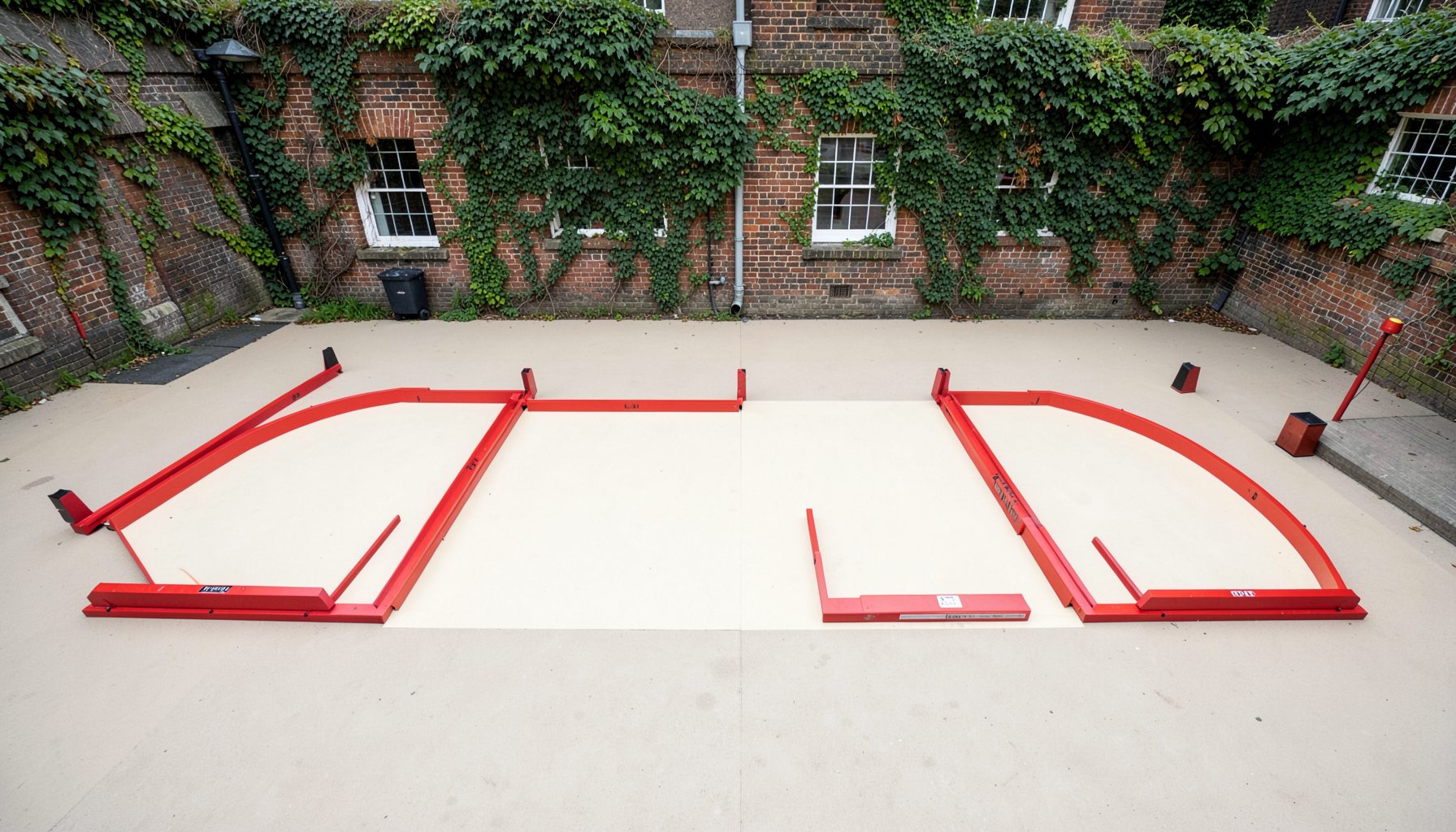
A Rugby Fives court is enclosed by four walls. Players can use the front wall and side walls to create angles, while the back wall keeps the rally in play. This gives the sport some visual similarities to squash, although there is no racket and the tactical rhythm is different. The ball may be struck directly or played off a wall, so positioning and anticipation are essential.
The Eton Fives court has a much more recognisable architectural character. It normally has three walls and two buttresses at the front, producing channels and deflections that dominate the game. Players learn to use the buttress as a target, a shield and a source of awkward rebounds. The open front of the court also gives Eton Fives a different feel from the enclosed Rugby Fives court.
For an Australian audience, the easiest comparison is with the difference between playing on a standard indoor court and playing in a venue whose architecture is part of the rules. A converted community facility in Adelaide or Perth might support training for handball skills, but it cannot reproduce the Eton court’s buttresses without substantial construction.
Singles and doubles create different habits
Rugby Fives supports both singles and doubles. Singles place a heavy demand on fitness, recovery speed and the ability to cover space without leaving an easy angle. Doubles bring communication into the rally, with partners needing to understand who will take a ball, when to rotate and how to protect the most dangerous areas.
Eton Fives is traditionally a doubles game. Partnership is therefore central rather than optional. A pair must coordinate movement around the buttresses and avoid occupying the same line of attack. Good Eton players appear to move economically because they anticipate where the ball will go before it is struck.
This difference can influence how the sports are introduced in Australian schools. Rugby Fives can be used for individual skill development as well as pair competition, while Eton Fives is naturally suited to cooperative drills and team-based sessions. A teacher in Canberra or regional New South Wales may also find that doubles make it easier to involve more students in structured rotations.
The ball and hand technique
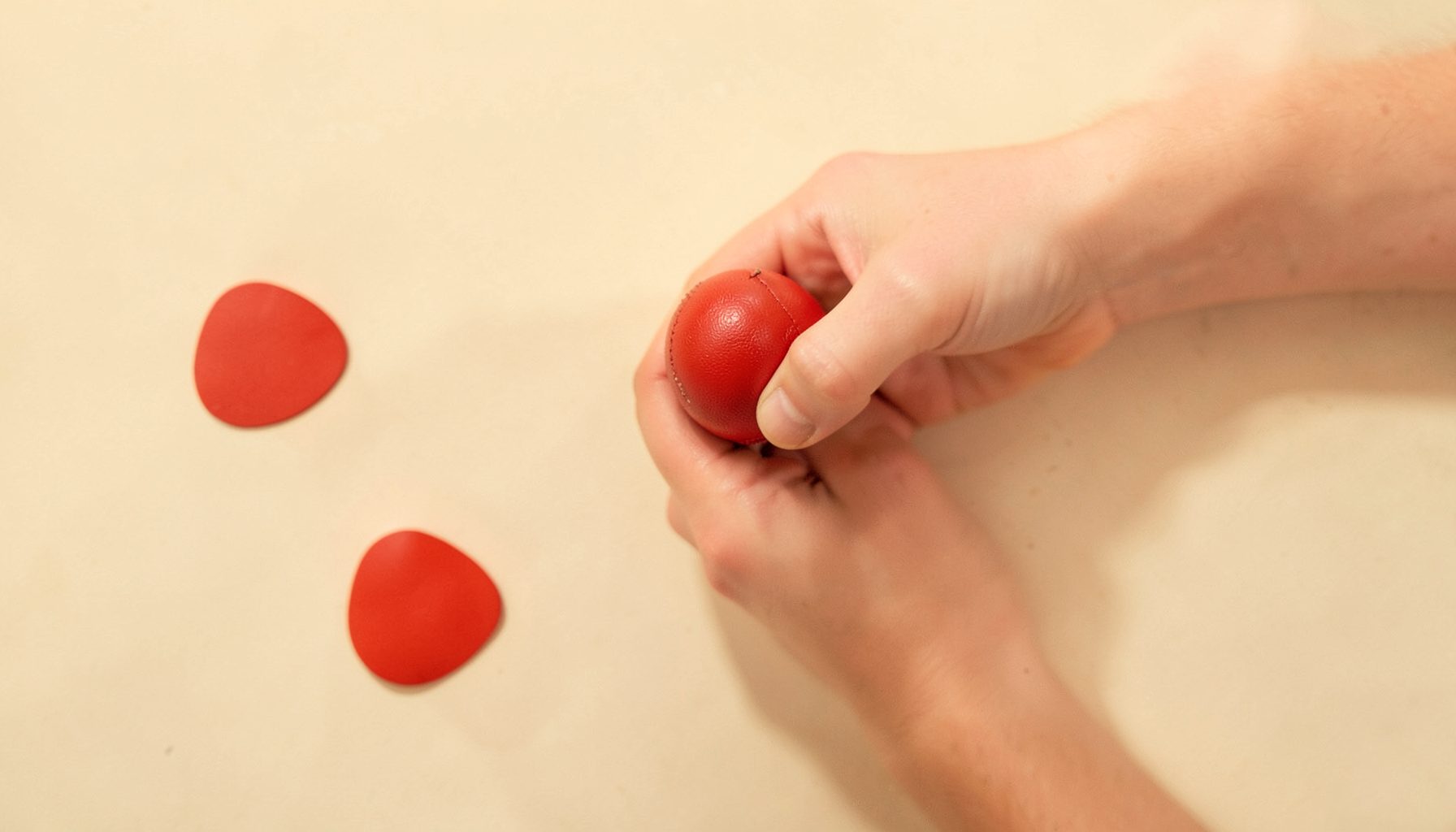
Neither sport uses a racket. Players strike the ball with their hands, making timing, hand position and tolerance for impact important parts of the learning process. Beginners often focus on hitting hard, but control is usually more valuable than raw pace. A well-placed shot can force an opponent into a poor position before they have time to attack.
Rugby Fives and Eton Fives use balls with different playing characteristics, and the court construction affects how those characteristics are experienced. Rugby Fives is often associated with a livelier, harder-feeling ball and longer exchanges across the four walls. Eton Fives uses a softer ball, allowing close control around the buttresses and encouraging a distinctive short-range style.
Coaches should introduce hand protection, warm-ups and gradual striking practice, particularly in hot Australian conditions. On a warm court in Queensland, a ball can feel faster and repeated contact can become uncomfortable. Good coaching makes the sport safer while preserving the quick, satisfying contact that attracts new players.
Rules, scoring and rally strategy
Rugby Fives rewards players who can build pressure through height, width and changes of pace. A shot that reaches the back of the court may be safer, while a low angle can create an immediate attacking opportunity. Players must also read the rebound quickly because the ball can return from several walls and change direction faster than expected.
Eton Fives places greater emphasis on the court’s special features. The buttresses make apparently defensive shots unpredictable, and players often seek a position that limits the opponent’s access to the most useful rebound. The game can feel compact and intense, with a small movement creating a large tactical consequence.
Scoring systems and competition regulations should always be checked against the rules used by the relevant association or event. Local social games may follow house conventions, while formal competitions use published regulations. This is especially relevant when an Australian school or club adapts a format for a short lunchtime session or a multi-court festival.
History and sporting culture
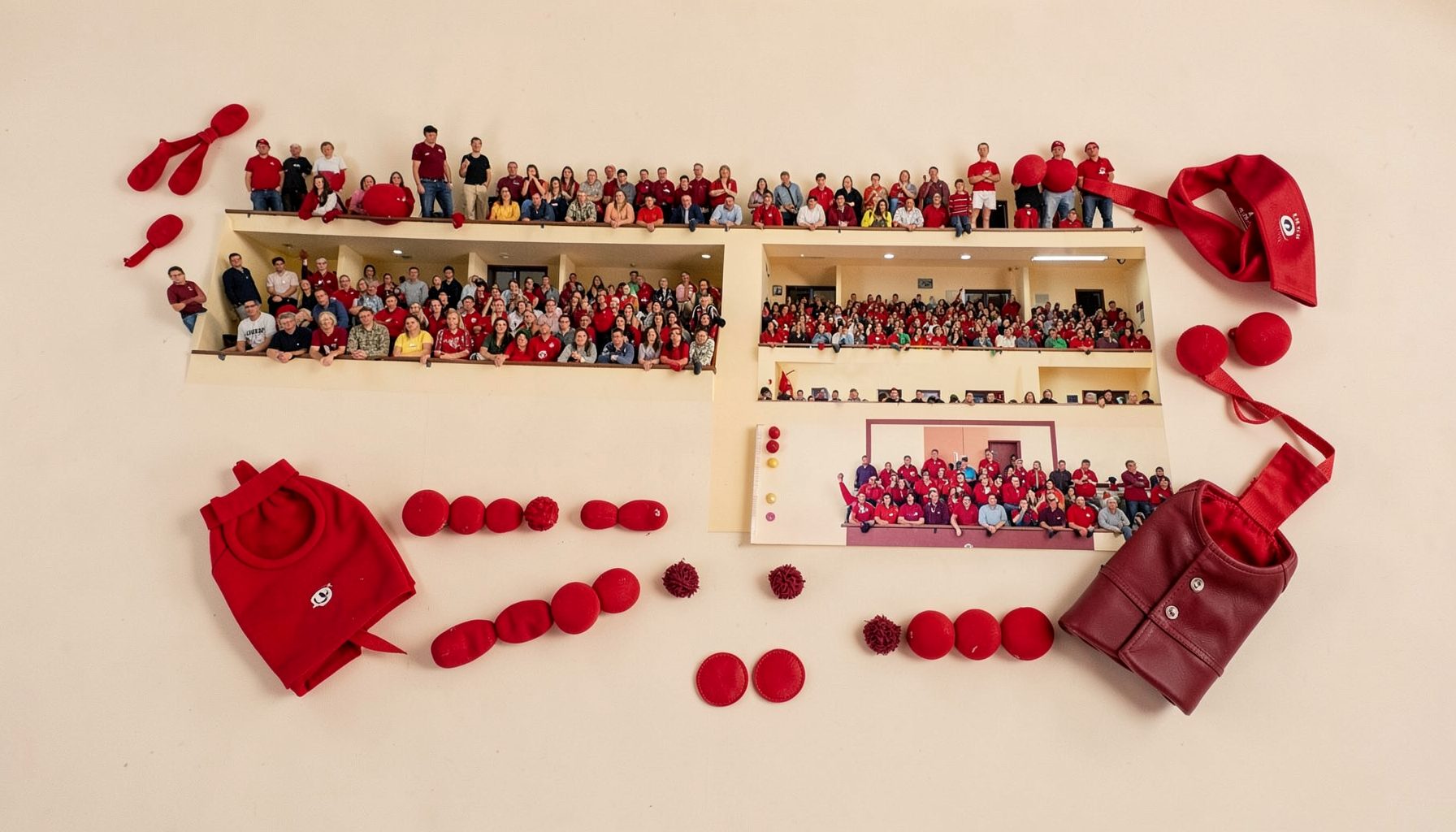
Rugby Fives developed through schools and clubs connected with rugby traditions, then grew into a sport with its own competitions, rankings and specialist communities. Its history is reflected in long-running championships and in the work of volunteers who maintain fixtures, results and records. The championship history shows how organised competition has helped preserve the sport and give players a pathway beyond casual games.
Eton Fives has a similarly strong school tradition, with its identity closely tied to Eton College and other historic institutions. Its courts are often valued as part of a school’s heritage as much as its sporting facilities. That background can make access more limited, while Rugby Fives has a somewhat broader potential for club development and community participation.
In Australia, heritage and access can pull in different directions. A school in Melbourne may have the resources to build a specialist court, while a smaller school near Hobart may depend on shared facilities, grants and volunteer coaching. A national governing body can help clubs make sensible choices about equipment, rules, training and long-term participation.
Choosing the right code in Australia
Rugby Fives may be the more practical starting point where a four-wall court can be built or adapted. Its singles and doubles formats offer flexibility, and the game can connect with existing school sport programmes without requiring every participant to learn a specialist architectural layout. It can also sit comfortably alongside squash, racquetball and other indoor activities, provided the walls and dimensions are suitable.
Eton Fives is a compelling choice for schools or clubs able to create the correct court and sustain a regular doubles community. Its unusual playing environment gives it a strong identity, which can appeal to students looking for something different from cricket, AFL, rugby union or tennis. In Sydney’s independent-school sector or among heritage-focused sporting institutions, that distinctive character may be a genuine advantage.
Whichever code is selected, the best development model combines introductory coaching, regular social fixtures and opportunities to compete. Australian clubs can use local tournaments, school visits and community open days to explain the differences clearly. Calling the activity “handball” alone may cause confusion, so organisers should describe the court, ball and scoring format from the start.
Both sports reward curiosity, discipline and fast decision-making. Rugby Fives offers the broader four-wall challenge, while Eton Fives delivers a specialised doubles game shaped by buttresses and tradition. Exploring each code through coaching sessions, demonstrations or a club fixture is the most reliable way to understand which one suits a particular school or community.
The Rugby Fives Association supports the sport through competitions, coaching, schools work, records and inclusive participation. Australian players, teachers, clubs and volunteers can connect with that wider community, learn the rules and help establish new opportunities for hand-played wall sports across the country. Find a local pathway, arrange an introductory session and give Rugby Fives a place in your next school or community sporting programme.